| Key Points | Details to Remember |
|---|---|
| 🥜 Main Sources | Nuts, seeds, legumes |
| 💪 Muscle Role | Support for protein synthesis |
| 🌱 Health Benefits | Fiber and antioxidants |
| 🥤 Ideal Timing | 30-60 min after training |
| 🍲 Quick Recipes | Ready in under 10 min |
| 📋 Planning | Store a convenient portion |
Going through sets and repetitions is already no small feat, but choosing the right post-fitness snack can make all the difference. Rather than relying on animal proteins, exploring plant-based alternatives offers a rich flavor palette and a lower environmental impact. In this article, we review tasty, practical options adapted to the crucial phase of muscle recovery.
Sommaire
Why prioritize plant-based proteins after exercise?
Bioavailability and muscle recovery
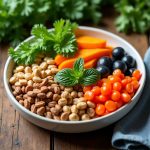
One might think that only animal proteins provide all essential amino acids, but by wisely combining legumes and cereals, a complete profile is obtained. Chickpeas and quinoa, for example, pair to offer a balanced spectrum, which facilitates the repair of fibers stressed during the session. In practice, pairing hummus with whole grain bread or a few spoonfuls of cooked quinoa in soy yogurt ensures continuous nutrient absorption.
Sustainable alternatives and digestibility
Nuts, almonds, and seeds (pumpkin, sunflower) provide not only proteins but also unsaturated fatty acids beneficial for the heart. Their richness in fiber often comes with a better feeling of satiety, while avoiding glycemic spikes. Concretely, a mix of roasted seeds retains its nutritional power longer than a portion of isolated protein, and is digested without overload.
Top 5 Plant-Based Protein Snacks
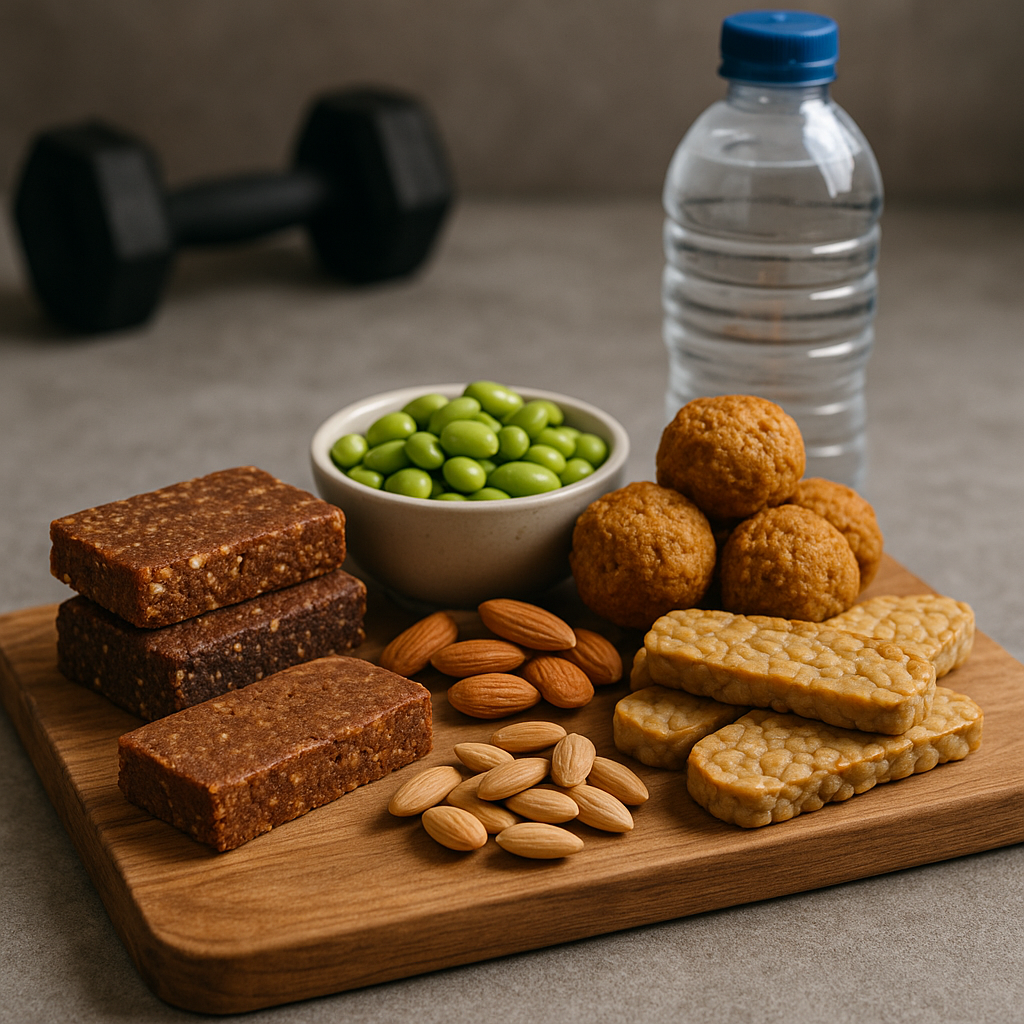
- Homemade Nut and Seed Bars: mix almonds, chia seeds, oats, date puree, and a drizzle of agave syrup. Press into a mold, let rest, then cut. You get a snack dense in protein, complex carbohydrates, and quality fats.
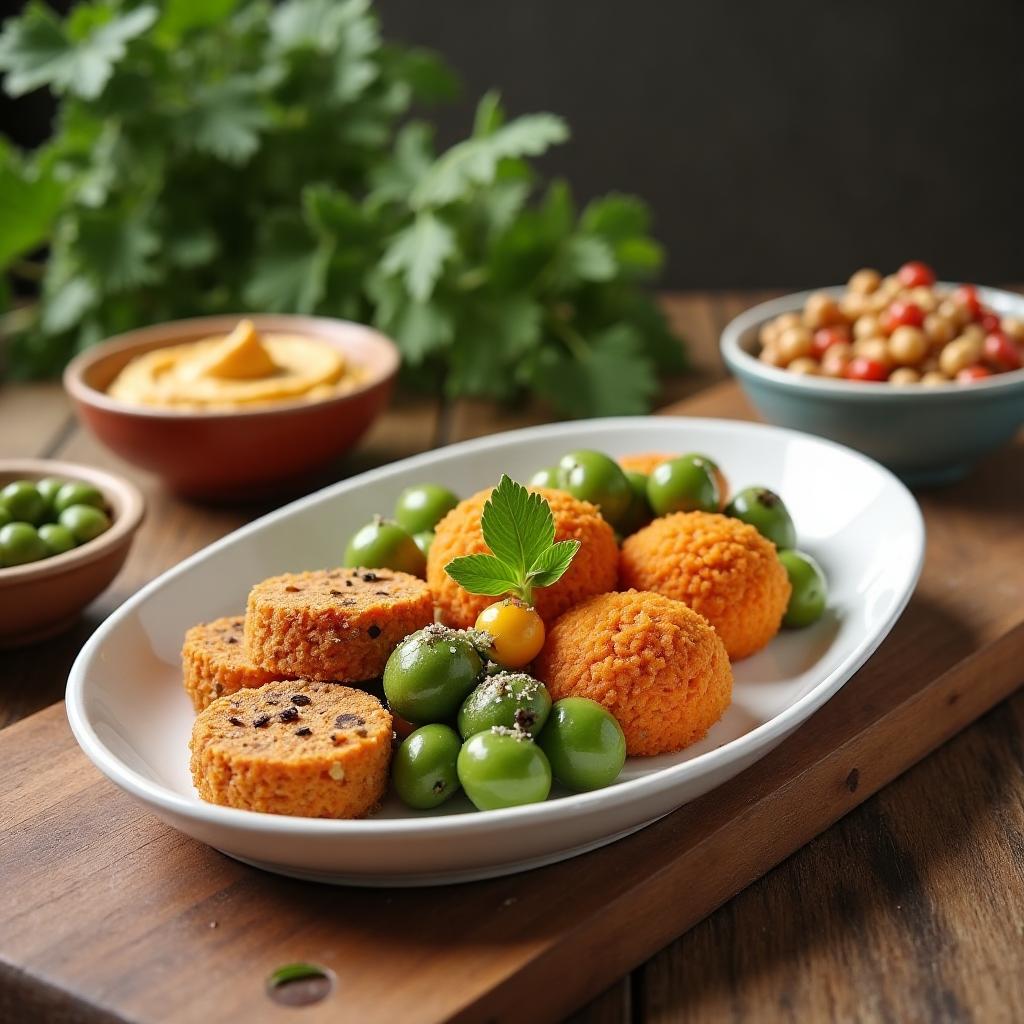
- Revisited Hummus: blend chickpeas, tahini, lemon juice, and garlic, then incorporate pea protein powder to boost the profile. Serve with carrot and celery sticks for fiber and mineral intake.
- Soy Yogurt with Raw Cocoa: choose a calcium-enriched yogurt, add a spoonful of plant protein powder, a pinch of ground flax seeds, and some cocoa nibs. The combo guarantees a quick and tasty intake.
- Oat-Protein Energy Balls: combine oats, almond puree, maple syrup, hemp seeds, and pea protein. Roll the dough into 30 g balls for energy released over several hours.
- Post-Workout Green Smoothie: blend spinach, plant milk, banana, and a portion of spirulina or hemp protein. Chlorophyll promotes detoxification while plant proteins initiate muscle repair.
Tips to Optimize Your Snack
Timing matters almost as much as composition. Aim for protein intake within 30 to 60 minutes after training: the metabolic window is then more permeable. At the same time, think about hydration, as sipping a fiber-rich shake without drinking enough can slow gastric emptying. Finally, weigh your portions: 20 to 25 grams of protein per snack is enough to stimulate protein synthesis without overloading your digestive system.
Quick Recipes for Homemade Preparation
Delicious Energy Balls
In a food processor, pulse 200 g of oats, 100 g of pitted dates, 2 tablespoons of peanut butter, and 30 g of plant protein (pea or soy). Adjust the texture by adding a little water or plant milk. Form balls, roll them in coconut flakes, and store in the fridge. In less than 10 minutes, you get a nutrient-dense snack.
Protein Toast with Avocado and Legumes
On a slice of whole grain bread, mash the flesh of half an avocado, top with a spicy chickpea mix (paprika, cumin, salt), and sprinkle with pumpkin seeds. A few drops of lemon juice enhance the whole. This toast combines healthy fats, fiber, and protein for an ideal combination after intense effort.
Integrating the Snack into an Overall Diet
An isolated snack is not enough: it must fit into a coherent eating rhythm. When planning your balanced meals, make sure to distribute proteins, complex carbohydrates, and fats throughout the day. Also consider varying plant sources: peas, hemp, quinoa, tofu, and tempeh alternate to avoid monotony and fill potential deficiencies.
FAQ
What is the ideal protein intake for a post-fitness snack?
Generally, 20 to 25 grams of protein is enough to stimulate recovery without burdening digestion. Adjust according to your weight, session intensity, and goals.
Can protein shakes be replaced by a solid snack?
Absolutely. Solid snacks often offer better digestive comfort, especially when they contain fiber and healthy fats. They also promote long-term satiety.
How to store my homemade snacks?
Store them in the refrigerator in an airtight container. Energy balls and bars last 4 to 5 days without losing their texture. You can also freeze certain preparations to extend their shelf life.