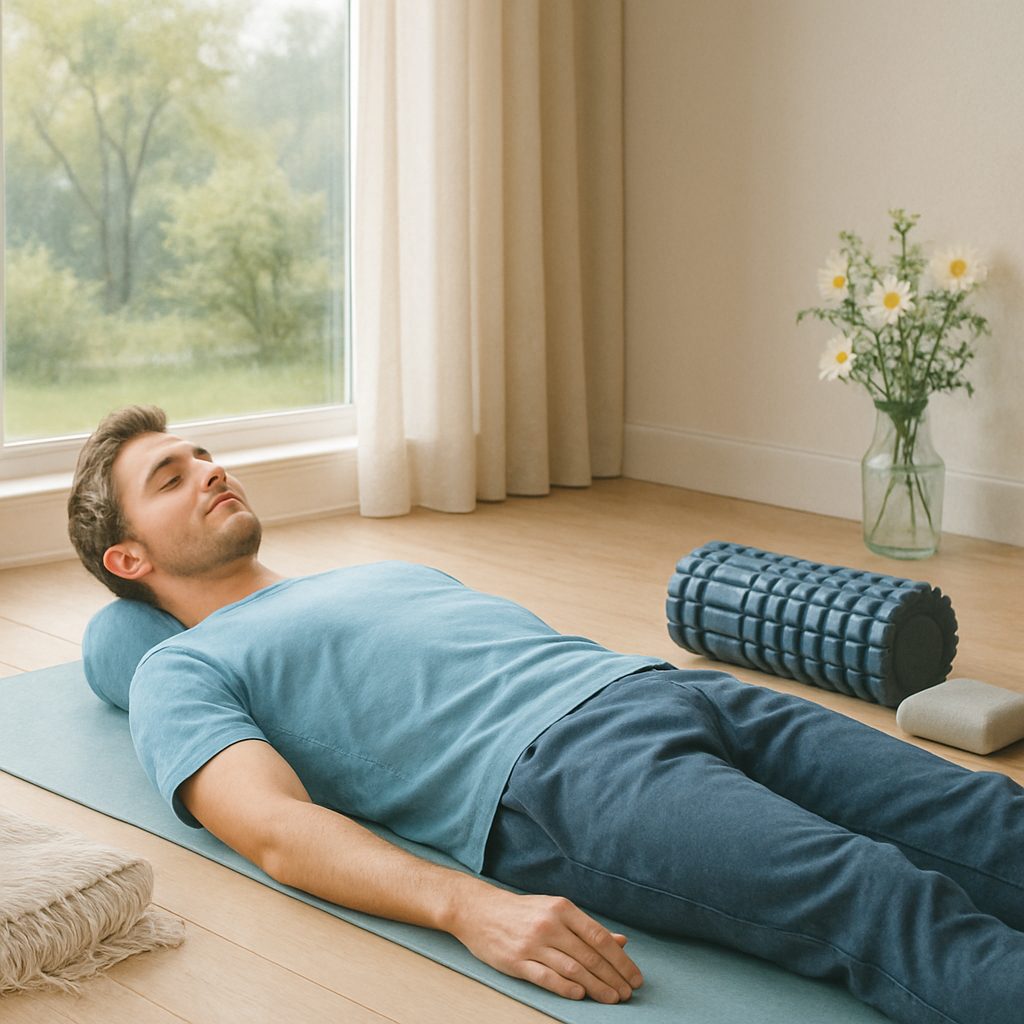
| Key Points | Details to Remember |
|---|---|
| 🩹 Definition | Pain felt in the lower back region, varying according to the cause. |
| 🏃 Activity | Moderate movement promotes faster healing. |
| 🧘 Stretching | Flexibility improved through targeted lower back exercises. |
| ⚕️ Treatments | Physiotherapy and manual therapies to release tension. |
| 💡 Prevention | Posture and muscle strengthening to avoid relapses. |
Lower back pain, felt as a pulling or sharp pain in the lower back, affects nearly 80% of the population at some point. Depending on the intensity and duration, it can range from a temporary discomfort to a serious disability. Faced with this daily experience, how can one find the balance between rest, movement, and care? This article explores proven approaches to soothe pain, strengthen the back, and limit recurrences.
Sommaire
Understanding Lower Back Pain and Its Origins
Variations of Lower Back Pain
When talking about lower back pain, it is important to distinguish the acute episode, generally temporary and linked to a wrong movement, from the chronic form that persists beyond three months. In the first case, the pain is often localized and fades quickly. In the second, the discomfort may radiate to the thighs or increase when sitting, impacting daily life.
Main Causes
The triggers are varied: sudden overload (carrying a load that is too heavy), poor postural habits, sedentary lifestyle, or muscle weakness. Psychological factors sometimes also come into play, since stress and anxiety promote muscle tension. Not to mention that the old saying “back pain is because you are getting old” is exaggerated: a well-maintained back remains flexible even after 60 years of age.
Initial Relief Measures at Home
Readapting to Movement
Instead of staying glued to the couch, a gradual reintroduction of gentle activities often proves more beneficial. Walking with small steps, practicing some trunk rotation movements at hip height, or adopting the cat/cow position in yoga encourage the relaxation of the lower back muscles.
Heat, Cold, and Relief Positions
- Cold compresses to reduce recent inflammation.
- Heating patches or warm baths to relax muscle fibers.
- Slightly elevating the legs while lying down to unload the spine.
Exercises and stretches to strengthen the lower back
Targeted stretches
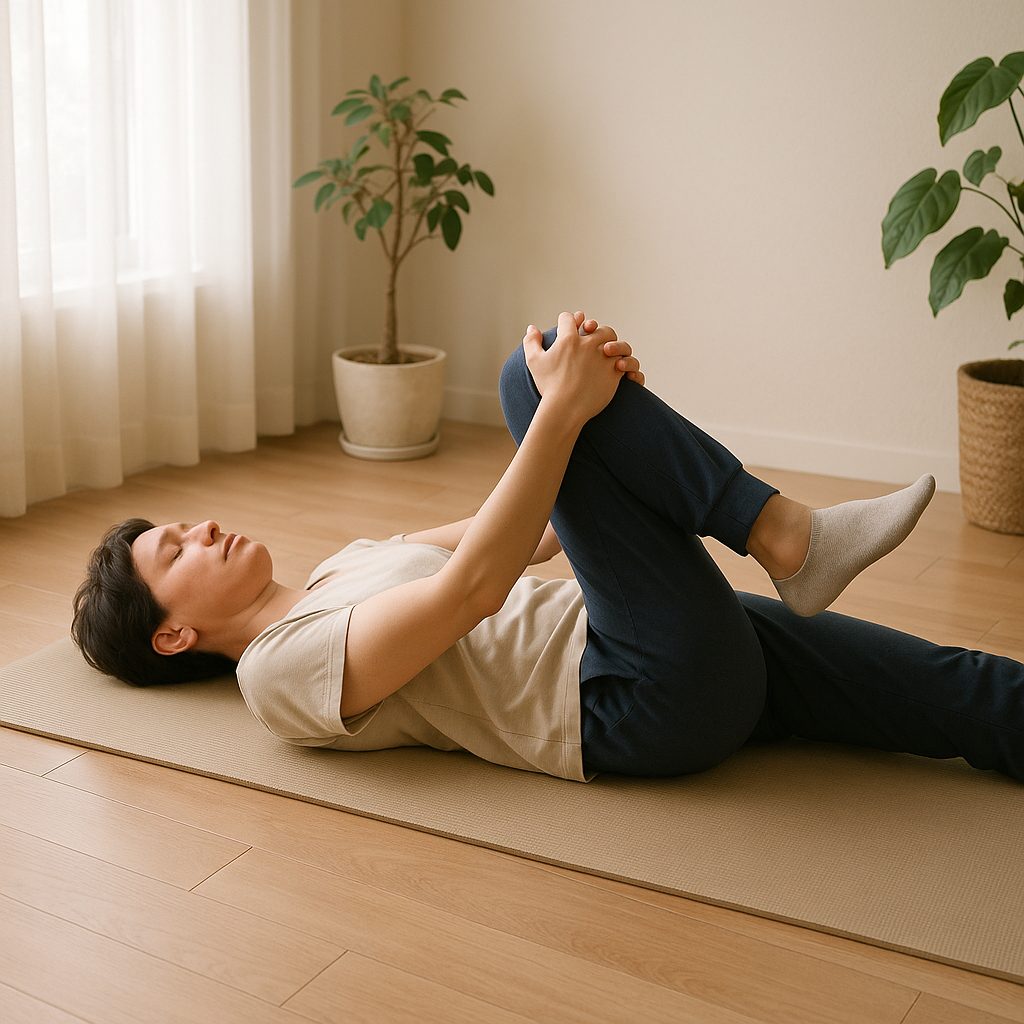
Stretches should always be done gently, without forcing. One of the key postures involves bringing the knees to the chest successively, slowly exhaling, until feeling a release under the shoulder blades. This regular practice increases flexibility and reduces lumbar tension.
Core strengthening and reinforcement
A stable trunk protects the spine. Front plank, maintaining a straight line from back to floor for 30 to 45 seconds, engages the deep abdominals and lumbar muscles. To vary, one can consider the side plank, which also strengthens the obliques and stabilizes the spine in three dimensions.
- Superman: lying face down, lift arms and legs simultaneously.
- Bird-dog: on all fours, extend one arm and the opposite leg in alignment.
- Glute bridge: lying on the back, lift the pelvis by contracting the glutes.
Professional interventions and specialized follow-ups
Physiotherapy and manual approach
A physiotherapist adapts a mobilization and strengthening program to each individual’s profile. Massage techniques, gentle joint mobilization, and ergonomic advice for daily life intertwine to aim for lasting recovery.
Other complementary therapies
Osteopathy, chiropractic, or acupuncture offer alternatives when the pain recurs. The idea is not to replace conventional medicine but to complement rehabilitation sessions to unlock tension areas and harmonize muscular movement.
Tips to prevent relapses
Ultimately, treating lower back pain also means rethinking one’s relationship to movement and effort:
- Set up an ergonomic workstation, screen at eye level and chair supporting the lower back.
- Change positions every 30 minutes, even if it means getting up to get a glass of water.
- Choose appropriate shoes, neither too flat nor too high.
- Incorporate a weekly routine of core exercises and stretches.
FAQ
What is lower back pain and how to distinguish it from temporary pain?
Lower back pain is characterized by pain located below the last ribs and above the buttock folds. It becomes chronic if it lasts more than three months with varying intensity. Temporary pain often fades within a few days and responds well to light rest.
Which exercises should be favored for quick relief?
Gentle trunk rotations, moderate core strengthening, and knee-to-chest stretches are effective. Provided they are done progressively, these movements decongest the lumbar region without overloading it.
When should one consult a specialist?
If the pain radiates into the leg (sciatica), is accompanied by numbness, or if the intensity does not decrease after a week of self-care, it is better to consult a doctor or physiotherapist.
Is complete rest recommended?
Total rest for more than two consecutive days tends to weaken stabilizing muscles. It is better to focus on light and progressive activity to promote blood circulation and reduce stiffness.