Itchy scalp can stem from multiple factors: dryness, dandruff, dermatitis, or even stress. This guide details each cause and offers targeted solutions, natural or medicinal, to quickly calm irritations.
Sommaire
In Brief
📝 Dryness, dandruff, and psoriasis are among the most common causes of itching. Each requires specific and adapted care.
💧 A gentle or moisturizing shampoo, combined with an antifungal or anti-inflammatory treatment, can often quickly soothe irritations.
🌿 Home remedies based on essential oils, aloe vera, or apple cider vinegar offer a natural alternative, ideal for sensitive scalps.
⚠️ In case of persistent lesions or worsening, a dermatological consultation is necessary to avoid any complications.
Why Does the Scalp Itch?
Before treating itching, it is important to understand its origin. Often, several factors mix, making diagnosis essential for lasting relief.
1. Dry Skin
The scalp skin can dry out due to harsh shampoos, hard water, or improper hygiene. Dead cells accumulate, pulling on the skin and causing tightness sensations. Sometimes fine white flakes that detach easily are observed.
2. Dandruff (Mild Seborrheic Dermatitis)
Dandruff results from a proliferation of yeasts (Malassezia) that trigger chronic inflammation. The flakes are thicker and yellowish, and itching intensifies after stress or hormonal changes.
3. Scalp Psoriasis
Psoriasis appears as red patches covered with silvery scales, often located on the nape or forehead. It is an autoimmune disease, so itching is sometimes secondary to inflammation rather than dryness.
4. Severe Seborrheic Dermatitis
Beyond dandruff, seborrheic dermatitis can lead to thick, greasy crusts, a bright red scalp, and severe itching. Climatic conditions and stress play a key role in its flare-ups.
5. Atopic Eczema
Atopic eczema often affects children but persists in about 30% of adults. It appears as dry, cracked, and particularly irritating patches. Itching occurs mainly at night.
6. Allergies and Contact Sensitivities
Fragrances, preservatives, or surfactants in hair care products can trigger contact dermatitis. Itching appears a few hours after application and disappears within a few days if the product is removed.
7. Fungal and Bacterial Infections
Some fungal infections (ringworm) and bacterial folliculitis cause itching, pain, and even localized hair loss. Medical consultation is necessary for appropriate antifungal or antibiotic treatment.
8. Lice and Insects
Lice cause intense itching and are easily spotted by their nits attached to the hair. An insecticidal lotion or a suitable comb is generally enough to eliminate the infestation.
9. Stress and Psychological Factors
Chronic stress increases skin fragility and exacerbates itching. Anxious individuals may scratch unconsciously, creating a vicious cycle where scratching worsens the irritation.
| Cause | Symptoms | Associated Signs |
|---|---|---|
| Dryness | Tight skin, fine flakes | Lack of shine, brittle hair |
| Dandruff | Thick flakes, itching | Excess sebum, redness |
| Psoriasis | Red patches, silvery flakes | Moderate hair loss |
| Allergies | Localized itching | Redness, swelling |
| Infections | Itching, pain | Pustules, crusts |
How to relieve an itchy scalp?
Depending on the identified cause, solutions vary: hygiene adjustment, targeted treatments, natural remedies, and lifestyle changes.
Adopt suitable hygiene
- Choose a gentle shampoo without sulfate, ideally formulated for sensitive skin.
- Space out washes (2 to 3 times per week) to avoid depleting the hydrolipidic film.
- Rinse with lukewarm water and finish with a cold water jet to soothe circulation.
- Use a soft-bristle brush to gently stimulate microcirculation.
Treat with pharmaceutical products
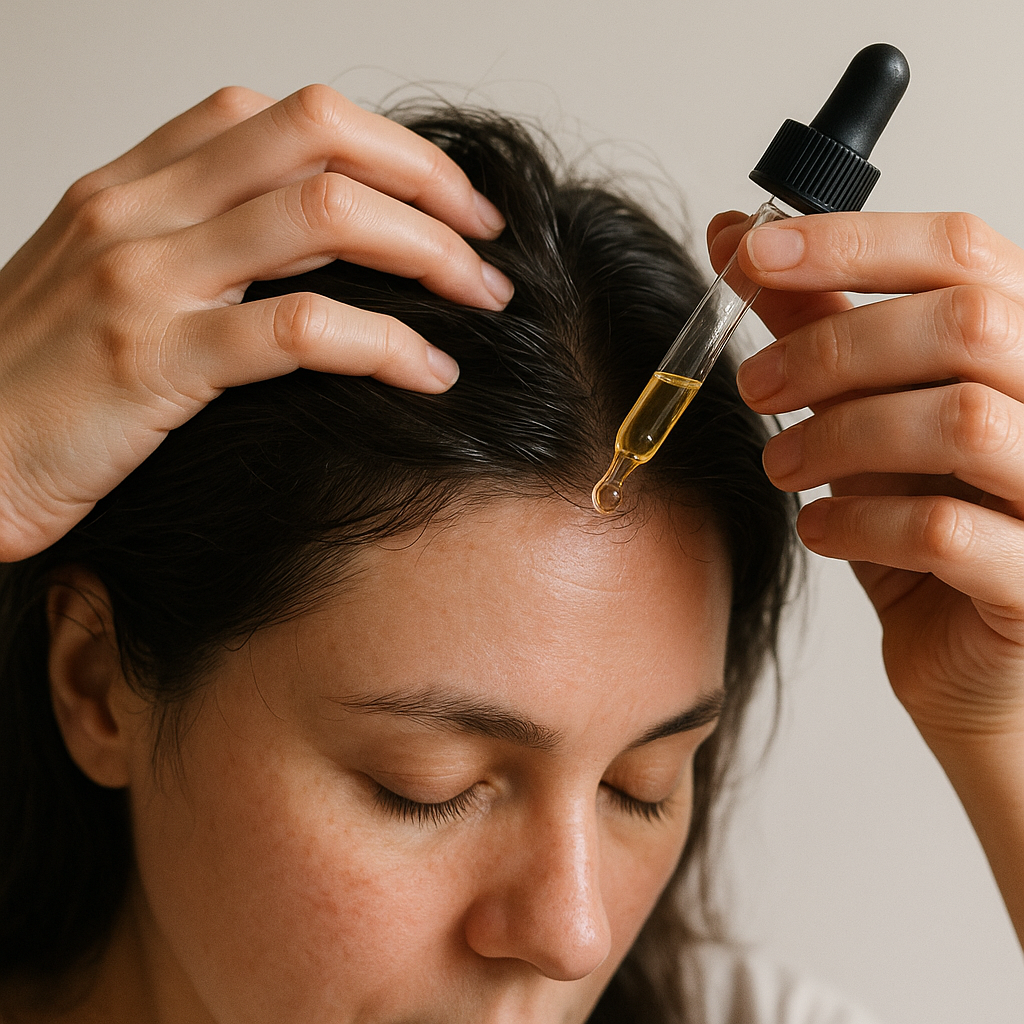
Anti-dandruff shampoos often contain ketoconazole, zinc pyrithione, or selenium sulfide: apply twice a week for 4 to 6 weeks. For psoriasis or dermatitis, a light topical corticosteroid prescribed by a dermatologist can reduce inflammation.
Natural remedies and DIY
- Pure aloe vera mask to hydrate and soothe irritations.
- Rinse with diluted apple cider vinegar, anti-inflammatory and antibacterial.
- Application of diluted tea tree oil, antifungal and soothing.
- Gentle scrub with sugar and oil to remove dead cells.
Diet and hydration
A diet rich in omega-3 (fatty fish, chia seeds), B vitamins, and zinc promotes skin health. Drinking 1.5 L of water per day helps maintain overall scalp hydration.
Stress management
Relaxation techniques (meditation, yoga, sophrology) and regular exercise reduce cortisol secretion, a pro-inflammatory hormone often linked to itching.
When to consult a specialist?
If symptoms persist beyond 4 weeks, worsen, or are accompanied by significant hair loss, a dermatological consultation is necessary to avoid complications and establish a tailored treatment.
FAQ
What are the most common causes of an itchy scalp?
Itching is often due to dryness, dandruff (seborrheic dermatitis), psoriasis, or allergic reactions to hair products.
How to distinguish dandruff from psoriasis?
Dandruff appears as greasy yellow or white flakes, while psoriasis shows red patches covered with thick, silvery scales.
Is a moisturizing shampoo enough to relieve itching?
It can be effective in cases of mild dryness, but for infectious or inflammatory causes, additional treatments (antifungals or corticosteroids) are often necessary.
What natural remedies are recommended for an irritated scalp?
Aloe vera, apple cider vinegar, and tea tree essential oil, diluted and applied as a mask, offer quick and natural relief.
How often should I wash my hair if my scalp itches?
Generally 2 to 3 times a week, with a gentle shampoo. Excessive washing can worsen dryness and itching.
When should I see a dermatologist?
If the itching lasts more than a month, is accompanied by intense redness, crusts, or hair loss, medical advice is essential.
Can stress cause scalp itching?
Yes, stress increases cortisol production and can trigger or worsen itching. Relaxation techniques are then recommended.