| Key points | Details to remember |
|---|---|
| 🍃 Origin | Obtained by steam distillation of Cinnamomum camphora leaves |
| 🛡️ Immune benefits | Action stimulating immune cells and respiratory pathogens |
| 🌱 Composition | Richness in 1,8-cineole, limonene, and alpha-pinene |
| 💧 Usage | Methods: diffusion, inhalation, massage, oral route (moderate) |
| ⚖️ Dosage | Quantity: 2–3 drops, up to 3 times a day |
| ⚠️ Precautions | Contraindications: pregnant women, infants, epileptics |
| ⏱️ Results | Effects noticeable within one week of regular use |
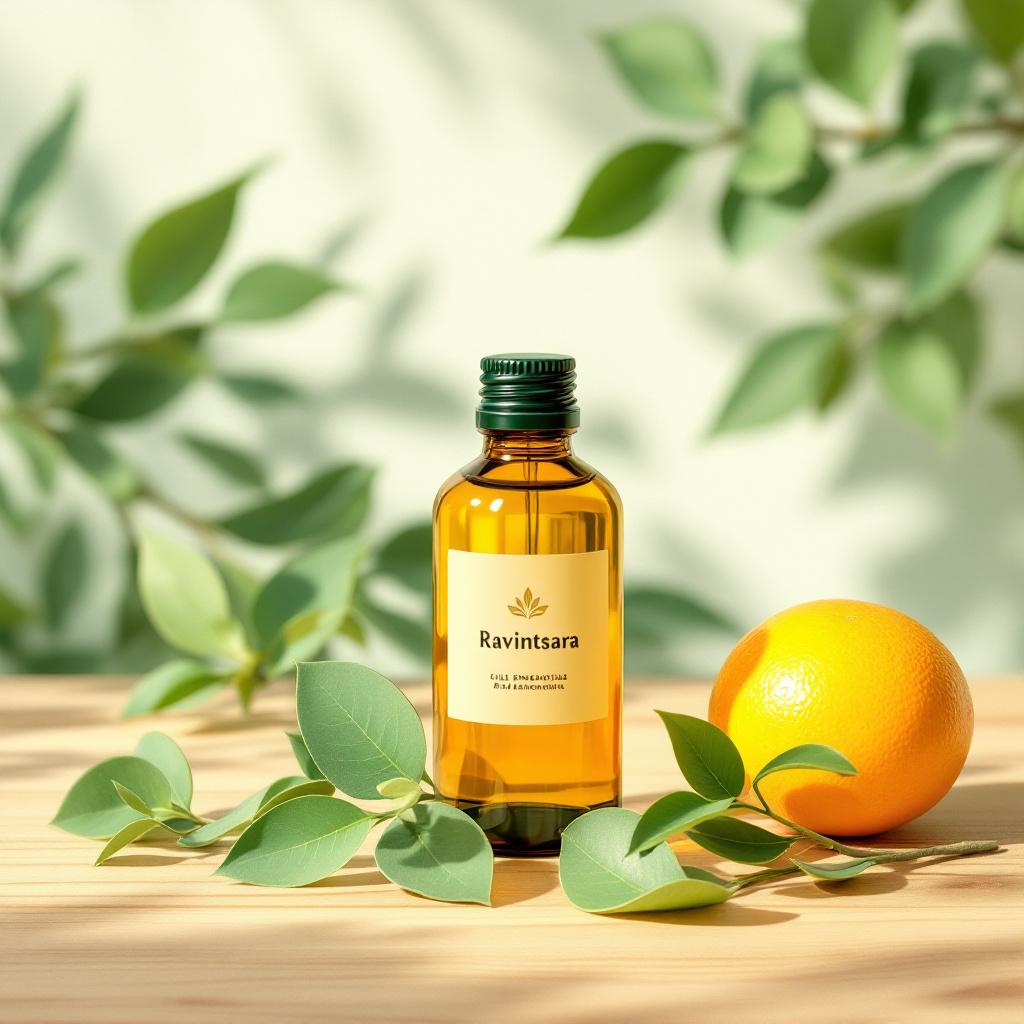
Ravintsara essential oil, sourced from the forests of Madagascar, has earned a solid reputation in the world of aromatherapy for its potential to support natural defenses. Positioned between ancestral uses and modern research, it stands out due to its composition rich in 1,8-cineole, the driver of its antiviral efficacy. Throughout this article, we will explore both its botanical foundations and practical applications, without overlooking the essential precautions for its use.
Sommaire
Origin and chemical composition of ravintsara oil
Botanical origin
Ravintsara (Cinnamomum camphora) mainly grows on the east coast of Madagascar, where Malagasy communities have long valued its leaves for their therapeutic virtues. Unlike the traditional camphor tree of Asia, the Malagasy variety is cultivated in harmony with local biodiversity, without massive deforestation. This cultivation context influences the concentration of its aromatic molecules, giving the essential oil a chemical profile that is both rich and balanced.
Main active compounds
At the heart of this oil lies 1,8-cineole, spicy and penetrating, recognized for its decongestant and immunostimulant virtues. Alongside it, limonene and alpha-pinene provide anti-inflammatory support while slight traces of sabinene add a fresh touch. This combination gives ravintsara its versatile spectrum of action, capable of targeting both infectious agents and respiratory imbalances.
How ravintsara acts on immunity
Immunostimulant Effect
After inhalation, several clinical studies show an increase in the activity of macrophages and lymphocytes, key elements of the immune system. In practice, a few drops dispersed in a diffuser create an atmosphere conducive to immune vigilance. The contained terpenes act as molecular signals, prompting cells to mobilize more quickly in case of viral attack.
Antiviral and Antibacterial Action
Ravintsara is not limited to supporting immunity: it also plays a direct role against certain respiratory viruses and opportunistic bacteria. In direct contact with pathogens, its 1,8-cineole disrupts their membrane, reducing their virulence. This property explains why it is often recommended to disinfect ambient air and congested respiratory tracts.
Different Methods of Use
Diffusion and Inhalation
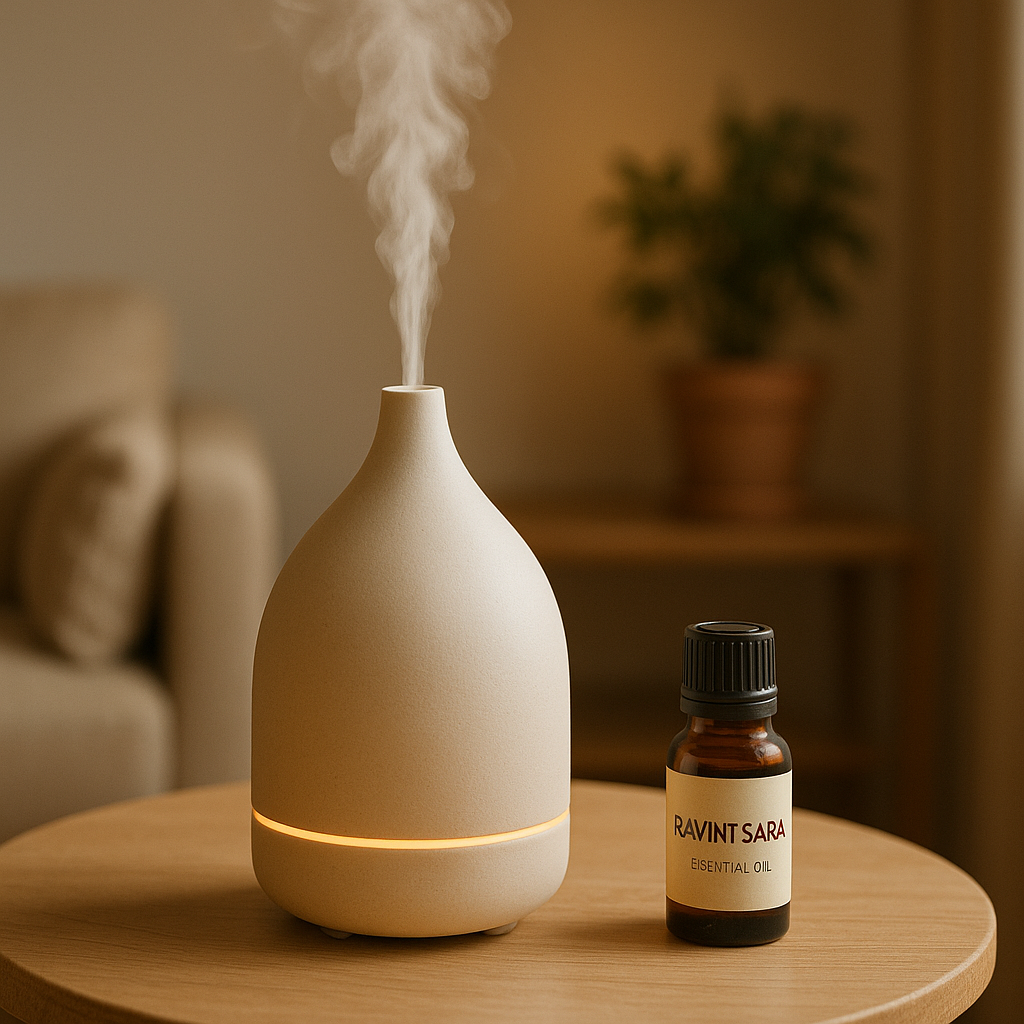
Atmospheric diffusion remains the gentlest and easiest method to access. A session of 15 to 20 minutes, twice a day, is enough to transform the air in your room into an olfactory shield. For targeted inhalation, place 2 drops on a handkerchief or in the palm of your hands, breathe deeply and regularly, cycling through inhalation-exhalation for 3 to 5 minutes.
Topical Application
In therapeutic massage, dilute 2 to 3 drops of ravintsara in 10 ml of neutral vegetable oil (sweet almond, apricot kernel). Circular movements on the chest stimulate circulation and optimize the absorption of active molecules, while providing a calming effect on muscle tension.
Oral Route (with moderation)
Only on the advice of a professional, ingestion of ravintsara can complement an immune support protocol. Then add one drop to a spoonful of honey or on a neutral tablet, so as not to irritate the oral mucosa. This approach requires strict adherence to duration and frequency, as the liver remains the key organ for metabolizing these powerful compounds.
Dosage and Essential Precautions
Recommended Dosage According to Age
For an adult, the standard dose does not exceed 6 to 9 drops per day, divided into 3 doses. For adolescents, limit to 4–6 drops. Children over 6 years old can benefit from 1–2 drops, always diluted. Respecting these guidelines ensures safe use while maintaining the full effectiveness of the oil.
Contraindications and Side Effects
Pregnant women, infants, and epileptic individuals should refrain from using ravintsara preventively. In case of sensitive skin, a prior patch test is required: 1 drop diluted in 4 drops of vegetable oil, applied on the forearm, then observed for 24 hours. Local irritation prohibits any further application.
Examples of Practical Uses
- Morning ritual: 2 drops diffused in the bedroom for an energetic awakening.
- Soothing massage: dilute in a neutral oil to relieve the chest after a period of fatigue.
- Nomadic roll-on: mix 10 drops in a 10 ml bottle and apply on the wrist area in case of fatigue.
- Express inhalation: soaked handkerchief to breathe during a trip or a session at the office.
FAQ
- Can ravintsara be combined with other essential oils?
- Yes, a synergy with tea tree oil or green myrtle enhances the antiviral effect and the air-purifying action.
- How long does it take to feel an improvement?
- In most cases, one week of regular use is enough to feel less congestion and a boost in energy.
- Can ravintsara essential oil replace medical treatment?
- It complements conventional care but does not substitute a medical prescription, especially in case of confirmed infection.
- How should ravintsara oil be stored to preserve its properties?
- Keep the bottle away from light, in a cool place, tightly closed for 12 to 18 months.