| Key points | Details to remember |
|---|---|
| 🍎 Definition | Iron supplementation and its challenges |
| 💡 Main benefits | Prevention of anemia and energy boost |
| ⚙️ How it works | Intestinal absorption and influencing factors |
| 🛠 Associated methods | Forms of iron, splitting doses, fiber-rich diet |
| 📈 Expected results | Reduction of constipation and better tolerance |
| 🔍 Practical applications | Daily routines |
| 🌐 Accessibility | Availability in pharmacies and health food stores |
When starting iron supplementation, the enthusiasm to fight fatigue can quickly be dampened by digestive discomforts. Among them, constipation tops the list, forcing many to stop the treatment or reduce the dose without medical advice. However, with a few targeted adjustments—regarding the choice of iron, its mode of administration, and diet—it is possible to greatly limit this discomfort. This article explores, in a detailed and nuanced way, how to fully benefit from iron without sacrificing intestinal comfort.
Sommaire
Why do iron supplements promote constipation?
Iron, by interacting with the intestinal mucosa, can slow down transit. Unlike other better-tolerated minerals, it tends to partially deposit in the wall, which promotes water retention in the stools. The consequence: a local edema and a slowdown of peristalsis. Sometimes excipients (lactose, cellulose) add to this phenomenon.
The role of different forms of iron
There are mainly two categories: ferrous iron (sulfate, gluconate, fumarate) and ferric iron (phosphate, polymaltose). From experience, polymaltose iron or iron encapsulated in an organic matrix causes less irritation of the mucosa, hence a lower tendency to constipation. Conversely, ferrous sulfate, inexpensive and effective in absorption, remains the most irritating.
8 tips to limit iron-related constipation
1. Split the dose
Rather than taking a large dose at once, you can divide it into two or three spaced intakes during the day. This simple action reduces the peak irritation and improves tolerance without compromising overall effectiveness.
2. Choose a gentle form
Opting for iron in polymaltose or bisglycinate form can transform the experience: less irritation, less transit blockage. At the pharmacy, ask about specialties known for their gastrointestinal gentleness.
3. Taking iron on an empty stomach or with a light snack
Traditionally recommended on an empty stomach, iron can sometimes be better tolerated when accompanied by a snack rich in gentle fibers (banana, applesauce, oatmeal). The important thing is to remain consistent: if your digestive tract gets used to a fibrous breakfast, there are fewer surprises for transit.
4. Hydrate abundantly
Constipation is often explained by a lack of water: stools harden without sufficient water intake. Aim for at least 1.5 to 2 L per day, while spacing out drinks rich in tannins (tea, coffee) which can hinder iron absorption.
5. Incorporate soluble and insoluble fibers
Soluble fibers (chickpeas, oats, psyllium) form a gel that facilitates stool passage, while insoluble fibers (wheat bran, raw vegetables) act as a mechanical broom. A balance between the two is the key to smooth transit.
6. Move regularly
Sedentary lifestyle slows down peristalsis. A 20-minute walk after each meal, or some gentle stretches, is enough to stimulate the colon and reduce the stagnation of matter.
7. Add targeted probiotics
Strains of Lactobacillus acidophilus and Bifidobacterium lactis show a positive effect on regularity. They balance the flora and limit the production of gas or fermentable compounds that could reduce the appetite for iron.
8. Consider a mild laxative if needed
When all natural strategies struggle to work, a light osmotic laxative (macrogol) under medical supervision can be a temporary crutch. Reserved for critical periods and never long-term without professional advice.
The role of diet and lifestyle habits
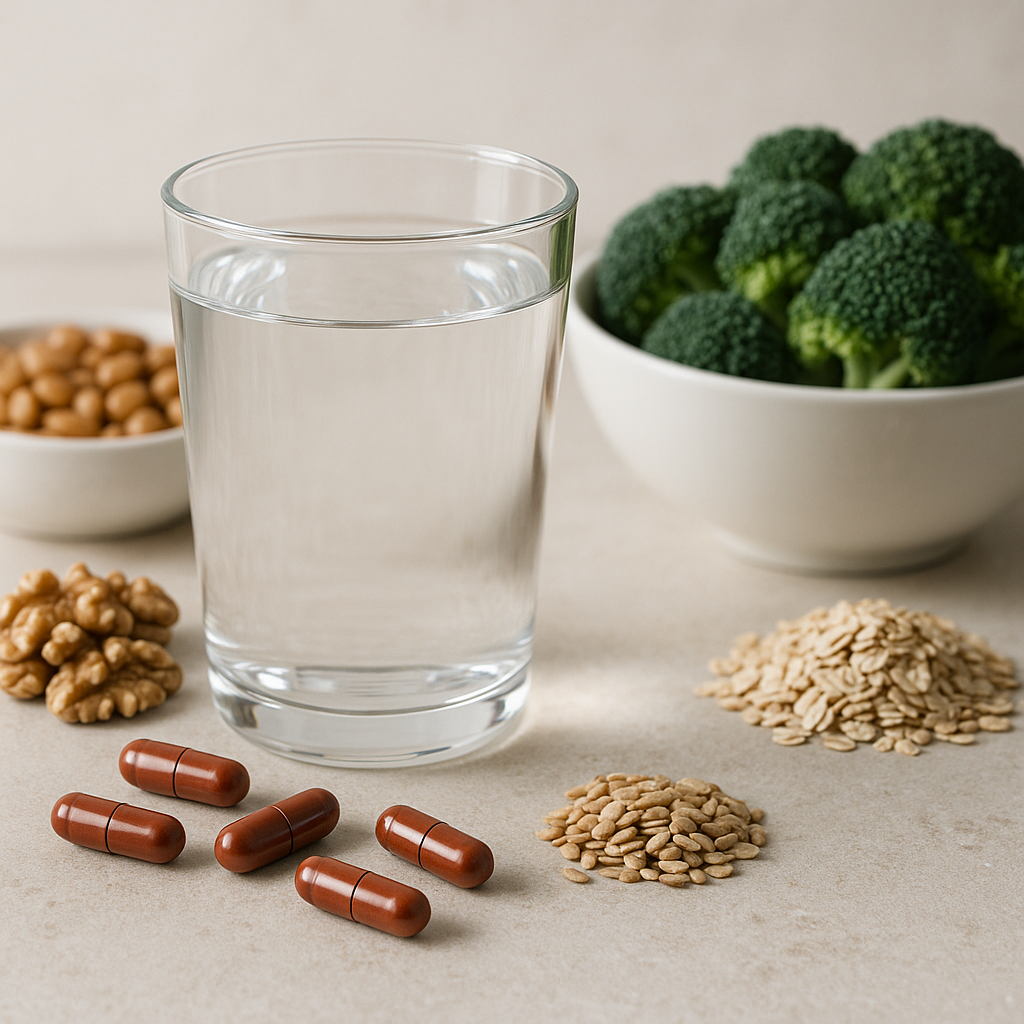
Beyond the choice of supplement, daily diet deserves sustained attention. Dried fruits (prunes, figs), vegetables cooked by steaming, and mineral waters rich in magnesium (Hépar, Rozana) are gladly invited into your routine. Moreover, acid-base balance plays an indirect role: excessive consumption of animal proteins can harden the fecal bolus, hence the importance of regularly including green vegetables and oilseeds.
| Food | Type of fiber | Average intake (g) |
|---|---|---|
| Prunes | Soluble | 3.4 |
| Wheat bran | Insoluble | 5.0 |
| Cooked vegetables | Mixed | 2.8 |
| Psyllium | Soluble | 6.0 |
“The key is to consider supplementation as a whole: dose, form, diet, and lifestyle must work in synergy.” — Dr. Pauline Lefèvre, nutritionist.
Warning signs and when to consult
If constipation is accompanied by intense abdominal pain, blood in the stools, or unexplained weight loss, medical advice is required without delay. Furthermore, regular blood tests remain the best guarantee of adjusted supplementation, without overdose or deficiency.
FAQ
- Can you take a laxative every day with iron?
- By prescription, a low-dose osmotic laxative can accompany your treatment, but only short-term and under medical supervision.
- Should tea and coffee be avoided before taking iron?
- These drinks contain tannins that hinder iron absorption. It is better to space them at least one hour apart from the intake.
- Are green vegetables compatible with taking iron?
- Absolutely: rich in fiber and magnesium, they promote transit without impairing iron absorption, provided they are not overused at the exact time of intake.
- Can iron cause other side effects?
- Yes: nausea, heartburn, and dark-colored stools. If these issues become bothersome, reassess the form and dosage.
- When are the first beneficial effects seen?
- Depending on your initial condition, fatigue may diminish after 2 to 4 weeks, provided you maintain good hygiene and medical follow-up.