| Key Points | Details to Remember |
|---|---|
| 🌱 Definition | Powder obtained from hemp seeds, rich in fiber and healthy fats |
| 💪 Benefits | Essential amino acids and omega-3 for muscle recovery |
| ⚖️ Composition | Proteins at 50%, fiber at 10%, and various minerals |
| 🥤 Consumption | Smoothies, shakes, or incorporated into homemade energy bars |
| 🔍 Advantages | Hypoallergenic, optimal digestibility, and complete amino acid profile |
When choosing a protein supplement, one often hopes for a good dosage of amino acids, without side effects or unnecessary ingredients. For vegans, the search can become a headache: soy, pea, rice… each source presents compromises. Hemp protein stands out by combining digestibility, a dense nutritional profile, and frequent absence of allergens. Let’s explore why this powder, simply derived from the hemp seed, is increasingly appealing to aspiring athletes and vegan enthusiasts concerned about their well-being.
Sommaire
What is hemp protein ?
Obtained by grinding and washing the hemp seed, this powder concentrates the essential plant nutrients. Unlike hemp flour, it undergoes an extraction process that reduces almost to zero the content of unwanted fats and carbohydrates, while preserving the fiber. Visually, its color varies from soft green to light brown, depending on the degree of filtration. This minimalist process guarantees the absence of additives, preserving a slightly nutty taste, easily masked in a fruity or chocolatey blend.
Detailed Nutritional Value
Beyond the protein intake, the composition of hemp protein reveals a range of often overlooked micronutrients:
- Amino acid profiles: the nine essential amino acids, including leucine and valine, essential for muscle synthesis.
- Omega-3 and omega-6: a ratio close to 3:1, favorable to the post-exercise inflammatory response.
- Minerals: magnesium, iron, zinc, and potassium, important for energy metabolism.
- Soluble and insoluble fibers: for regulated transit and prolonged satiety sensation.
| Element | Quantity |
|---|---|
| Proteins | 15 g |
| Carbohydrates | 5 g (including 3 g fiber) |
| Lipids | 2.5 g (omega-3 & omega-6) |
| Calories | 100 kcal |
Hypoallergenic and Digestibility
Many suspect plant proteins of causing bloating or intolerances. Hemp, however, is naturally free from anti-nutrients found in soy or legumes, such as lectins and phytates. Result: superior digestive comfort, even after intense effort. Those sensitive to gluten or lactose find here an alternative without cross-contamination traces, ideal for a selective diet plan. Regarding intestinal pH, its neutrality helps limit acidity, often responsible for reflux or heaviness.
Benefits for Vegan Athletes
For a runner, rower, or cross-training enthusiast, recovery plays a central role. Hemp protein offers:
- A complete spectrum of amino acids to quickly repair muscle fibers.
- Quality fats to support hormone production and prevent chronic fatigue.
- A fiber intake promoting gradual energy release.
- A range of minerals useful for maintaining fluid and nervous balance.
Some testimonials mention reduced soreness and greater endurance over weeks. Of course, effectiveness relies on regular consumption combined with a varied diet.
Comparison with Other Plant Proteins
Compared to pea, rice, or soy, hemp protein presents an intermediate profile: less concentrated in protein than soy, it nevertheless surpasses rice and pea in fat quality. The table below summarizes the strengths:
| Protein | Protein Quality | Digestibility | Lipid Profile |
|---|---|---|---|
| Soya | Very high | Average | Low |
| Pea | High | Good | Moderate |
| Rice | Medium | Excellent | Low |
| Hemp | Good | Excellent | Rich |
How to choose and consume hemp protein ?
The market is full of brands, but quality varies depending on the process and origin. Prioritize:
- A clear traceability, with seeds from pesticide-free crops.
- An organic certification to guarantee the absence of contaminants.
- A list of ingredients reduced to the essentials, without artificial flavors or sweeteners.
For daily use:
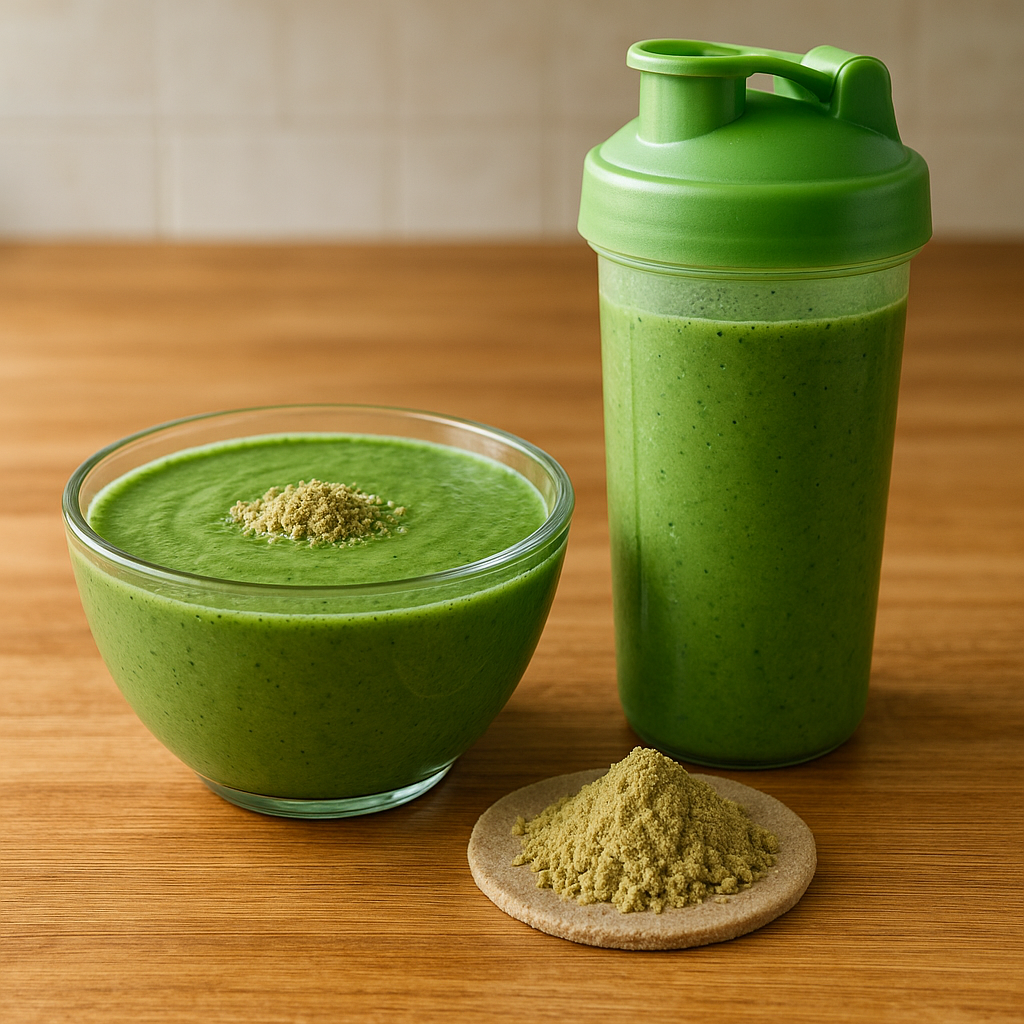
- Add 1 to 2 tablespoons to a green smoothie or fruit juice.
- Incorporate it into a pancake batter or homemade granola.
- Simply blend it with water, a fruit, and a bit of plant-based milk for a quick shake.
FAQ
Does hemp protein make you gain weight ?
It is not more caloric than other plant sources. It all depends on your total daily calorie intake and your dietary balance.
Can it be used in baking ?
Yes, as a partial flour substitute. Its fiber content and subtle taste add softness.
Should we fear THC ?
No, the seeds release less than 0.2% THC, without psychoactive effect. Manufacturers guarantee a negligible content.
What is the best time to consume it ?
After exercise, to maximize protein synthesis, or as a snack before a session, for sustained energy.