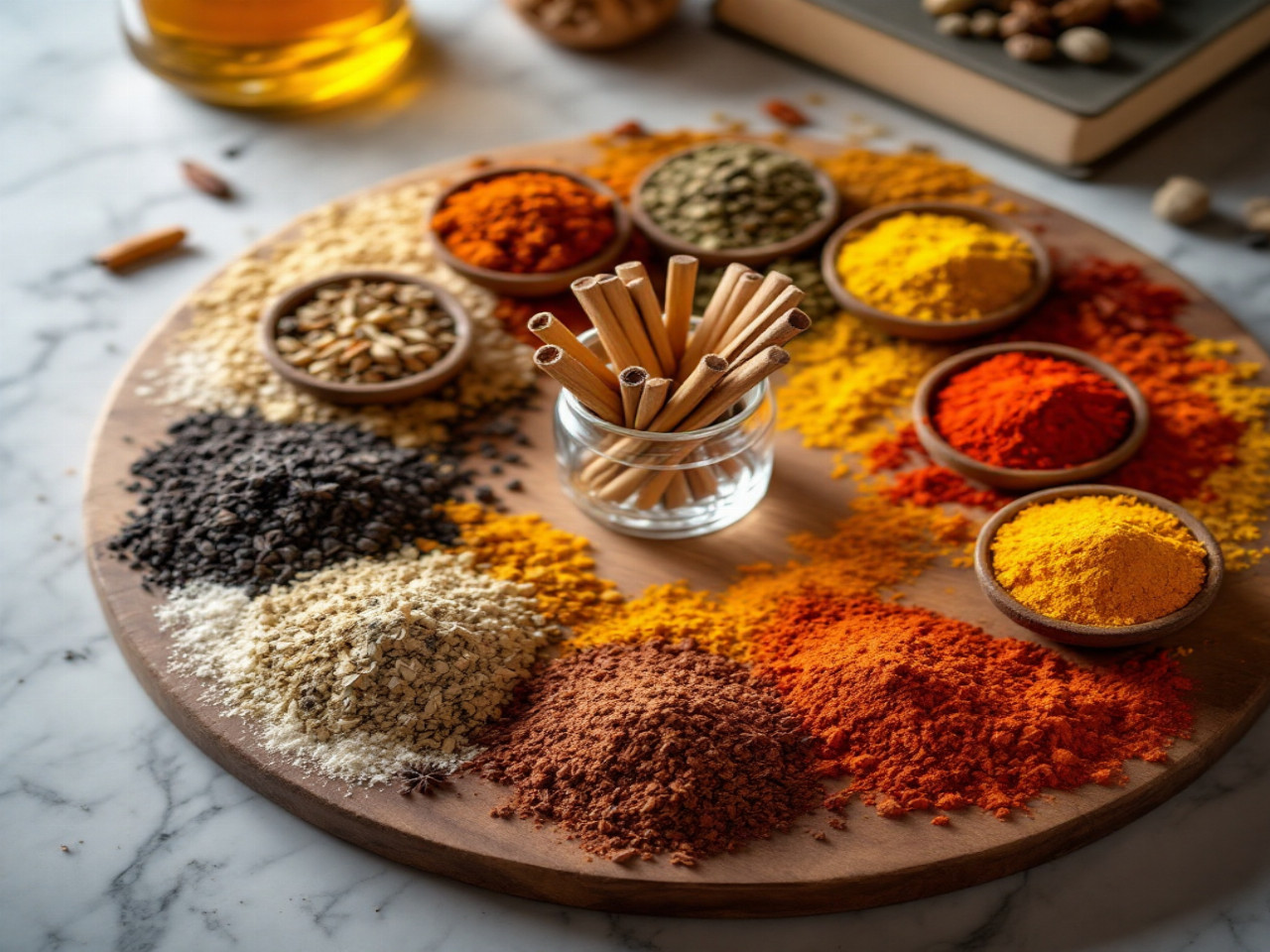
Managing blood sugar is not just about counting carbs and exercising: certain spices, used for millennia, now have credible scientific evidence to modulate glucose absorption. By adding a few judicious pinches to your dishes, you can influence the speed of sugar absorption and insulin efficiency. This article details twelve essential spices, guides you in their daily use, and sheds light on the precautions to take to incorporate these aromatic allies into your routine.
Sommaire
Why do certain spices affect blood sugar?
Biological mechanisms at work
Spices contain bioactive compounds capable of inhibiting digestive enzymes (alpha-amylase, alpha-glucosidase), stimulating insulin sensitivity, or reducing oxidative stress. For example, cinnamon’s cinnamaldehyde improves glucose transport to muscle cells, while turmeric’s curcumin limits inflammation in the pancreas. Together, these processes slow the rise of blood sugar after a meal.
A millennia-old culinary and medicinal tradition
In India and China, the Ayurvedic and traditional Chinese systems have always mentioned the use of cinnamon, ginger, or cardamom to “cool the blood” or “tone the pancreas.” More recently, athletes with type 1 diabetes have turned to these “super spices” to improve their energy metabolism, as reported by the Diététical blog in its article on 5 inspiring stories: diabetic athletes betting everything on superfoods to perform. They notably mention cinnamon in their shakes before training to smooth the blood sugar curve and gain endurance.
The list of 12 essential spices
| Spice | Active Compound | Effect on Blood Sugar | Recommended Dosage |
|---|---|---|---|
| Cinnamon | Cinnamaldehyde | Improves insulin sensitivity, slows carbohydrate digestion | 1 to 2 g/day (¼ to ½ tsp) |
| Turmeric | Curcumin | Reduces inflammation, protects pancreatic cells | 500 mg to 1 g of powder, twice daily |
| Ginger | Gingerol | Slows intestinal glucose absorption | 2 to 4 g/day (1 tsp grated) |
| Fenugreek | Galactomannans | Slows glucose entry into the blood | 5 g of seeds, twice daily (infusion or powder) |
| Black Pepper | Piperines | Increases turmeric bioavailability, improves insulin action | ¼ to ½ tsp per day |
| Cumin | Cuminaldehyde | Improves glucose metabolism, antioxidant | 1 to 2 g/day |
| Saffron | Crocins | Reduces oxidative stress, preserves β-cell function | 30 mg/day (pure saffron) |
| Clove | Eugenol | Partial inhibition of α-glucosidase | 1 g of powder/day (¼ tsp) |
| Cardamom | Terpenes | Improves insulin sensitivity, moderate antioxidant | 1 to 2 g/day (2 to 4 pods) |
| Cayenne Pepper | Capsaicin | Increases energy expenditure, reduces glycemic response | ½ to 1 g/day (¼ tsp) |
| Ground Coriander | Linalool | Inhibits digestive enzymes, antioxidant | 1 g/day |
| Star Anise | Anethole | Improves insulin management, antispasmodic | 1 to 2 stars/day (infusion) |
How to incorporate them into daily life?
- Infusions and herbal teas: mix fenugreek, star anise, and cloves for an evening tea that supports digestion and calms sugar cravings.
- Delicious seasonings: sprinkle cinnamon and ginger on your oatmeal, plain yogurt, or homemade compote.
- Spicy marinades: incorporate cumin, turmeric, and black pepper into your glazes for roasted vegetables or grilled tofu.
- Morning shots: blend fresh ginger, turmeric, black pepper, and lemon juice in a blender for an antioxidant boost.
- Targeted supplements: opt for standardized curcumin (with piperine) or fenugreek capsules, under medical supervision.
Quick recipe: golden milk against glycemic spikes
In 200 ml of plant-based milk, heat ½ tsp of turmeric, a pinch of black pepper, and 1 tsp of honey (optional). Let infuse for 5 minutes, strain, enjoy warm. The piperine in black pepper enhances curcumin and modulates the insulin response.
Precautions and contraindications
Never substitute these spices for prescribed treatment. If taking anticoagulants (turmeric, ginger) or having biliary disorders (fenugreek), consult your doctor before increasing doses.
Some active ingredients can interact with hypoglycemic and anticoagulant medications. People suffering from acid reflux should limit cinnamon and chili. In case of allergy to pepper or more rarely to turmeric, always watch for the appearance of skin rashes or digestive discomfort.
FAQ
1. How long before seeing an effect?
Clinical studies show improvements in fasting blood sugar after 4 to 6 weeks of regular use, with consistent intake and appropriate doses.
2. Can they be overused without risk?
Add these spices gradually: excess can cause heartburn or nausea. Follow recommended dosages and vary sources to avoid overdosing on a single compound.
3. What is the best time to consume them?
To act on carbohydrate absorption, favor spices at meals rich in starch. For an anti-inflammatory effect, turmeric is well suited for morning intake.
4. Can several spices be combined?
Yes: synergy is often more powerful. The turmeric–black pepper combination is a classic, as is cinnamon–clove. Just be sure to adjust quantities so as not to overwhelm the flavor profile.
5. Are these spices suitable for type 1 and type 2 diabetics?
In both cases, they can support glycemic regulation. Type 1 diabetic athletes attest to this in Diététical stories, but insulin adjustment remains essential. For type 2, they often complement a hypoglycemic diet and oral medications.