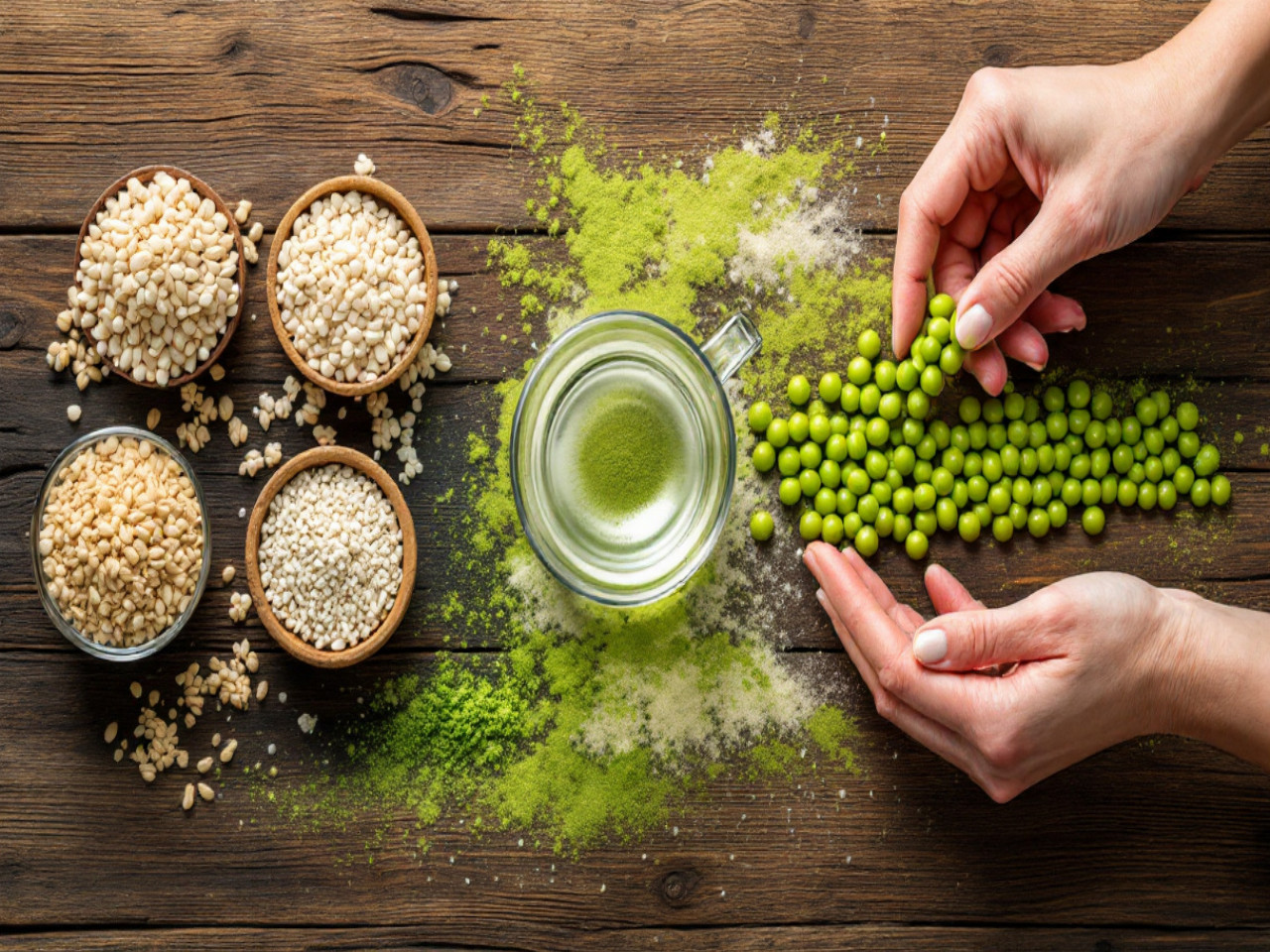
| Key Points | Details to Remember |
|---|---|
| 🌾 Definition | Soluble fibers derived from the husks of Plantago ovata |
| 💧 Hydration | Absorption of 10 to 15 times their weight in water |
| ⚖️ Powder | Precise dosing but viscous texture |
| 💊 Capsules | Convenience tasteless, controlled dose |
| 🌱 Whole seeds | Mild action but less concentrated |
| 🔬 Targeted use | Constipation, cholesterol, glycemic balance |
| ⚠️ Precautions | Drink enough to avoid intestinal blockage |
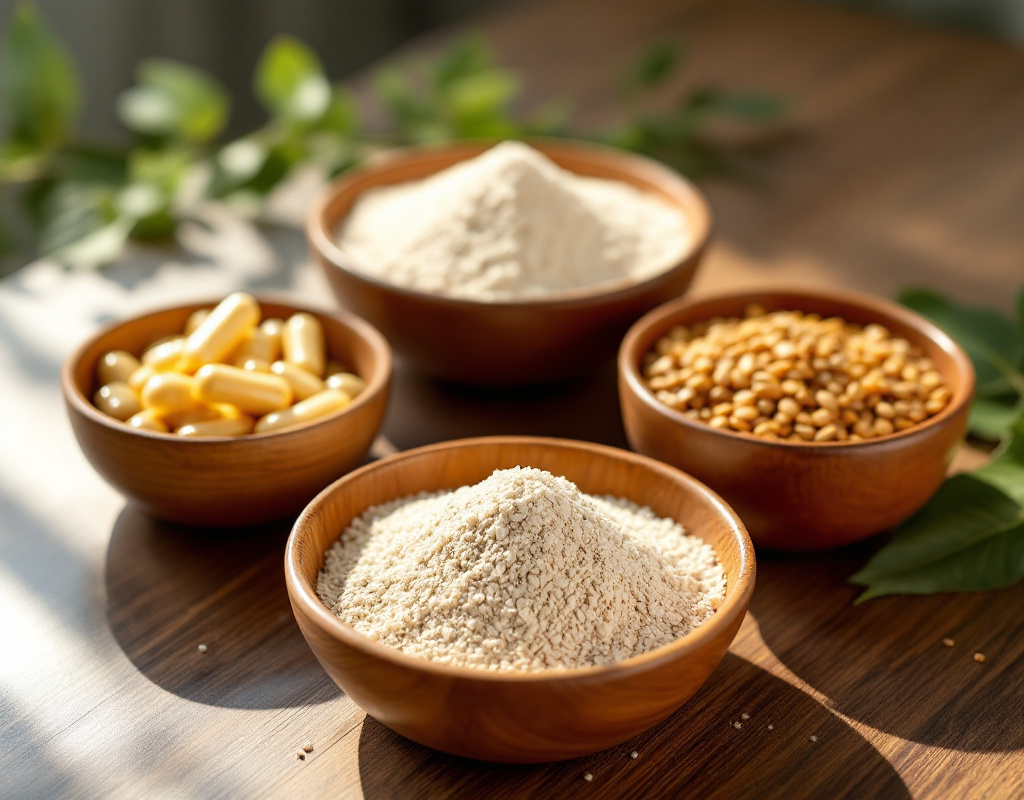
Choosing between psyllium powder, capsules, or seeds is not just a matter of simple preference: each form meets distinct needs, whether it is ease of use, speed of action, or digestive tolerance. By exploring their characteristics, one better understands the impact of this natural prebiotic on intestinal and metabolic health.
Sommaire
Understanding Psyllium and Its Properties
Psyllium, derived from the husks of Plantago ovata, is primarily known for its richness in soluble fibers. Once in contact with water, it forms a thick gel capable of regulating intestinal transit. But beyond this mechanical effect, it helps to:
- reduce cholesterol by limiting the absorption of bile acids;
- stabilize blood sugar after meals;
- serve as a prebiotic support, nourishing our microbiota.
We often imagine only one image of this fiber, yet its variations – powder, capsule, seeds – lead to specific uses and effects.
Focus on the Three Forms of Psyllium
Psyllium Powder
Powder remains the purest and most affordable form. It dissolves quickly in a liquid to form a viscous mucilage, ideal for:
- initiating a feeling of fullness, useful during dieting;
- refreshing a smoothie or thickening a soup without altering flavors;
- absorbing excess moisture in certain gluten-free culinary preparations.
However, its texture may surprise those not accustomed to its viscosity. Vigorous stirring and quick consumption prevent clumping.
Psyllium Capsules
In capsule form, psyllium fits into a busy lifestyle: odorless, tasteless, it is swallowed like a supplement. Each capsule offers:
- a standardized dose (generally 500 mg to 1 g);
- simplified management without prior preparation;
- a discreet packet easy to slip into a bag.
On the other hand, flexibility is lost: it is impossible to adjust the fiber amount to the gram, and the capsule sometimes takes a little longer to dissolve in the stomach.
Whole Psyllium Seeds
Raw seeds have a more “natural” appearance. Their shell contains the fibrous material, less concentrated than in isolated form, but they offer:
- gradual release in the digestive tract;
- a slightly nutty taste experience, pleasant in salad or yogurt;
- an economical solution when a prolonged course is desired.
For the more curious, a complete guide on blond psyllium specifically details this variety known for being mild and versatile.
Criteria for Making the Right Choice
Beyond texture or format, several elements dictate your decision:
- Health goal: regular transit, weight management, or cholesterol modulation;
- Lifestyle: availability to prepare a mixture or need for a quick intake;
- Digestive tolerance: some people tolerate the gradual swelling of seeds better than the rapid rise of mucilage in powder form.
Practically, an athlete wishing to limit bloating will often prefer capsules, while a gourmet fan of gluten-free recipes will turn to powder.
How to Dose and Incorporate Psyllium Daily?
The dosage depends on the chosen form:
| Form | Recommended Quantity |
|---|---|
| Powder | 5 to 10 g per day, divided into two doses |
| Capsules | 6 to 12 capsules (500 mg) depending on tolerance |
| Seeds | 10 to 15 g, to be soaked for 10 minutes before consumption |
It is essential to always accompany psyllium with at least 250 ml of water per dose. Without sufficient hydration, the mucilage can become too thick and hinder transit. For beginners, starting at half dose for a week allows personal tolerance to be appreciated.
Side Effects and Precautions
Generally well tolerated, psyllium can nevertheless cause:
- bloating or gas if introduced too abruptly;
- a sensation of blockage if liquid intake is insufficient;
- drug interactions, notably with certain hypoglycemics or anticoagulants.
Tip: separate psyllium intake from your medications by at least 2 hours to avoid any absorption interference.
In case of doubt—pregnant women, children, or existing intestinal pathologies—a medical consultation is necessary.
Practical Conclusion
Ultimately, powder, capsule, and seed each correspond to distinct usage profiles: powder for functional cooking enthusiasts, capsule for tight schedules, seed for those who prefer a more “raw” approach. Harmonizing your choice with your health goal and personal tolerance ensures a positive psyllium experience.
FAQ
Can I mix psyllium with hot liquids?
Yes, psyllium tolerates warm liquids, but avoid boiling water which would degrade its gel. Preferably integrate it into a liquid at 40-50 °C.
What is the difference between blond psyllium and black psyllium?
Blond psyllium, more common, offers more abundant and neutral-tasting mucilage, while black psyllium often has a lower mucilage concentration and a slight earthy note.
Can psyllium be taken every day?
Yes, provided dosages are respected and adequate hydration is ensured. A course of several weeks is common to sustainably recalibrate transit.
Can psyllium help regulate blood sugar?
Absolutely. By slowing sugar absorption, it helps limit postprandial glycemic spikes, a notable asset for prediabetic individuals.
Are there major contraindications?
Patients suffering from intestinal obstruction, digestive tract stenosis, or swallowing disorders should avoid psyllium or consume it under medical supervision.