| Key Points | Details to Remember |
|---|---|
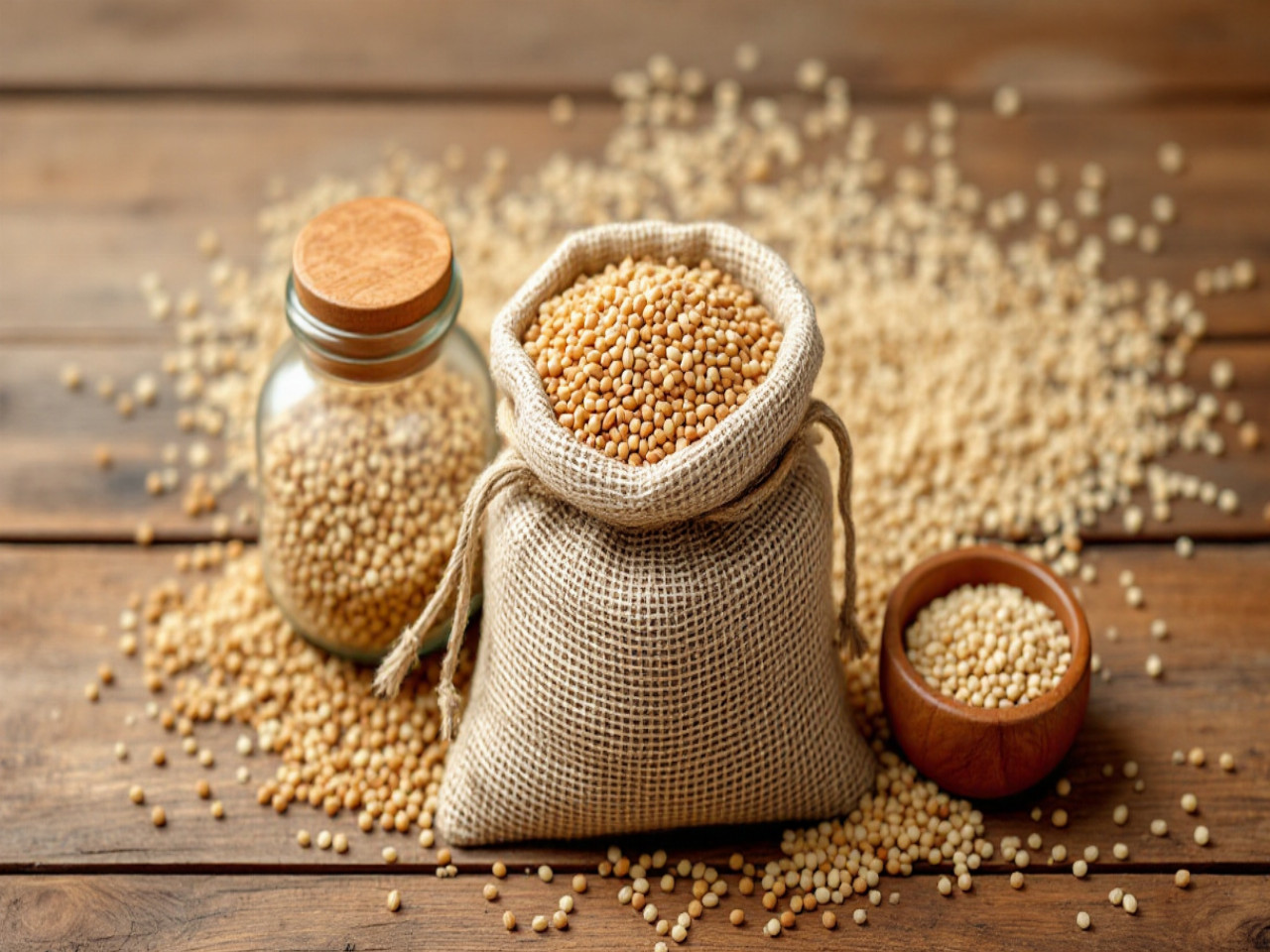
| 📖 Definition | Psyllium is a soluble fiber derived from the husks of Plantago ovata seeds. |
| ❄️ Ideal Conditions | Store in a dry place and away from light. |
| 🛍️ Packaging | Prefer a hermetic jar or an opaque bag. |
| ⏳ Duration | Up to 24 months if conditions are respected. |
| 🔍 Quality Control | Check the smell and appearance before each use. |
| 💡 Tip | Store near dry condiments to facilitate rotation. |
Psyllium, now essential for healthy eating enthusiasts, reveals its full value when it retains its fineness and richness in soluble fibers. Between ambient humidity and unsuitable packaging, many pitfalls threaten this powder with laxative and stabilizing virtues. We suggest transforming your cupboard into a true barrier against psyllium deterioration, thanks to simple gestures, almost intuitive once adopted. Whether you handle blond or brown psyllium, these tips apply with the same efficiency, guaranteeing a product always ready to thicken your preparations and pamper your digestion.
Sommaire
Why Preserve the Quality of Psyllium?
Beyond a simple ingredient, psyllium contributes to your intestinal well-being and can act as a thickener in gluten-free recipes. Poorly stored, it loses its gelling capacity and can even develop mold, compromising its nutritional value. When buying in bulk or large quantities, it is therefore important to anticipate its fate to avoid waste and ensure always optimized use.
Imagine psyllium softened by humidity: the texture changes, its ability to swell in water decreases, and the fibers lose effectiveness. Worse still, psyllium exposed to light can oxidize more quickly, altering taste and smell, or even become rancid over time. By staying vigilant about storage conditions, you preserve not only the organoleptic qualities but also the product’s safety.
Ideal Conditions for Your Psyllium
Temperature and Humidity
The main enemy of psyllium remains humidity. In an overly humid environment, the grains absorb ambient water, forming clumps that are difficult to separate. The ideal is between 15 °C and 22 °C, with a relative humidity below 60%. In a kitchen near the stove, water vapor is omnipresent; it is better to move the psyllium to a cooler cupboard, away from any heat and steam sources.
Light and Pollution
Light, especially direct light, can trigger an oxidation reaction. A transparent bag exposed to full sunlight or under intense neon light will see the color of the psyllium change within a few weeks. Dust and cooking vapors (grease, strong odors) represent an additional threat: they settle on the surface, altering the taste and smell. Storing it inside a closed cupboard, ideally away from the hood, is therefore necessary to avoid any olfactory nuisance or contamination.
Suitable Packaging
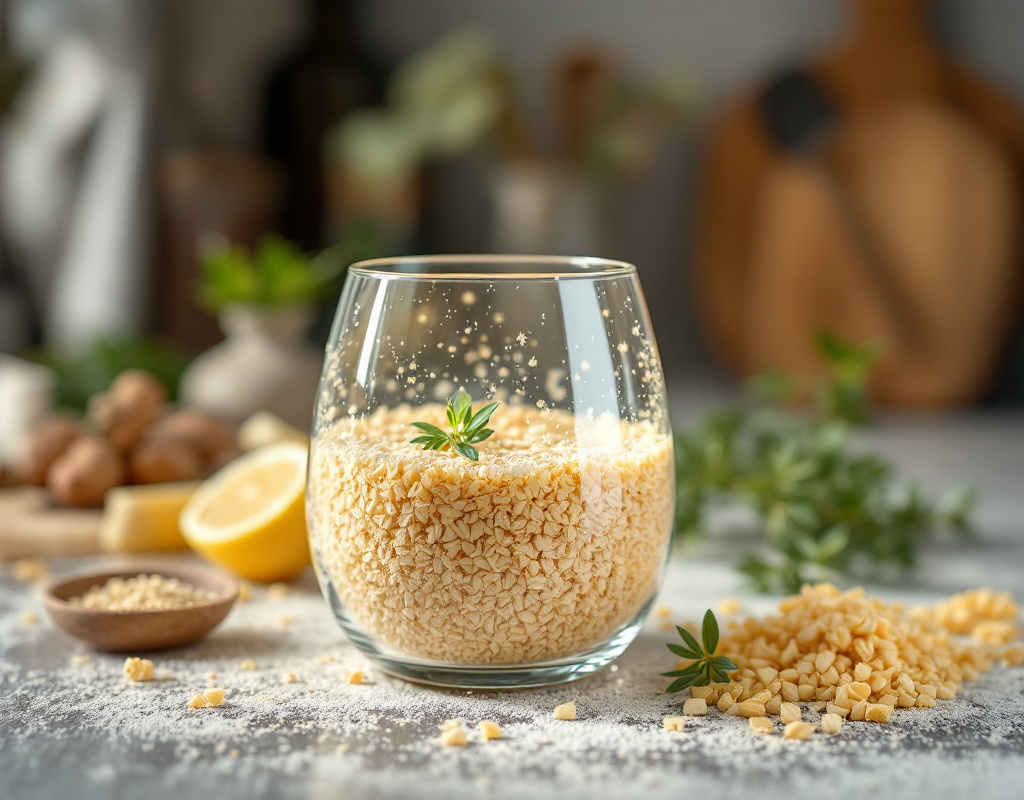
The original packaging of psyllium, often a plastic bag, is not always optimal in the long term. The winning duo includes an airtight container – glass jar or metal box – and an opaque envelope. In double packaging, the second layer (bag or cling film) creates an additional barrier against moisture. For those working with small quantities, small resealable jars are perfect, while the bulk version requires a larger container with a reliable closure.
Daily Preservation Techniques
On a daily basis, the best approach is to measure your reserves: only take the amount you need for a few weeks. Keeping too large a stock carries the risk of prolonged exposure to air and light, formidable factors of deterioration.
- Precise weighing: equip yourself with a small scale to identify the necessary portion (5 to 10 g per use). Several resealable bags ensure that the rest of the stock remains intact.
- Numbered jars: note the opening date using a erasable marker or a round sticker. This minimalist trick prevents you from losing sight of the freshness of different batches.
- Stock rotation: place new receipts behind the old ones to favor use in order of arrival, a principle inspired by professional kitchen management.
With a zero-waste approach, keep your old jam or sauce glass jars, carefully cleaned with very hot water and perfectly dried. Their cylindrical shape and wide opening perfectly suit dosing and cleaning needs, while limiting breakage risks.
Signs of Quality Loss and How to Remedy It
Even with all precautions, psyllium can age. The first sign remains the change in smell: a rancid or earthy scent, different from the neutral and light aroma we know, calls for caution. To the naked eye, the appearance of small black spots or the presence of moldy filaments requires discarding the entire batch, without trying to recover any part.
A moist, sticky, or particularly compact texture indicates excessive hygroscopy: the water stored in the powder has triggered a partial gelling reaction. In this case, it is better to avoid consumption – moistened psyllium loses much of its swelling power and could alter your preparations.
To Go Further
When it comes to psyllium, properly preserving your product is not enough to exploit all its possibilities. In this complete guide to blond psyllium, you will find a detailed overview of its health benefits, modes of administration, and precautions to take according to your profile.
FAQ
What is the shelf life of psyllium?
Psyllium, when properly sealed and kept away from moisture, generally lasts up to 24 months. This longevity can be reduced to 12 months if the original packaging is left open or stored in a humid place.
Can psyllium be stored in the refrigerator?
The refrigerator does not provide any real benefit, as it concentrates water vapor in a cold environment. Prefer instead a cool, dry cupboard. However, freezing very large quantities (for semi-annual use) can be considered, provided airtight and well-dehumidified bags are used.
How can I tell if my psyllium has expired?
Several signs indicate expiration: a sharp or “burnt” smell, the presence of lumps, a darker than normal color, or even a small whitish deposit indicating microbial growth. In these cases, it is better to discard it without hesitation.