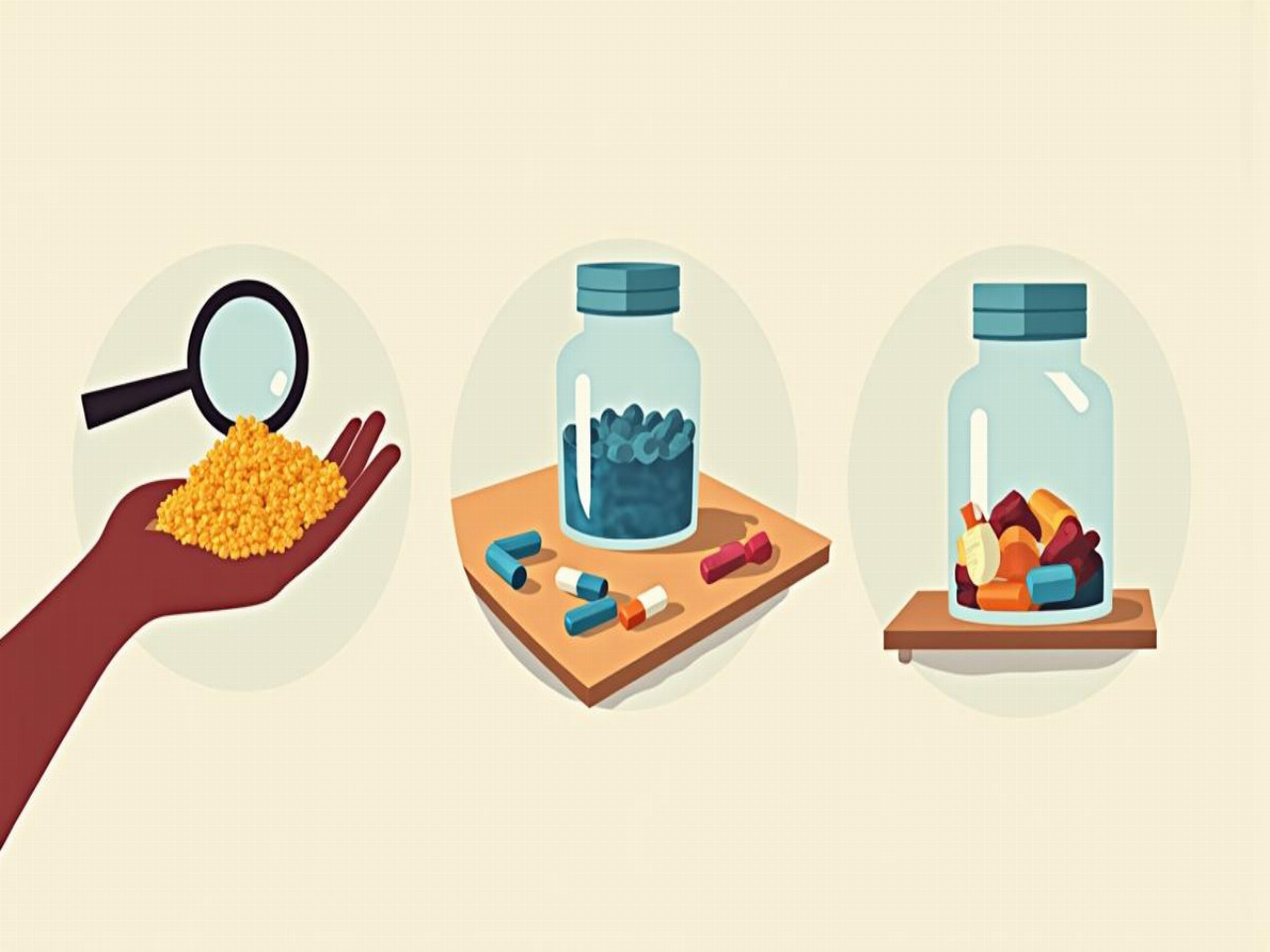
| Key Points | Details to Remember |
|---|---|
| 📘 Definition | Plantago ovata seed rich in soluble fibers |
| 🌾 Composition | Mucilages and emollients forming a gel |
| ⚠️ Interactions | Adsorption of drug molecules |
| 💊 Medications | Thyroid, antidiabetics, anticoagulants |
| 📝 Precautions | Space out intake by at least 2 hours |
| 🔍 Monitoring | Regularly consult with a doctor or pharmacist |
Psyllium, used for centuries to regulate bowel movements, is appealing due to its ability to swell by forming a viscous gel. But this same property can also trap active medicinal ingredients and alter their effectiveness. Without sounding alarmist, this article aims to clarify the nature of these interactions, identify the classes of medications involved, and provide guidelines to benefit from psyllium without compromising ongoing treatments.
Sommaire
How psyllium influences the absorption of treatments
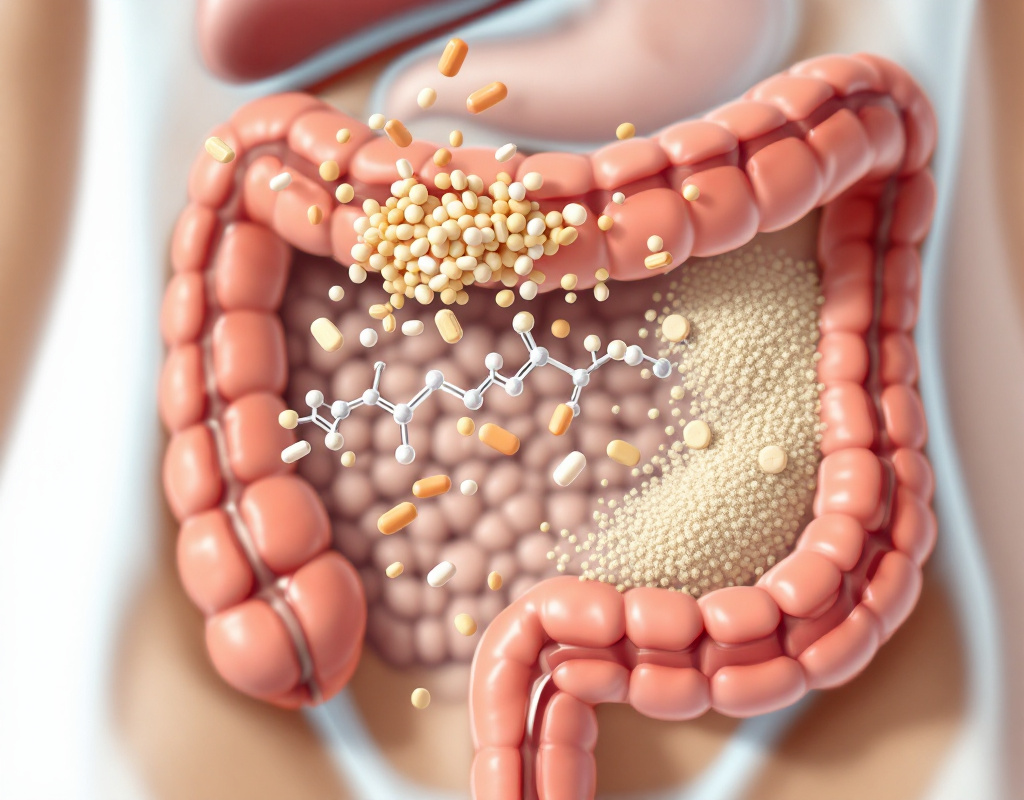
When in contact with water, the mucilages present in psyllium seed expand and form a gelled network. This matrix captures some of the substances suspended in the digestive tract, slowing the passage of water and nutrients. One might think this action mainly concerns lipids or carbohydrates, but it also applies to drug molecules, which, trapped in the gel, reach the small intestine—where absorption often occurs—more slowly.
In practice, a form of non-specific adsorption is observed: electrically charged molecules or those with a relatively hydrophilic structure can remain trapped in the psyllium gel until it is expelled. As a result, the circulating active ingredient level may be reduced, which affects therapeutic efficacy, especially for drugs with a narrow therapeutic index.
Detailed mechanism of action
To be more precise, the surface of mucilages creates a network of hydrogen bonds with neighboring molecules. A study from the European Pharmacopoeia notes that the gel formed by psyllium has sorption sites capable of retaining ions and polar compounds. This finding applies both to dietary supplements and to conventional pharmaceutical forms (tablets, capsules).
“In vitro analyses demonstrate that up to 30% of an active ingredient can be retained in the gel if taken simultaneously,” European Pharmacopoeia, 10th edition.
In other words, without precautions, a patient could absorb significantly less medication, with a risk of undertreatment.
Main classes of drugs concerned
Thyroid medications
Thyroid replacement hormones (notably levothyroxine) require a very specific pH and intestinal environment to pass into the bloodstream. Psyllium gel can shift this local pH and partially retain the molecule, resulting in reduced availability. In a clinical trial, a dosing interval of at least two hours was necessary to maintain blood levels of T4 and T3.
Oral antidiabetics
Sulfonylureas or metformin taken simultaneously with psyllium may have altered kinetics: the hypoglycemic effect occurs later or less intensely. For a patient at risk of hyperglycemia, this delay can weaken glycemic control. Specialists and patients agree on a three-hour gap before or after taking the fiber supplement.
Anticoagulants and antiplatelet agents
In patients on warfarin or clopidogrel, the habit of adding psyllium does not seem to drastically change coagulation time, but caution remains warranted. Some observations report fluctuations in the INR ratio. That is why practitioners often recommend closer monitoring of Quick time when introducing or withdrawing fiber supplementation.
Other substances to monitor
- Antibiotics (tetracyclines, fluoroquinolones) may have reduced bioavailability.
- Digoxin: possible decreased absorption, sporadic interactions described.
- Oral contraceptives: no formal alert, but the same spacing rule is recommended.
Precautions for use and practical recommendations
Without depriving oneself of the beneficial effects of psyllium, it is enough to follow a few simple guidelines. The golden rule: space the intake of psyllium and other medications by at least two hours, or even three in the case of sensitive substances. Regarding hydration, psyllium requires a full glass of water to avoid any gastric or intestinal blockage.
Advice for the patient
- Plan psyllium intake outside medication time windows.
- Drink at least 250 mL of water with each dose.
- Monitor symptoms of under- or overdose (fatigue, hypoglycemia, bruising).
- Inform the pharmacist of any new fiber supplementation.
Role of the healthcare professional
The doctor and pharmacist must ensure that the patient understands the potential impact of psyllium gel. To deepen dosage aspects and general warnings, it is wise to consult a complete guide on blond psyllium, which thoroughly details dosages, possible interactions, and precautions to adopt.
FAQ
Can psyllium reduce the effectiveness of all medications?
No, the extent of the interaction depends on the chemical structure of the active ingredient and the timing of intake. Some lipophilic compounds pass more easily through the gel.
How can I know if my treatment is affected?
Your blood tests (INR, hormone levels, blood glucose) may indicate an unusual variation. It is advisable to inform the laboratory and doctor of any fiber intake.
What amount of psyllium is recommended without risk of interaction?
Usually, 5 to 10 g per day are well tolerated. Beyond that, the timing gap relative to the medication becomes even more crucial.
Can I replace psyllium with another fiber to avoid these interactions?
Soluble fibers like ispaghul or guar gum have similar properties. However, each has its own interaction profiles, so the same spacing rules apply.