
Psyllium, this natural fiber extracted from the seeds of Plantago ovata, is featured in many wellness routines to facilitate transit and support digestion. However, behind its promises of intestinal comfort, there are sometimes inconveniences: bloating, gas, or even blockages. Before abandoning this ancient remedy, it is better to understand why these side effects occur, how to anticipate and alleviate them to fully benefit from the virtues of psyllium.
Sommaire
What is psyllium and how does it work?
Long used in traditional Indian medicine, psyllium comes in powder or seed form. Mainly, it is attractive for its hygroscopic capacity – in other words, its ability to absorb water and form a viscous gel. This mechanical property stimulates stool movement without irritating the mucosa, a benefit for those suffering from occasional constipation.
Origin and composition
Originating mainly from Indian and Pakistani crops, blond psyllium contains more than 70% soluble fibers. These swell up to fifteen times their volume in water, promoting smooth intestinal passage. Besides mucilages, there are proteins, lipids, and minerals, but it is the mucilaginous fraction that lends psyllium its medicinal uses.
Mechanism of action in the body
By forming a kind of “slippery carpet,” psyllium gel increases stool volume while preserving a malleable texture. This phenomenon triggers a more effective peristalsis reflex (intestinal contractions). Metabolically, soluble fiber helps modulate blood sugar and cholesterol levels, a bonus for cardiovascular health.
The most common side effects
While most users tolerate psyllium well, some quickly experience uncomfortable symptoms. These often appear during the initial increase phase, when the body has not yet adapted to the fiber intake.
| Side effect | Description |
|---|---|
| Bloating | Gas accumulation due to fermentation of undigested fibers in the colon. |
| Gas | Mild abdominal pain related to increased intestinal gas production. |
| Paradoxical constipation | Intestinal blockage when hydration is insufficient to form a fluid gel. |
| Allergic reactions | Itching, skin rashes, or swelling in sensitive individuals. |
| Drug interactions | Slowing of absorption of certain treatments if taken simultaneously. |
Bloating and gas
One might think fermentation is always beneficial, but in practice, it releases gas which, when not expelled, causes bloating. These symptoms, generally mild, occur mainly at the start of the treatment and diminish after a few days.
Paradoxical constipation and risk of blockage
Somewhat ironic, this phenomenon occurs when the key “ingredient” of psyllium is neglected: water. Without enough fluid, the fiber swells in the intestine, creating a thick mass that is difficult to evacuate. The sensation of a heavy, sometimes even painful, belly then sets in.
Allergic reactions and sensitivities
Rarer, these manifestations occur when the immune system identifies psyllium proteins as intruders. Sneezing, rashes, or itching may then appear a few minutes after intake.
Drug interferences
Psyllium can delay the absorption of medications (antidiabetics, anticoagulants…) if taken simultaneously. There is another way to reduce this risk: space the intake by at least two hours.
How to avoid discomfort related to psyllium?
More than a simple adjustment, a progressive and well-planned approach transforms the experience of psyllium treatment. Here are the avenues to explore to limit its drawbacks.
- Increase gradually the quantity
- Drink plenty of fluids before, during, and after intake
- Split doses throughout the day
- Choose a quality psyllium, ideally from controlled farming
- Pay attention to combinations with other foods or treatments
Optimal hydration
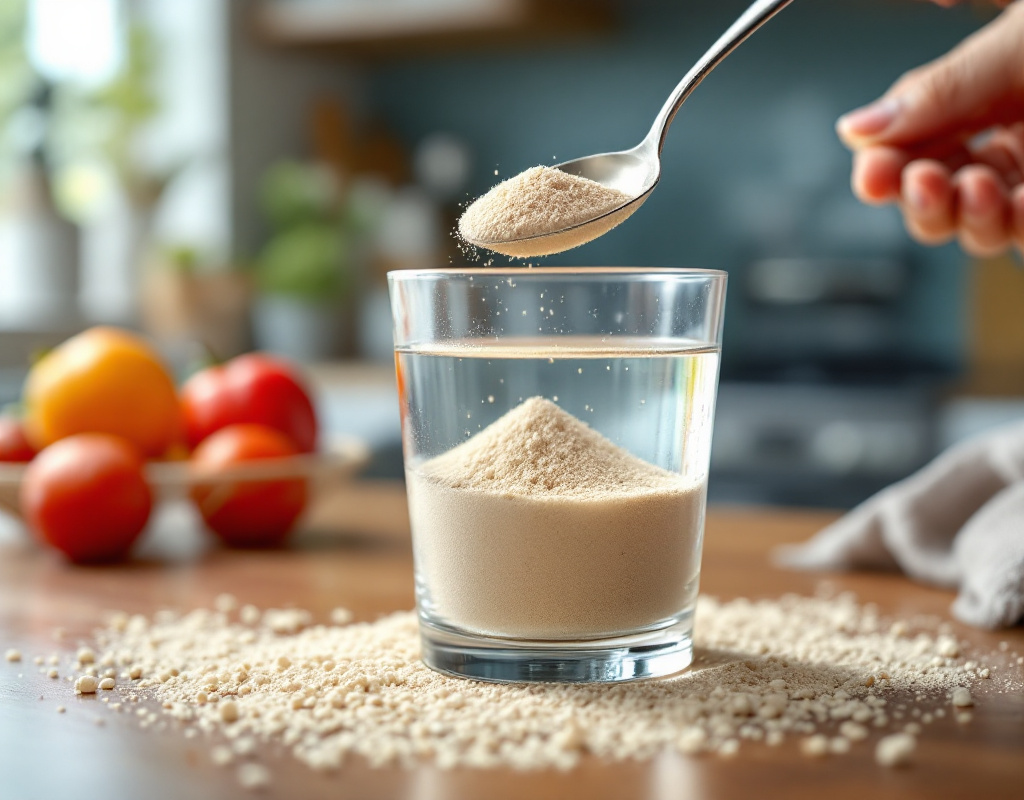
An adult should aim for at least 1.5 to 2 liters of water per day when consuming psyllium. Each spoonful of powder must be dissolved in a large glass, ideally followed by a second sip of water. Without this water reserve, the fibrous gel stagnates and risks compressing the intestinal wall.
Gradual dosing
Instead of opting for the full dose (10 g or more) on the first day, start with 2 to 3 g. Increase by 2 g every two or three days depending on tolerance. This gentle ramp-up allows the intestinal flora to adapt and reduces excessive fermentation.
Beneficial food combinations
Incorporating psyllium into a living preparation sometimes limits the “paste” effect. For example, mixing it into plain yogurt, unsweetened compote, or a smoothie enriches the texture and facilitates ingestion. Moreover, these foods provide probiotics or vitamins that support digestion.
To learn more about the forms of psyllium and their uses, you can consult this comprehensive guide on blond psyllium.
When to consult a professional?
If discomfort persists for more than two weeks or is accompanied by intense pain, the opinion of a doctor or dietitian is necessary. It is better not to let a more serious complication develop.
“In case of doubt, especially if you are on chronic treatment, a consultation allows you to adjust your diet and avoid interactions or worsening of symptoms.”
Warning signs
Fever, vomiting, blood in the stool, or sharp pain are reasons for emergency. It may be a complete intestinal blockage or a complication related to other pathologies.
Advice according to profile
Pregnant women, elderly or fragile people generally benefit from personalized monitoring. At the first sign of intolerance, adapting the protocol (dose, frequency, pharmaceutical form) is often sufficient to restore comfort.
FAQ
What are the most common side effects of psyllium?
Bloating, gas, and a slight feeling of fullness, especially at the beginning of the treatment. They diminish with gradual intake and increased hydration.
How to avoid paradoxical constipation?
Drink at least 250 ml of water per spoonful of psyllium, spread out the doses, and do not exceed the recommended amounts.
Can psyllium be combined with medications?
Yes, but space the doses by at least two hours to limit any interruption in absorption.
How often should psyllium be taken?
One to three times a day, depending on intestinal comfort needs and after establishing progressive tolerance.