| Key Points | Details to Remember |
|---|---|
| 🌾 Definition | Soluble fiber derived from the Plantago ovata plant |
| 🍃 Organic Quality | Certified labels guaranteeing the absence of pesticides |
| 📍 Origin | India or Iran main cultivation regions |
| ⚖️ Dosage | 5 to 10 g per day, to be adjusted gradually |
| 💊 Forms | Powder, capsules or whole seeds |
| 🥣 Usage | In drinks, yogurts or cake batters |
| 🔬 Purity | Without additives or fillers |
Choosing a psyllium is not just about putting a package in your cart: it’s about embracing a promise of digestive and cardiovascular well-being. Yet, faced with the abundance of labels and marketing claims, the buyer quickly feels overwhelmed. Between the “organic” guarantee, the multiple forms (powder, capsules, seeds), and sometimes opaque origins, the puzzle can become discouraging. Here, each criterion is detailed, compared, illustrated with concrete examples, and you are guided so that your purchase is a truly beneficial investment.
Sommaire
Why bet on psyllium?
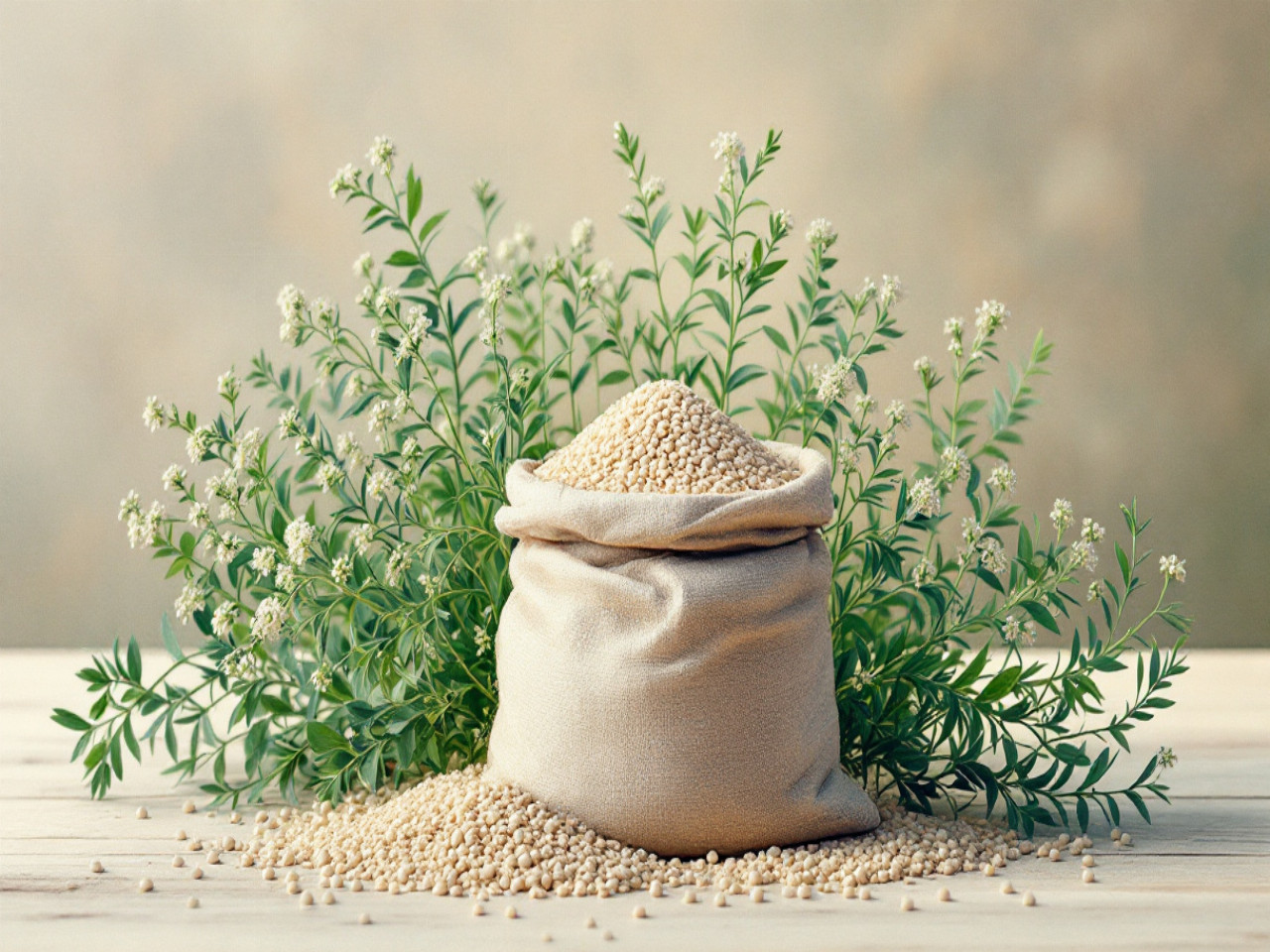
At the heart of the Plantago ovata plant, psyllium concentrates a particularly viscous soluble fiber. This texture allows, when in contact with water, the formation of a gel that facilitates transit and regulates appetite. It is used to relieve episodes of constipation, but also to support a lipid diet thanks to its cholesterol-moderating effect.
Beyond the mechanical action on the intestinal mucosa, several studies suggest a positive impact on postprandial blood sugar. In truth, it is not an aggressive laxative but a gentle regulator, provided the dosage is respected and enough water is consumed.
Criteria for selecting an organic psyllium
Does the prefix “organic” guarantee a better quality psyllium? There is some truth, provided you decode the certifications and go beyond the simple label.
Labels and certifications to know
The Agriculture Biologique (AB) label and the Ecocert certification are the most common in Europe. They guarantee the absence of synthetic pesticides and GMOs, but also farming practices respectful of the soil. However, not all labeled psylliums are equal: make sure the manufacturer publishes the batch number and a microbiological analysis sheet.
Geographical origin: India vs Iran
Nearly 90% of the world’s psyllium production comes from India, in the state of Rajasthan. The arid climate is ideal there, but agricultural practices vary depending on the farms. Iran also produces a highly prized psyllium for its purity. Going through a cooperative or a reputable importer reduces the risk of contamination (pesticides, mycotoxins).
If interested in the precise origin, do not hesitate to ask the retailer for the mention “certified origin” and, if possible, a heavy metals analysis.
Dosage and available forms
The dosage depends on the desired goal: intestinal comfort, weight management, or metabolic support. Some guidelines help avoid getting lost.
In practice, we generally start at 2 g per day, then gradually increase to 5–10 g. Ideally, the intake should be split into two doses, morning and evening, to distribute the gelling effect.
Powder, capsules, or whole seeds?
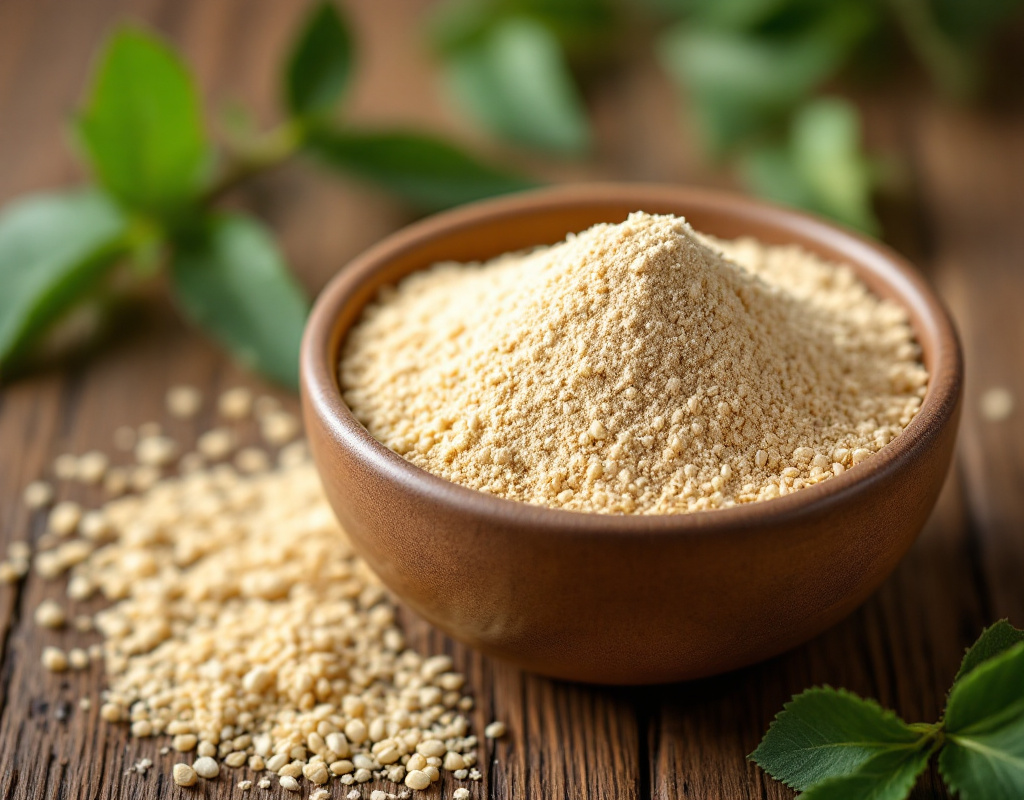
Powder remains the most flexible form, ideal for dosing to the nearest gram and for incorporating into drinks or yogurts. Capsules, on the other hand, offer a hygienic and tasteless option, but their dosage is fixed, often around 500 mg per unit. Finally, whole seeds are incredibly photogenic in a shaker but take up more space in the digestive system, which can bother some sensitive individuals.
Whatever the format, be sure to allow a two-hour gap between taking psyllium and any medication, as the gel can interfere with absorption.
How to decipher the label?
Beyond the organic label and origin, several mentions appear on a psyllium package:
- 100% pure: ensure that nothing else has been added (fillers, flavors).
- Total fibers: a high rate (≥ 85%) is a guarantee of concentration.
- Moisture: ideally below 10%, to prevent mold growth.
- Storage: airtight packaging, often with air-tight sealing.
If the label says “fiber blend,” prefer a more transparent product. Otherwise, you might lose effectiveness.
Comparison of some popular references
| Brand | Origin | Label | Form | Recommended dose |
|---|---|---|---|---|
| FibreZen | India (Rajasthan) | AB, Ecocert | Powder | 2 × 5 g/day |
| GrainePure | Iran | AB | Whole seeds | 3 g morning |
| CapsuLys | India | Ecocert | Capsules (500 mg) | 4 capsules × 2 |
| BioPsyll | India | AB, Fair for Life | Powder | 2 × 6 g/day |
Incorporating psyllium into daily life
Its neutral taste and gelling ability make psyllium a choice ally in cooking:
- In a smoothie or fruit juice, it liquefies without altering the flavor.
- In yogurt, it takes on a slightly creamy texture, ideal for breakfast.
- In gluten-free baking, it serves as a natural binder to replace wheat flour.
One might think its use is tedious, but in truth, a few seconds of mixing is enough. For those in a hurry, the shaker remains the fastest option.
To go further
Some curious readers want to explore the specific aspect of blond psyllium, its contraindications, and detailed medicinal uses: to deepen your knowledge, take a look at our complete guide on blond psyllium.
FAQ
Can psyllium cause bloating?
At the start, some people experience gas or bloating if hydration is insufficient. The solution: take small doses and gradually increase while drinking at least 1.5 liters of water per day.
Are there any contraindications?
In cases of intestinal stenosis or difficulty swallowing, psyllium can pose a problem. People on anticoagulants should also consult their doctor, as fiber sometimes alters the absorption of certain medications.
Can I use psyllium to lose weight?
Undeniably, it promotes a feeling of fullness, but it is not sufficient on its own. It must be part of an overall balanced diet and combined with regular physical activity.
What is the difference between blond psyllium and brown psyllium?
Brown psyllium is richer in mucilage, thus more viscous, but generally less purified than blond. The choice will depend on your tolerance and the desired effect.