| Key Points | Details to Remember |
|---|---|
| 🍃 Definition | Psyllium is a soluble fiber derived from the seeds of Plantago ovata. |
| ✨ Nutritional Benefits | Soluble fibers and mucilages promote satiety and blood sugar regulation. |
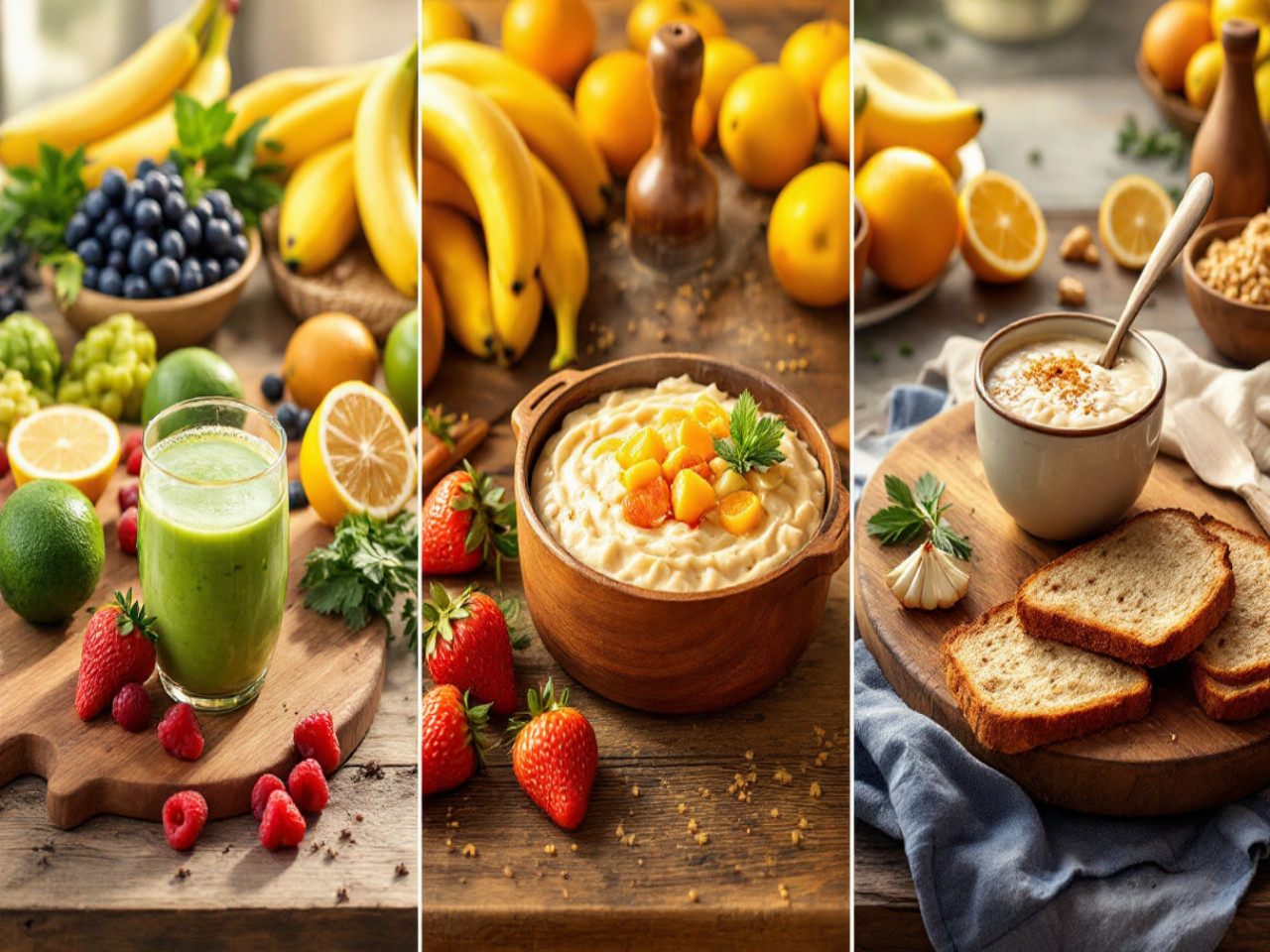
| 🍽️ Varied Recipes | Smoothies, porridges and homemade breads enriched with psyllium. |
| 🥑 Smoothies | Proper dosing for a filling breakfast without excess calories. |
| 🥣 Porridge | Creamy thanks to the gelling power of psyllium. |
| 🍞 Homemade Breads | Soft and light texture, perfect for replacing a portion of traditional carbohydrates. |
Adapting your favorite recipes to lose weight when you’re in a hurry is the whole point of slimming psyllium. Extracted from the husks of Plantago ovata seeds, this natural mucilage “swells” on contact with liquids and modulates appetite without altering flavors. In this article, we explore ideas for smoothies, porridges, and lightened homemade breads, but above all, we detail tips to adjust dosages and keep the pleasure of eating well. You will see that a small gesture in preparation is sometimes enough to transform your dishes into true satiety allies.
Sommaire
Why is psyllium a slimming ally?
The soluble fiber contained in psyllium attracts water and forms a viscous gel in the stomach. This mechanism slows gastric emptying, prolonging the feeling of fullness. Several studies, including a meta-analysis published in the Journal of Nutrition in 2020, highlight that 5 to 10 g of psyllium per day can reduce appetite and weight gain in the long term.
Beyond its effect on appetite, psyllium plays a role in regulating cholesterol and blood sugar levels. According to the European Pharmacopoeia, these mucilages facilitate transit and contribute to the balance of the intestinal flora. For those who wish to delve deeper into the benefits and precautions of blond psyllium, the comprehensive guide on blond psyllium is a detailed resource to master all its uses.
Fiber-rich smoothies for a light breakfast
A psyllium smoothie does not visually differ from a classic mix, but it instantly gains in consistency and satiating effect. The trick is to incorporate 1 to 2 teaspoons of blond psyllium into your fruity or plant-based base, then let it rest for a few minutes so the texture becomes creamy.
- Detox green smoothie: blend 1 green apple, a handful of spinach, the juice of half a lemon, 200 ml of coconut water, and 1 tsp of psyllium. Wait 2 minutes before enjoying.
- Tropical bowl: combine 100 g of fresh pineapple, 1/2 banana, 150 ml of almond milk, and 1 tsp of psyllium. Add some coconut flakes for crunch.
These preparations, prized for their ease, combine micronutrient intake and gelled fiber, perfect for keeping hunger at bay until lunch.
Delicious psyllium porridge
Porridge takes on a new dimension when psyllium is added. The consistency becomes coating, almost creamy, without resorting to coconut milk rich in fats.
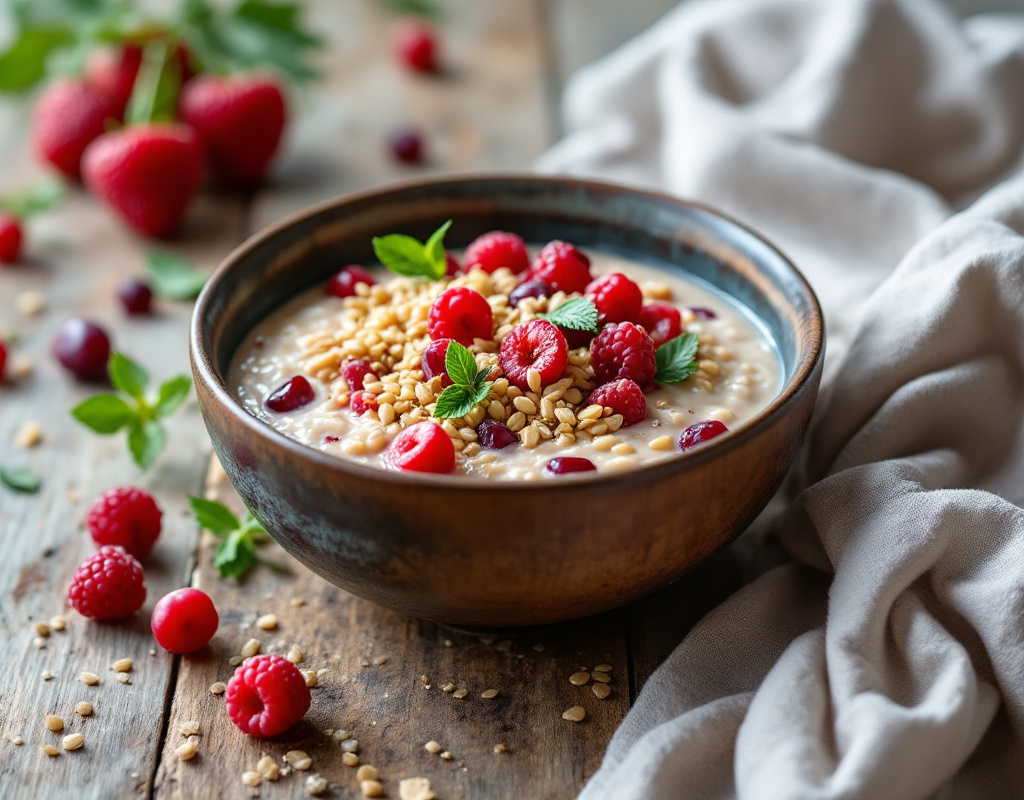
For a single bowl: mix 40 g of oat flakes, 200 ml of water or plant-based milk, 1 tsp of psyllium, and a pinch of cinnamon. Heat gently while stirring until thickened. Finish with red fruits and a few mint leaves, and enjoy a balanced and filling breakfast.
Light homemade breads with psyllium
Psyllium proves to be an excellent binder in gluten-free doughs, but also a hydration aid in classic breads. It improves texture while limiting caloric density.
| Ingredients | Quantity |
|---|---|
| Whole wheat flour | 300 g |
| Lukewarm water | 200 ml |
| Blond psyllium | 2 tbsp |
| Baker’s yeast | 1 packet |
| Salt | 1 pinch |
Method: dissolve the yeast in lukewarm water, then add the flour, salt, and psyllium. Knead for 5 minutes, let rise for 45 minutes, shape, and bake for 25 minutes at 200 °C. You get a bread with a light and soft crumb, which holds up very well to thin slices and light spreads.
Practical tips for successful recipes and adjusting dosages
Beyond basic recipes, a few habits guarantee success when working with psyllium:
- Always respect the liquid/fiber ratio: too little water and psyllium creates lumps, too much and the gelling effect decreases.
- Wait a few minutes before consuming or continuing cooking, to allow the gelation to stabilize.
- Vary plant milks and spices (turmeric, cinnamon, ginger) to diversify flavor profiles.
- Store psyllium away from moisture, in an airtight container: its gelling power can diminish when exposed to air.
FAQ
What is psyllium and how does it act on satiety?
Psyllium is a soluble fiber extracted from the seeds of Plantago ovata. Upon contact with a liquid, it forms a gel that occupies a large volume in the stomach, slowing digestion and prolonging the feeling of fullness.
How much psyllium should be used for a smoothie?
For a satiating effect without altering the taste, count on 1 to 2 teaspoons (3–6 g) per glass of smoothie. Beyond that, the texture may become too viscous.
Can psyllium replace flour in homemade bread?
Psyllium is not a flour substitute but an additive. It acts as a binder and optimizes hydration: replace at most 10% of the flour with psyllium to maintain good structure.
Does psyllium have side effects?
Taken in excess without sufficient water intake, it can cause bloating or digestive issues. Always respect dosages and drink at least 250 ml of water per spoonful of psyllium.