| Key Points | Details to Remember |
|---|---|
| 📖 Definition | Fiber-rich menu: combination of varied foods containing soluble and insoluble fibers. |
| ❤️ Health Impact | Soluble fibers help lower LDL cholesterol by capturing bile acids. |
| 🥕 Sources | Legumes, whole grains, fruits, vegetables, and blond psyllium. |
| 🕒 Distribution | 25–30 g of fiber per day, spread across each meal. |
| 🍽️ Example | Breakfast: oatmeal flakes, berries, and chia seeds. |
| 💡 Tips | Hydrate sufficiently to avoid digestive discomfort. |
| 📊 Results | Progressive regulation of cholesterol over several weeks. |
Reducing cholesterol levels through diet is not an impossible mission, but rather a matter of organization and wise choices. By focusing on a sustained intake of fiber, one can positively influence lipid metabolism without sacrificing taste or the pleasure of meals. This article sheds light on the role of fibers, the composition of a typical menu, and practical tips to embed these habits over time.
Sommaire
Why do fibers help lower cholesterol?
Dietary fibers play a somewhat little-known role in cholesterol regulation: they capture part of the bile acids in the intestine, which encourages the liver to produce more from circulating cholesterol. This “capture” limits the reabsorption of LDL cholesterol, often called “bad cholesterol,” and ultimately improves the blood lipid profile.
Beyond this specific effect, fibers slow down the digestion speed, induce a feeling of fullness, and modulate carbohydrate absorption. The result is a more stable overall balance and a potentially reduced cardiovascular risk.
Soluble and insoluble: two complementary mechanisms
Two main families are distinguished:
- Soluble fibers (oats, psyllium, certain legumes): they form a viscous gel that traps cholesterol and promotes its elimination.
- Insoluble fibers (wheat bran, green vegetables, seeds): they stimulate intestinal transit and prevent waste stagnation.
Each of these categories has its use: soluble fibers directly target cholesterol, insoluble fibers improve the texture of intestinal contents. The idea is therefore not to favor one at the expense of the other, but rather to combine them.
Gradually composing a fiber-rich menu
Integrating more fibers is not done overnight: a too rapid increase can cause bloating, gas, and discomfort. The secret lies in gradual addition, meal after meal, while ensuring to drink at least 1.5 to 2 liters of water per day.
Daily distribution and recommended amounts
Health authorities recommend 25–30 g of fiber daily. You can start by aiming for 15 g and adjust by 5 g each week. Distributing intake evenly helps maintain digestive comfort:
- Morning: 6–8 g (e.g., oatmeal flakes + fresh fruits)
- Lunch: 8–10 g (legumes, green vegetables, brown rice)
- Snack: 3–5 g (nuts, unsweetened applesauce)
- Dinner: 6–7 g (vegetable stir-fry, whole grains)
Food sources to prioritize
To optimize variety:
- Whole grains: oats, quinoa, spelt, whole wheat bread.
- Legumes: lentils, chickpeas, red or white beans.
- Fruits and vegetables: pears, apples, broccoli, Brussels sprouts rich in soluble fibers.
- Seeds and nuts: chia, flax, almonds.
For example, to boost soluble fiber intake, you can add blond psyllium to a morning smoothie, respecting usage precautions.
Sample menu for one day
| Meal | Time | Example |
|---|---|---|
| Breakfast | 8 a.m. | Bowl of oatmeal flakes, plant-based milk, raspberries, chia seeds. |
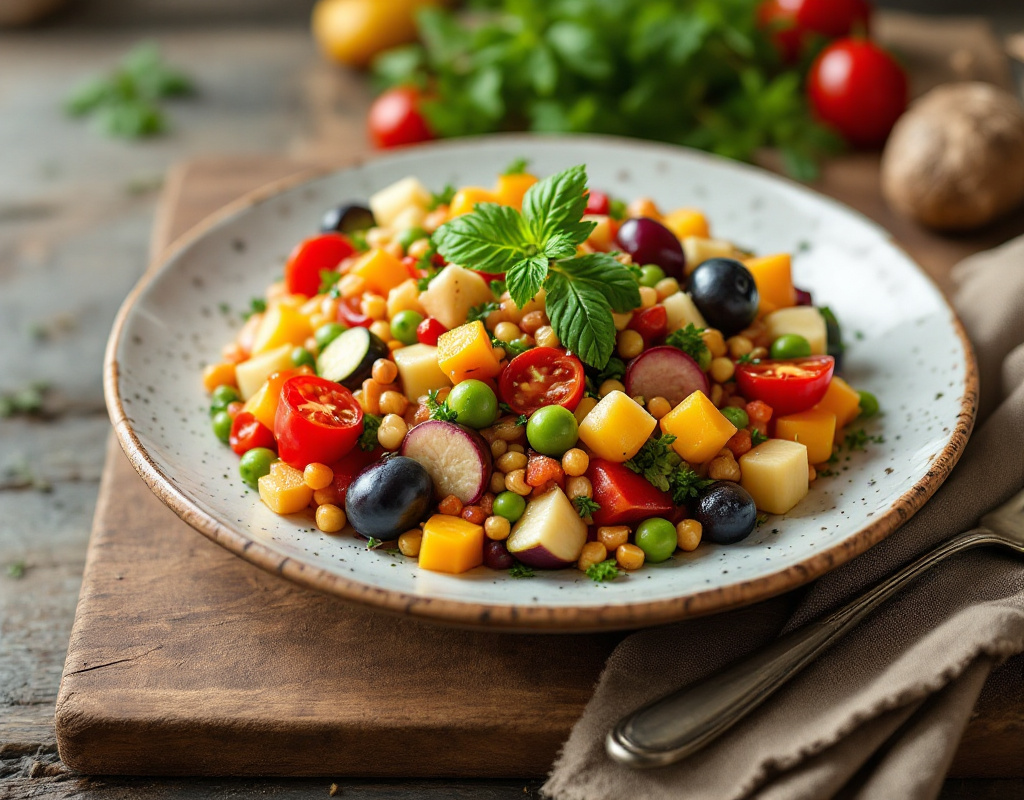
| Lunch | 12:30 p.m. | Green vegetable salad, coral lentils, quinoa, olive oil-lemon vinaigrette. |
| Snack | 4 p.m. | Unsweetened apple sauce + a handful of almonds. |
| Dinner | 7:30 p.m. | Broccoli and chickpea stir-fry, brown rice, grilled fish fillet. |
Practical tips for long-term adherence
Once the sample menu is mastered, the key is to maintain flexibility: vary flavors, introduce spices (turmeric, ginger), and play with textures to never get bored. Planning your shopping at the start of the week helps avoid giving in to ultra-processed products low in fiber.
Keeping a small logbook, noting the amounts of fiber consumed and how you feel, can be very educational. By tracking your cholesterol evolution, you will perceive more clearly the impact of these adjustments, which strengthens motivation.
FAQ
Why prioritize soluble fibers in the fight against cholesterol?
Soluble fibers form a gel in the intestine that traps bile acids. By being eliminated, these fibers force the liver to draw on blood cholesterol to produce new bile, thus lowering LDL levels.
How much fiber should one consume per day to see an effect?
Aiming for 25 to 30 g per day is a common goal. A gradual increase, in increments of 5 g per week, helps avoid digestive discomfort and bloating.
Can blond psyllium be combined with other sources of fiber?
Absolutely. Psyllium mainly acts on soluble fibers, while vegetables, whole grains, and legumes provide a good mix of soluble and insoluble fibers, maximizing the overall effect.