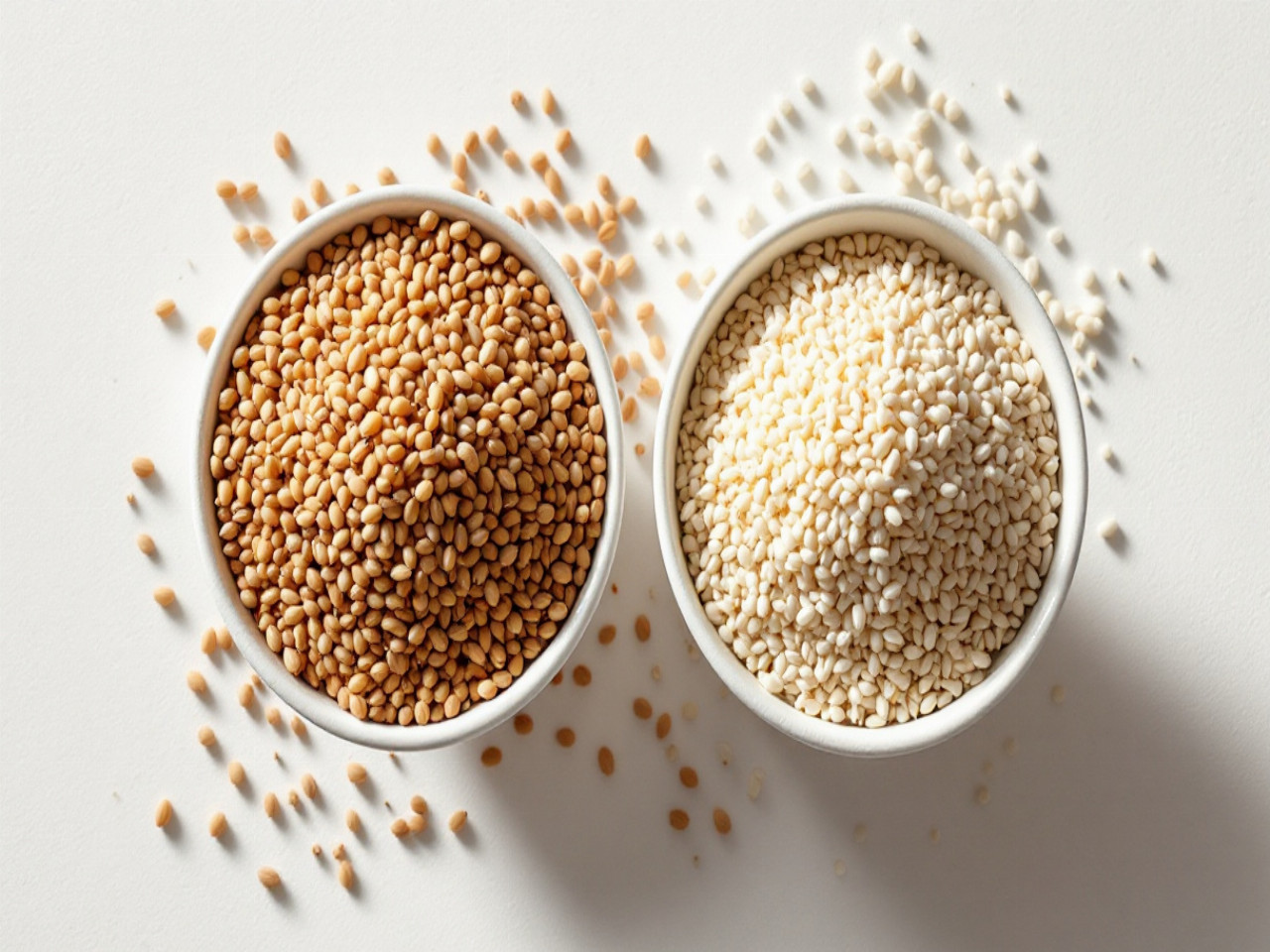
At the heart of our plates lie unsuspected treasures: natural fibers. Psyllium, flaxseed, konjac, oats… each unfolds its virtues to support digestion, modulate hunger, or regulate transit. Yet, behind this apparent simplicity hides a complex universe where nature offers a thousand fiber profiles. A comparative dive to understand the mechanisms, gauge the benefits, and identify the fiber best suited to your wellness goals.
Sommaire
Soluble and insoluble fibers: essential concepts
Before contrasting psyllium, flaxseed, konjac, or oats, it is necessary to distinguish two main families of fibers: soluble, which swell upon contact with water and form a gel, and insoluble, which retain their structure and mechanically stimulate transit. In reality, a good balance between these two types contributes to a robust intestinal flora and a lasting feeling of satiety.
The role of fibers goes beyond simple transit regulation: they influence blood sugar, lipid metabolism, and even inflammation. Colon bacteria love to feed on them, producing short-chain fatty acids beneficial for colon cells. In short, each fiber adds its note to the digestive symphony – like a conductor modulating intensity and tempo.
The benefits of regular consumption
Introducing more fiber means:
- Slowing carbohydrate absorption and stabilizing blood sugar.
- Strengthening the feeling of fullness, useful for appetite control.
- Feeding beneficial bacteria, supporting microbiota health.
- Facilitating waste elimination and preventing constipation.
Psyllium: mucous membrane pilot and water regulator
Psyllium, derived from the husks of Plantago ovata, stands out for its ability to form a very viscous gel. This property gives it a protective action on the intestinal mucosa and remarkable water regulation.
By swelling up to twenty times its initial volume, psyllium absorbs part of the digestive water. The gelled residue softens stools in case of constipation while slowing nutrient passage, which can help control glycemic spikes.
Uses and precautions
Before adopting psyllium, it is advisable to gradually adjust the dose – 5 to 10 g per day initially, up to 20 g in two doses. A too sudden intake risks causing bloating or discomfort. And above all, drink abundantly so that the gel can form without risk of obstruction.
To explore these recommendations in more detail, one can consult a comprehensive guide on blond psyllium, which breaks down culinary uses, medicinal uses, and contraindications.
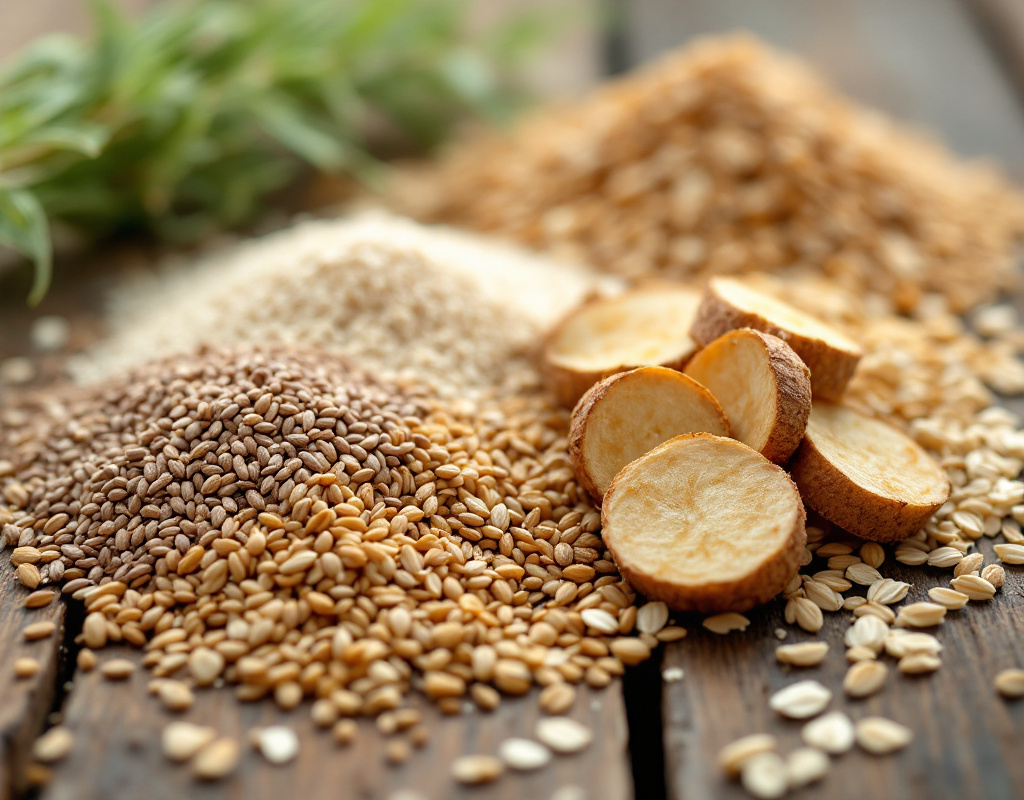
Other fibers under the magnifying glass
Flaxseed: source of omega-3 and mixed fibers
Flaxseeds contain both soluble fibers (10%) and insoluble fibers (90%). They stand out for their richness in essential fatty acids, notably omega-3. One tablespoon of seeds contains nearly 1.5 g of ALA (alpha-linolenic acid), an ally of the cardiovascular system.
In practice, flax seeds are often ground to release their active compounds. The gel they form can thicken soups, smoothies, or replace eggs in plant-based preparations. To preserve omega-3 and lignans, it is better to consume freshly ground flax and store the powder away from light and air.
Konjac: the ultra-light fiber
The konjac root mainly contains glucomannan, a soluble fiber with a very high gelling capacity. At 3 g, it can absorb up to 200 ml of water, forming a nearly transparent gel. Low in calories and tasteless, it has won over the slimming and digestive spheres.
Its intake requires sustained hydration to avoid esophageal blockages. It is found in powder form, shirataki noodles, or capsule supplements. Another advantage is that glucomannan appears to help reduce LDL cholesterol when consumed in doses greater than 4 g per day.
Oats: fibers and cardioprotective beta-glucans
Oat flakes are among the cereals richest in soluble fibers, thanks to beta-glucans. These polysaccharides form a thick gel, limiting cholesterol absorption while preserving the creamy texture of porridge.
Beyond the satiating effect, oats offer a balanced nutritional profile: plant proteins, B vitamins, and minerals (iron, magnesium). They easily integrate into sweet or savory recipes, in the form of flour, flakes, or oat bran for an even more intense fiber intake.
Comparison of key properties
| Fibers | Soluble/Insoluble | Satiation | Daily dosage | Typical uses |
|---|---|---|---|---|
| Psyllium | Mostly soluble | High (viscous gel) | 5–20 g | Transit, glycemic regulation |
| Flax | Mixed (10/90) | Medium (crunchy texture) | 10–15 g | Smoothies, bread, egg substitute |
| Konjac | Soluble | Very high | 3–4 g | Shirataki, slimming capsules |
| Oats | Soluble | Moderate (beta-glucans) | 20–30 g | Porridge, pancakes |
How to choose according to your goals?
In case of stubborn constipation, psyllium and konjac are essential for their gelling effect and tolerance. If the goal is cardiovascular action, oats and flax complement perfectly with their beta-glucans and omega-3. And for an “all-in-one” formula, mixing freshly ground flax seeds into oat porridge enriched with psyllium offers a cocktail that is both nourishing and beneficial.
Finally, taste and practicality come into play: konjac remains flavorless and transparent, while flax and oats bring a more marked organoleptic dimension.
Practical tips for successful integration
- Increase the dose gradually to allow the microbiota to adapt.
- Drink at least 1.5 L of water per day to facilitate gel formation and avoid any discomfort.
- Vary fiber sources to benefit from a broad spectrum of nutrients and effects.
- Favor raw products (seeds, flakes) and grind flax seeds just before use.
- Incorporate fibers into breakfast or snacks to maximize the satiating effect.
FAQ: quick answers to your questions
What is the main difference between psyllium and flax?
Psyllium is almost exclusively soluble, creating a very viscous gel ideal for modulating transit, while flax combines soluble and insoluble fibers and provides omega-3.
How to consume konjac safely?
Always with a large volume of water, starting with 1 g per dose, then up to 3–4 g daily, avoiding taking the dry powder directly.
What dosage is recommended for daily oats?
To benefit from beta-glucans, 30 g of oat flakes at breakfast is enough to achieve the desired cardioprotective effect.
Can several fibers be combined in the same recipe?
Absolutely. Mixing psyllium, flax, and oats in a porridge diversifies the benefits: digestion, satiety, micronutrient intake, and prebiotics.