| Key Points | Details to Remember |
|---|---|
| 🌾 Definition | Soluble fiber derived from Plantago seeds, used against constipation. |
| ⚙️ Mechanism | Gelation and stimulation of transit thanks to the swelling of mucilages. |
| 📏 Dosage | 5 to 10 g per dose, mixed in a glass of water, up to 2 times a day. |
| 🔬 Effectiveness | Clinical studies confirm an improvement in transit rhythm in 70% of subjects. |
| 💧 Hydration | Drink at least 1.5 L of water per day to avoid the risk of obstruction. |
| ⚠️ Precautions | Contraindicated in cases of intestinal stenosis or severe dysphagia. |
| 📚 Sources | Recommendations from the French Society of Gastroenterology, European pharmacopoeias. |
Constipation affects nearly 20% of the population, disrupting daily life and causing discomfort, bloating, and even fatigue. Faced with this observation, psyllium ranks among the top solutions, thanks to its natural and rapid mode of action. But how to precisely dose this fiber, which studies validate its effectiveness, and what habits should be adopted to avoid any side effects? This guide reviews the physiology of transit, the ideal preparation, the most recent clinical data, and tips to fully benefit from psyllium without trouble.
Sommaire
Mechanism of Action of Psyllium Against Constipation
Psyllium, whether blond or black, contains mucilages capable of retaining up to ten times their volume in water. These soluble fibers, once dissolved, form a viscous gel that plays a dual role: on one hand, it increases stool volume by giving it a more malleable texture; on the other hand, it activates the distension of the intestinal wall, mechanically stimulating peristalsis.
One might think that psyllium acts solely by simple “swelling,” but in reality, this gel also slightly slows the passage of digestive contents, allowing better hydration in the colon and promoting the absorption of water and mineral salts. Behind this apparent slowness lies a better-coordinated propulsion movement, less abrupt for the intestine, thus well tolerated even by sensitive individuals.
Formation of the mucilaginous gel
Upon contact with water, the mucilages of psyllium unfold and trap liquid molecules within their mesh. This phenomenon, called water retention, increases the volume of the fecal bolus. More rarely, it also captures certain toxins or irritating substances, contributing to a protective effect on the intestinal mucosa.
Stimulation of peristalsis
The distension caused by this gel sends a local nerve signal that triggers rhythmic contractions of the colon. These movements, whose frequency and intensity are modulated by the amount of gel formed, facilitate the progressive expulsion of fecal matter without excessive effort. This results in an improvement in intestinal rhythm, often measurable within 24 to 72 hours after the first dose.
Dosage and instructions for use
Knowing how to dose and prepare psyllium is crucial to reap all its benefits. Too concentrated, it can become excessively viscous, making intake unpleasant; diluted, it loses its effectiveness.
Recommended dosages
- Adults: 5 to 10 g (about 1 to 2 heaping teaspoons) per dose, 1 to 2 times a day.
- Elderly: start at 5 g/day, observe the response, then increase if necessary.
- Children (from 6 years old): 2.5 g per dose, once a day, under medical supervision.
Beyond 20 g/day, the effect may reverse and cause excessive bloating or abdominal discomfort, a sign that the fiber is blocking the intestinal lumen too much.
Preparation tips
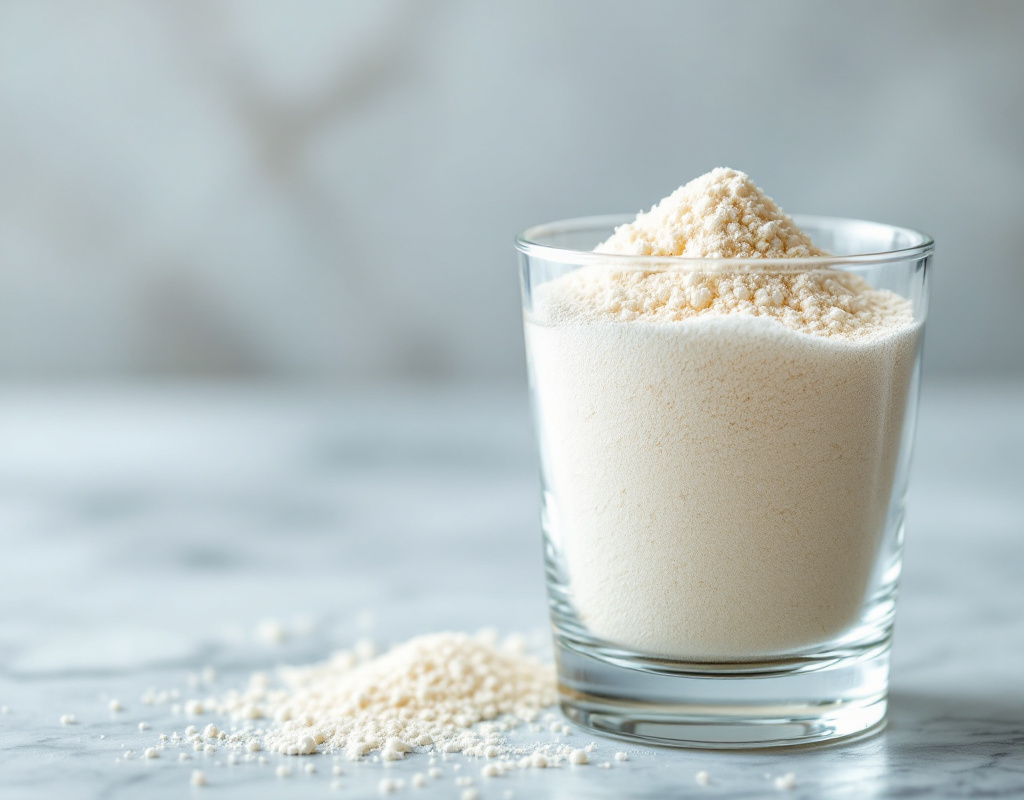
For optimal texture, mix the powder in 200 to 250 mL of fresh water or fruit juice. Wait 2 minutes for the consistency to become slightly gelled, then consume immediately before the jelly thickens completely. A little honey or agave syrup can soften the taste without reducing effectiveness.
Effectiveness and clinical studies
Several controlled trials have compared psyllium to laxatives like fiber supplements or lactulose. A study published in the Journal of Gastroenterology and Hepatology showed that after 4 weeks, the psyllium group had a 35% higher evacuation frequency compared to placebo, and increased abdominal comfort.
“Daily use of blond psyllium in 120 constipated patients led to a significant improvement in stool consistency and daily frequency” – multicenter study, 2018.
A 2021 meta-analysis pooling 8 clinical trials confirms these results: the increase in fecal volume and reduction in transit time are statistically significant. These solid data place psyllium among the reference fibers, alongside guar or inulin, with a superior tolerance profile.
Practical advice to optimize the effect
Incorporating psyllium into daily life is not limited to pouring powder into a glass of water. A few simple habits maximize its impact:
- Constant hydration: aim for 1.5 to 2 L of water per day to keep the gel fluid and avoid dehydration.
- Physical activity: walking or gentle stretching stimulates peristalsis.
- Regularity: set a daily time slot, for example, in the morning upon waking or in the evening before dinner.
- Vary forms: powder, capsules, or bars enriched with psyllium, according to preferences.
- Food mix: add it to yogurt, compote, or a smoothie to mask the texture.
There is another way to diversify fiber intake: up to 20% of psyllium can be substituted for flour in certain bread or pancake recipes, thereby increasing overall fiber content while maintaining remarkable softness.
Precautions and contraindications
Although natural, psyllium is not without risk. In case of intestinal stenosis or obstruction, its ability to form a bulky gel represents a real risk of impaction. People with swallowing difficulties (“dysphagia”) should also avoid non-prehydrated powder.
- Do not consume without at least 200 mL of liquid.
- Avoid in case of active inflammatory bowel diseases (Crohn’s, ulcerative colitis).
- Monitor patients on anticoagulant or hypoglycemic treatments (potential interaction).
For those wishing to explore the specifics of blond psyllium, a complete guide details the differences according to origin and degree of refinement.
FAQ
What is psyllium and how does it work against constipation?
Psyllium is a soluble fiber derived from the husks of Plantago seeds. By forming a gel, it increases stool volume and stimulates peristalsis, thus improving the frequency and consistency of bowel movements.
What dosage should be followed for optimal effect?
The usual dose is 5 to 10 g, twice a day, mixed with 200 mL of water. Do not exceed 20 g/day to limit gastrointestinal discomfort.
How long before seeing results?
The first effects often appear within 24 to 72 hours. Regular intake for at least two weeks is recommended to assess full effectiveness.
Are there side effects or contraindications?
In case of poor hydration, there is a risk of impaction. Psyllium is not recommended in cases of intestinal obstruction, stenosis, or uncontrolled dysphagia.