| Key Points | Details to Remember |
|---|---|
| 🌾 Definition | Psyllium: mucilaginous fibers derived from Plantago ovata |
| ⚖️ Benefits | Regulation of intestinal transit |
| 💧 Mechanism | Gelation in the intestine thanks to water |
| 🩺 Indications | Diarrhea and irritable bowel syndrome |
| 🔬 Evidence | Clinical studies demonstrating effectiveness |
| 📝 Dosage | 5–10 g up to three times a day |
| ⚠️ Precautions | Hydration essential to avoid obstructions |
Going through a diarrhea crisis or the fog of irritable bowel syndrome (IBS) that can turn every meal into a challenge, many seek plant-based solutions before turning to conventional medications. Psyllium, rich in mucilages, draws attention for its ability to regulate transit and restore digestive comfort. Understanding its mode of action, optimal dosage, and limitations can make the difference between temporary relief and a lasting improvement in quality of life.
Sommaire
Psyllium: a natural ally for intestinal comfort
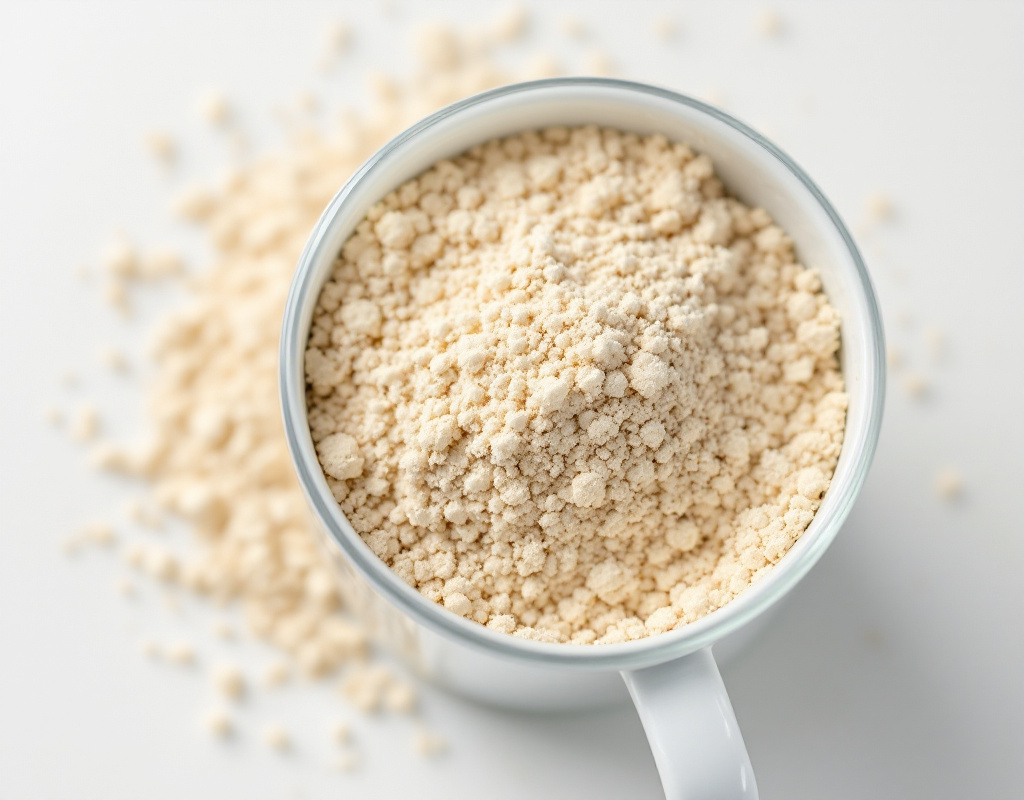
The husks of psyllium seeds, mainly from the Plantago ovata variety, contain soluble fibers capable of absorbing up to ten times their weight in water. This gelling property is striking: by swelling, psyllium forms a flexible matrix, neither abrasive nor sticky, which exerts a buffering effect on the intestinal mucosa. It has been used for decades to rebalance transit in both constipation and diarrhea cases.
A recent review published in the Journal of Gastroenterology showed that nearly 70% of patients with IBS report an improvement in abdominal pain and bloating after four weeks of supplementation. Unlike irritant laxatives, psyllium acts gently, without causing spasms or hypermotility. This adjustable nature distinguishes it from more radical treatments and gives it a preferred place among those who favor a gentle approach above all.
Mechanism of action of psyllium
Water absorption and gel formation
Upon contact with digestive fluids, the mucilages of psyllium rehydrate within minutes. The gel thus formed increases stool volume, which stimulates intestinal motility without forcing it. In people suffering from diarrhea, this same gel slows the progression of liquid contents, allowing better absorption of electrolytes and water in the colon.
Protective effect on the mucosa
The soluble fibers of psyllium create a light barrier between the intestinal walls and aggressive food residues. Like a protective film, this amorphous layer limits direct contact with irritants and prevents dehydration of epithelial cells. Several university teams have demonstrated a reduction in local inflammation after one month of regular use.
Psyllium and diarrhea: regulation and comfort
When diarrhea sets in, rapid transit decreases the absorption of nutrients and water, causing cramps, fatigue, and risk of dehydration. Incorporating psyllium into the diet helps to:
- Thicken stools through gel formation
- Slow down intestinal emptying
- Reduce the frequency of urgencies and associated discomfort
In a clinical trial involving 50 subjects with functional diarrhea, a daily intake of 10 g of psyllium resulted in an average 40% reduction in the number of liquid stools during the first two weeks. This result highlights psyllium’s ability to restore microbiota balance, probably by promoting the proliferation of beneficial bacteria.
Irritable bowel syndrome and psyllium
IBS encompasses several symptoms: cramps, alternating diarrhea-constipation, bloating, and anxiety related to intestinal experience. By modulating the viscosity of intestinal contents, psyllium acts as an adjustment variable, methodically documented in medical literature.
Scientific results
A meta-analysis of seven randomized studies concluded that psyllium reduces abdominal pain intensity by nearly 25% and improves stool consistency. This effect generally appears from the first week of supplementation, with a plateau reached after one month.
Practical integration and advice
It is often recommended to add psyllium to yogurt, applesauce, or simply a large glass of water. To vary textures, our complete guide on blond psyllium offers recipes and tips to make the most of each variety. The goal: to adapt intake to individual tolerance, by small dose increases.
Dosage and method of use
The standard dosage ranges between 5 and 10 g of dry psyllium, two to three times a day. To optimize the effect:
- Prepare the psyllium at the last moment, to avoid excessive gel formation before ingestion.
- Consume each portion with 200 to 250 ml of water or non-carbonated beverage.
- Increase the dose gradually if comfort improves without over-irritation.
A three-week escalation often allows identifying the ideal amount while limiting initial bloating. Diabetics and people on medication should space psyllium intake by two hours from their pills to avoid interaction.
Side effects and precautions
Well tolerated by the majority, psyllium can however cause gas, bloating, or, more rarely, digestive obstructions if hydration is insufficient. Some points of caution:
- Consume at least 1.5 liters of liquid per day.
- Avoid mixing with very viscous foods (thick purees, hyperconcentrated functional foods).
- Monitor any abnormal abdominal pain and consult a professional if in doubt.
People suffering from esophageal stenosis or difficulty swallowing should take psyllium in capsule form and not as loose powder.
Frequently Asked Questions
Can psyllium worsen diarrhea?
Taken in excess without enough water, psyllium can form a gel that is too dense, excessively slowing transit. Gradual dosing limits this risk.
What is the difference between blond and brown psyllium?
Blond often comes from higher quality Plantago ovata, with a slightly higher mucilage content, while brown is more economical and sometimes rougher.
When should the first effects be felt?
A change in stool consistency is usually noted from the first week, with an optimal effect after four to six weeks of regular follow-up.
Can I combine psyllium with other fibers?
Yes, synergy with insoluble fibers (wheat bran, chia seeds) can improve motility, but be careful with the overall dosage to avoid the opposite effect.