| Key Points | Details to Remember |
|---|---|
| 🌾 Definition | Plantago ovata seeds soluble in gel |
| 💪 Benefits | Regulation of transit and cholesterol |
| 🍽️ Uses | Food, supplements, and cooking |
| ⚠️ Precautions | Contraindications and possible interactions |
| 📦 Forms | Powder, capsules, whole seeds |
| 🔍 Storage | Storage in a dry place away from heat |
Blond psyllium intrigues as much as it seduces: microscopic seeds that swell into a gel capable of transforming a sluggish intestine into an active digestion engine. Long reserved for micronutrition practitioners, it now finds its place in our cupboards and glasses, carrying the promise of a more balanced transit and controlled cholesterol. Throughout this guide, we dive into its distant origins, examine its sometimes unsuspected virtues, and detail the steps to incorporate it safely into your wellness routines or homemade recipes.
Sommaire
Origin and definition of blond psyllium
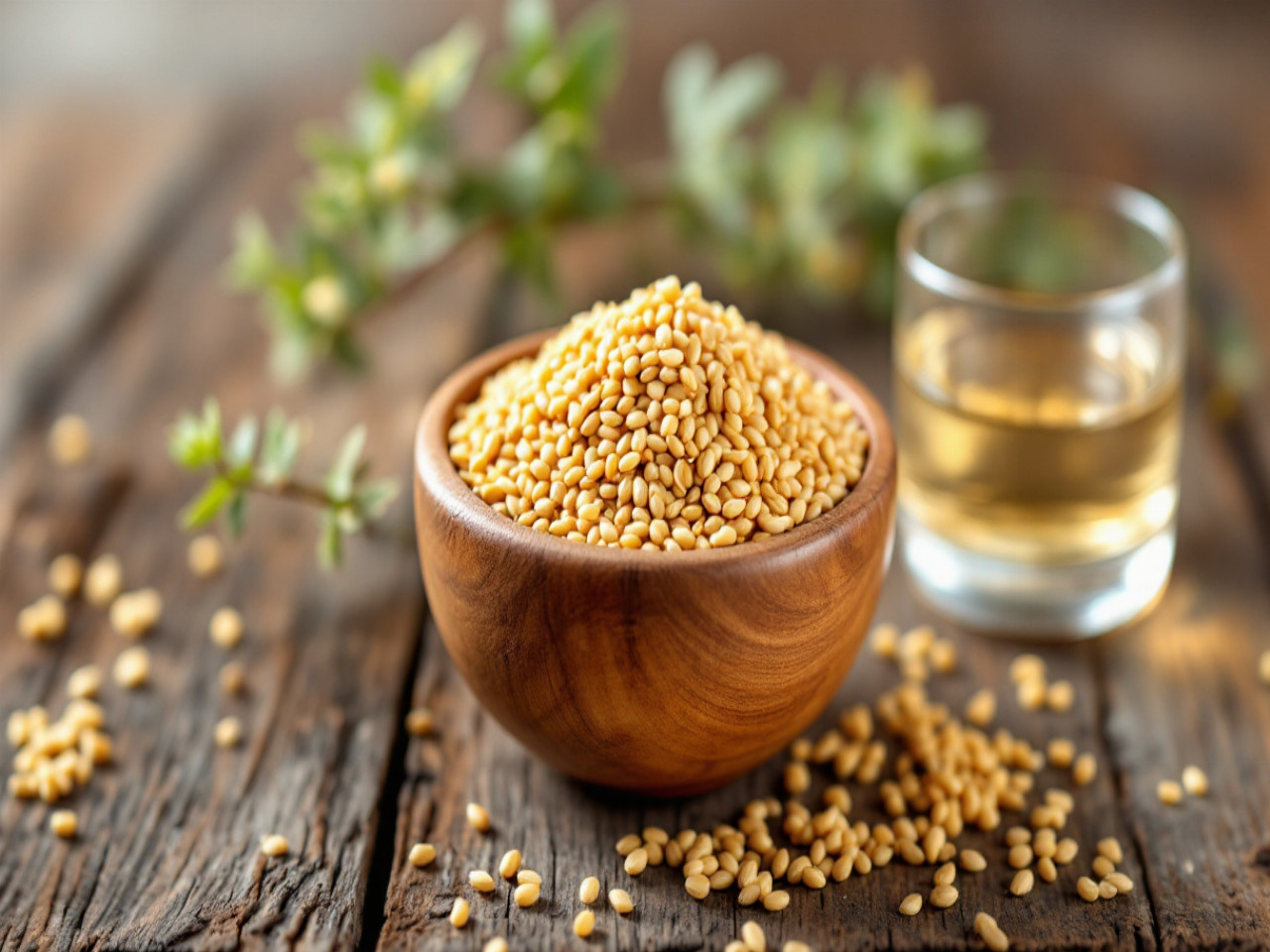
Appearing in Ayurvedic pharmacopoeia and then adopted by traditional Iranian medicine, blond psyllium comes from the seeds of Plantago ovata. These small ovules contain a coating rich in soluble fibers: upon contact with water, it swells, forms a viscous gel, and stimulates intestinal mechanics. Unlike some irritating fibers, psyllium acts gently: we are not talking about abrasive stones here, but rather a sponge capable of absorbing excess liquids or dryness according to the needs of the digestive tract.
Botanically, the blond derivative differs from brown psyllium by its higher purity in mucilages, a guarantee of tolerance. Europeans imported it in the 18th century, fascinated by its varied uses: moderate laxative, natural thickener, regulator of blood lipids… It is this versatility that has earned it the nickname “miracle fiber” in nutrition circles.

Nutritional composition and main properties
Beneath its angular coating, a blond psyllium seed concentrates nearly 70% soluble fibers. To these mucilages are added traces of trace elements: calcium, potassium, iron, magnesium… Fungi or intestinal bacteria then direct these nutrients to produce short-chain fatty acids, essential for colon health.
Physico-chemically, psyllium presents a dual interest: by absorbing up to 30 times its weight in water, it increases fecal volume without irritation. In the acidic gastric environment, the gel protects the mucosa and creates a slow barrier to digestion, moderating the glycemic peak and improving the feeling of satiety.
Health benefits of psyllium
Every microfibre counts when it comes to digestive and metabolic balance. Blond psyllium, thanks to the viscosity of its mucilage, contributes to several beneficial mechanisms that go beyond simple transit regulation.
Improvement of intestinal transit
Whether suffering from chronic constipation or periods of temporary slowdown, psyllium acts as a “gentle sieve”: it captures the necessary water and adds volume, facilitating peristalsis without sudden induction. For dosing, one often tests a teaspoon twice a day, mixed with a little water before each intake. Testimonials show a notable improvement within a few days, and sometimes up to a week to observe the full effects on regularity (effects).
In cases of better intestinal transit, the consistency of the result and the absence of tolerance are appreciated, provided sufficient hydration is maintained.
Cholesterol regulation and cardiovascular health
There is solid pharmacological evidence: in 2014, a meta-analysis demonstrated that daily intake of psyllium reduces LDL cholesterol by 5 to 10%. The gel binds to bile acids in the intestine, limiting their reabsorption and forcing the liver to produce more from blood cholesterol.
For those who wish to reduce their cholesterol, integrating this mucilage into a typical fiber-rich menu is a natural complement to classic dietary modifications.
Appetite suppressant effect and weight management
Psyllium turns into a thick gel in the stomach, delaying gastric emptying and prolonging the feeling of fullness. Its appetite suppressant effect is often mentioned during diets: combined with a balanced diet, it can reduce the urge to snack.
Dedicated recipes (smoothies, porridges, low glycemic index breads) show how to incorporate it to support a slimming project. Some even include psyllium from breakfast to delay hunger until lunch.

Practical uses and available forms
Psyllium is now available in several pharmaceutical forms, each adapted to different uses. From fine powder sachets to capsules, you can find the ideal formula according to your habits and lifestyle.
Pharmaceutical forms
- Powder: the most versatile, ideal for cooking or drinks.
- Whole seeds: to chew or infuse, for a more gradual intake.
- Capsules: precise dosage and ease of ingestion (capsules).
Before selecting your format, consult a buying guide to prioritize organic origin, appropriate dosage, and a responsible supply chain.
Some regularly compare psyllium to konjac: while both fibers swell, psyllium provides a creamier texture whereas konjac offers firmness comparable to dough.
Applications in cooking
More than just a supplement, blond psyllium is incorporated into savory and sweet preparations. It sometimes replaces egg as a binder in gluten-free breads or certain pastries.
For quick recipes, incorporate it into your recipes: flour-thickened sauces, fiber-rich breads, low GI cookies. Purists even use it in tortillas to give softness without gluten.
Precautions for use and contraindications
Despite its reputation for gentleness, psyllium requires some precautions. Its swelling capacity can cause problems if not taken with enough liquid: it must be accompanied by water to avoid esophageal blockage.
- Contraindications: digestive stenosis, severe esophagitis, history of aspiration (contraindications).
- Interactions: the gel can slow the absorption of medications, so remember to space doses by at least two hours (drug interactions).
- Side effects: bloating, flatulence, cramps at the beginning of use. A gradual introduction and increased hydration help minimize them (side effects).
Storage and practical advice
To preserve the swelling capacity and microbiological quality intact, store psyllium in an airtight container, away from light and moisture. The temperature should remain moderate, ideally between 15 °C and 25 °C.
Food-grade packaging is generally sufficient, but some transfer their daily doses into an opaque jar to avoid oxidation. Discover our tips to store psyllium longer without loss of gelling power.
FAQ
What is blond psyllium?
Blond psyllium comes from the seeds of Plantago ovata, rich in soluble fibers that swell upon contact with water to form a gel adapted to intestinal transit.
How to dose psyllium to regulate transit?
It often starts with 1 teaspoon of powder or 1 capsule, twice a day, diluted in a large glass of water, then adjusted according to tolerance and desired effect.
Are there any contraindications to psyllium?
Yes, it is not recommended in cases of swallowing disorders, esophageal stenosis, or serious history of aspiration. Insufficient hydration or digestive obstruction are also reasons to avoid it.
Is psyllium suitable for children or animals?
Under the supervision of a healthcare professional, very moderate doses can be offered to children and, in agreement with the veterinarian, to animals suffering from slow transit.
How long does it take to see the effects of psyllium?
Depending on the individual, the first effects appear between 2 and 7 days. Regular use for 3 to 4 weeks often establishes a stable intestinal rhythm (how long to see effects).
Can psyllium be replaced by other natural fibers?
Chia seeds, flaxseed, or inulin are often compared to psyllium. Each has its specificities: viscosity, taste, impact on the microbiota.