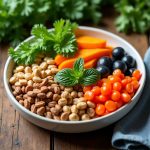
Are you looking to maintain a steady energy level throughout the day without giving in to sweet cravings? I have found eight superfoods that combine taste pleasure with blood sugar regulation, helping you rediscover your vitality without insulin shocks. Here, we set aside fast sugars to favor nutrients that release their energy slowly, while providing you with vitamins, minerals, and omega-3s. Get ready to incorporate sometimes little-known but always accessible ingredients, and to vary your snacks, smoothies, or breakfasts with concrete and delicious solutions.
Sommaire
Understanding the Benefits of a Low Glycemic Index
When we think of energy, we often imagine a strong coffee or a chocolate bar. Yet, these choices promote a temporary boost, usually followed by even greater fatigue. A low glycemic index (GI) food digests more slowly, gradually releasing glucose into the blood. The result: you feel alert longer, without that famous “slump” at 11 a.m. or late afternoon. Besides better blood sugar control, there is also a prolonged feeling of fullness and finer appetite regulation.
The 8 Superfoods for Lasting Energy
1. Chia Seeds
With their gelatinous texture, chia seeds quickly become a breakfast staple. Rich in insoluble fiber, they slow sugar release and improve digestion. Their omega-3 profile (alpha-linolenic acid) also supports cardiovascular health. They can be incorporated into a plant-based milk pudding, mixed with fresh fruits, or sprinkled over a crunchy salad. In terms of protein content, they have a very respectable level, especially since they contain all essential amino acids.
2. Matcha
Matcha, a Japanese green tea powder, stands out with a unique combination: gentle caffeine, relaxing L-theanine, and a concentration of antioxidants (catechins). The energy released is more sustained than an espresso, without nervousness or sudden crashes. A cloud of matcha in almond milk or porridge turns your drink into a morning booster. Note that its ritual preparation—bamboo whisk and hot water—takes a few moments but establishes a beneficial pause to start the day.
3. Quinoa
Called the “Inca rice,” quinoa is actually an amazing protein-rich seed. Lower in carbohydrates than most cereals, it offers a medium GI and a complete amino acid profile. Whether in a warm salad, as a patty, or as flakes for homemade granola, it adapts to all desires. I like to compare its role to that of a cushion: it cushions glycemic variations and serves as a satisfying base before physical or intellectual effort.
4. Spirulina
This blue-green microalga, often consumed in flakes or tablets, concentrates proteins, iron, and B vitamins. By itself, it does not provide carbohydrates but stimulates cellular metabolism and energy production. You can dilute it in fresh fruit juice (apple, cucumber, lemon) or add it to a green smoothie. However, be careful about quality: prefer certified spirulina from small artisanal sources to avoid contamination.
5. Sweet Potato
Unlike the regular potato, the sweet potato develops a natural sweetness attributed to complex sugars. It contains beta-carotene, a precursor to vitamin A, as well as soluble fibers. Roasted in the oven with a touch of olive oil and spices, it becomes a comforting “energy pump,” ideal for replacing bread. To balance the meal, I often pair sweet potato cubes with legumes, which provide a slow carbohydrate and protein base.
6. Goji Berries
Originating from the Himalayas, these small red berries have made their way into organic supermarkets. Beyond their slightly tangy taste, they offer a concentrate of polyphenols and carotenoids, some of which scientists attribute antioxidant properties more powerful than those of cranberries. I slip a handful into plain yogurt or infuse them in warm water before heading out on a hike: they boost while hydrating.
7. Dark Chocolate (70% and above)
Dark chocolate rich in cocoa is not limited to gustatory pleasure. The flavonoids it contains act on microcirculation and can improve concentration. Its glycemic index is moderate, especially if the cocoa percentage exceeds 70%. You can consume it as a square, incorporate it into a light avocado mousse, or grate it over sautéed fruits for a dessert without excess sweetness.
8. Almonds and Nuts
Crunching a few almonds or Brazil nuts offers your body unsaturated fatty acids, vitamin E, and minerals (magnesium, selenium). Their slow chewing delays carbohydrate absorption and reduces appetite. I particularly enjoy a homemade mix: hazelnuts, almonds, cashews, enhanced with pumpkin seeds, for an ultra-practical snack to slip into your pocket.
Comparison of Glycemic Indexes and Key Benefits
| Superfood | Approximate GI | Main Benefits | Consumption Mode |
|---|---|---|---|
| Chia | 1 | Fiber, omega-3, protein | Pudding, salad topping |
| Matcha | 0 | Mild caffeine, antioxidants | Beverage, smoothie |
| Quinoa | 53 | Complete proteins | Salads, patties |
| Spirulina | 0 | Protein, iron, plant-based B12 | Juices, smoothies |
| Sweet potato | 44 | Beta-carotene, fiber | Roasted, mashed |
| Goji | 54 | Polyphenols, vitamin C | Yogurt, infusion |
| Dark chocolate | 23 | Flavonoids, magnesium | Square, dessert |
| Almonds | 0 | Vitamin E, minerals | Snack, plant-based milk |
Easily Incorporate These Superfoods into Daily Life
- For breakfast: quinoa porridge with chia seeds, topped with fresh fruit compote.
- As a portable snack: a handful of almonds and goji berries, to slip into a zippered bag.
- Before mental effort: a homemade matcha latte, accompanied by a square of dark chocolate.
- As a single dish: warm sweet potato and quinoa salad, enhanced with spirulina and spinach shoots.
- For quick snacks, you can check out our ideas for 8 superfood-enriched snacks.
Some Points of Caution
Incorporating these ingredients sometimes requires a short adaptation period: spirulina can leave a strong taste, while the texture of chia seeds surprises at first try. So start with small portions, then gradually increase. Be careful of allergies or taking certain medications (anticoagulants, for example, with ginger or turmeric often associated with recipes). Finally, diversify: no superfood is a miracle solution; it is the synergy of a balanced diet and an active lifestyle that maintains lasting energy.
FAQ
- What is the best time to consume these superfoods?
- In the morning or mid-afternoon, to cushion the energy drop. The fiber and protein also help to start the next meal without cravings.
- Can they replace a complete meal?
- Partly: a quinoa salad enhanced with sweet potato and vegetables makes a nourishing dish. However, aim for balance by combining proteins, fats, and low-GI carbohydrates.
- Are there any contraindications?
- Always check for possible allergies, especially to nuts. People with moderate hypothyroidism should limit consumption of turnips or cabbages, not mentioned here but sometimes present in green smoothies.