One might think that an herbal tea always involves a boiling infusion, but cold maceration removes bitterness and reveals unsuspected properties. By macerating your plants in fresh water, you obtain a mild beverage, naturally rich in soothing active ingredients. This tutorial details each step to create your own relaxing drink, from choosing the plants to storage, including tips validated by herbalists. You will discover how to optimize the content of relaxing compounds, vary plant synergies, and customize your blends according to your lifestyle.
Sommaire
Why Favor Cold Maceration?
Principle and Benefits
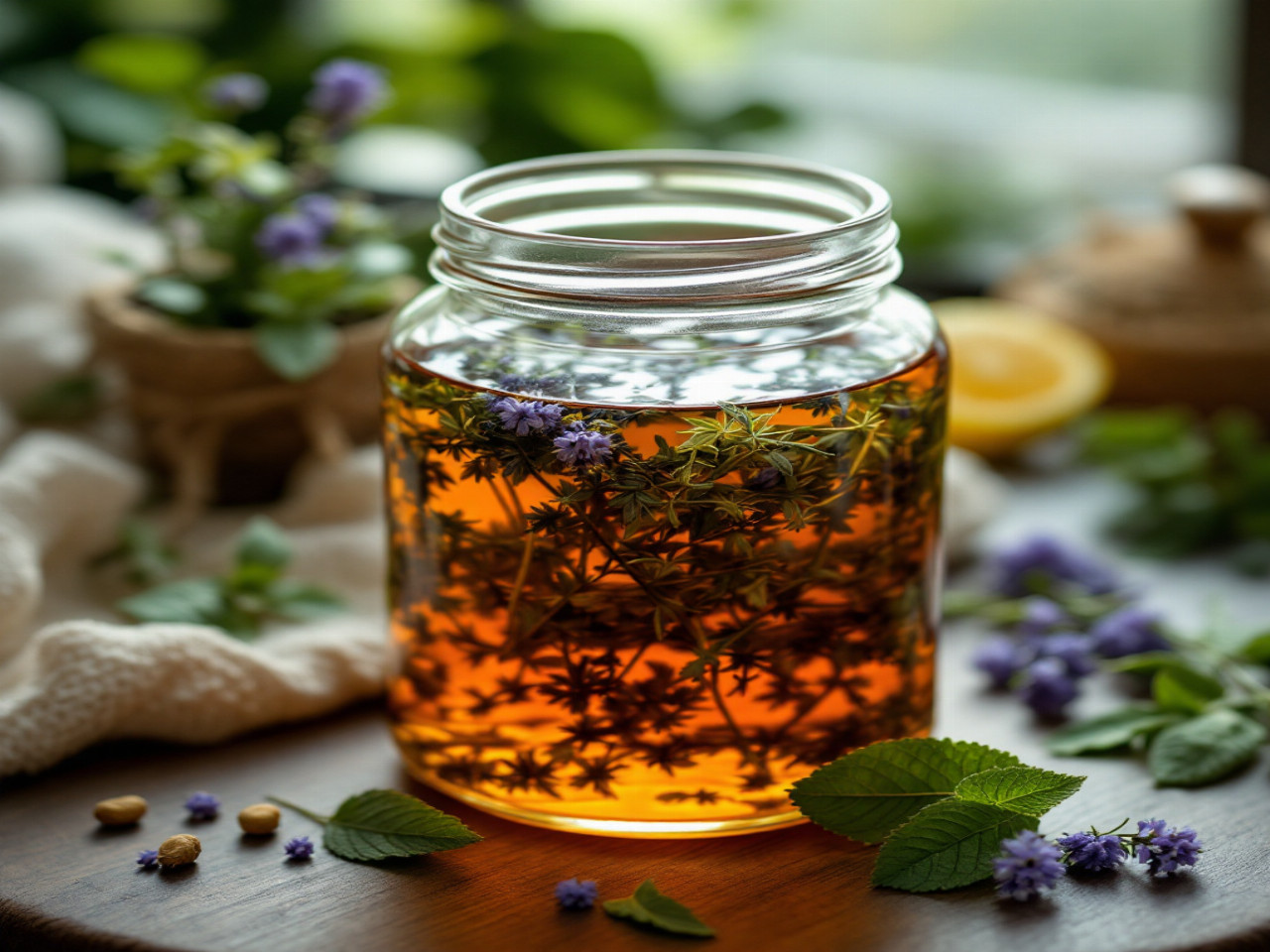
Maceration consists of soaking plants in an aqueous base, usually at room temperature or in the refrigerator. Unlike traditional infusion, this method avoids excessive extraction of tannins and bitter compounds. Result: a milder taste but also better preservation of volatile molecules, notably the essential oils of chamomile or linden, which evaporate with heat. In this sense, maceration is more like a gentle concentration, almost meditative, where each drop holds a delicate aromatic bouquet.
Comparison: Infusion versus Maceration
| Criterion | Hot Infusion | Cold Maceration |
|---|---|---|
| Taste | Sometimes bitter | Mild and floral |
| Aromatic Extracts | Essential oils partially lost | Preserved intact |
| Preparation Time | 5–10 minutes | 6–12 hours |
| Storage | 1–2 days | 3–5 days |
Relaxing Plants to Macerate
Valerian: The Ally of Deep Relaxation
Renowned for its sedative properties, valerian acts on the central nervous system. In dried root form, it is ideally suited for maceration. The result manifests as a slight bitterness balanced by the overall mildness of the blend, especially if you add a few lemon balm leaves.
Roman Chamomile: Floral Fineness
Chamomile flowers diffuse slightly sweet notes and are particularly gentle on the stomach. When you let them infuse cold, they release anti-inflammatory flavonoids that promote muscle relaxation before bedtime.
Linden: A Soothing Breath
Linden bracts gently open during maceration, releasing a scent reminiscent of a relaxing afternoon under a tree. In synergy with chamomile, it creates an aromatic alchemy both gentle and comforting.
Other Suggestions
- Lemon balm: slightly lemony, perfect for support.
- Passionflower: provides a calming effect on racing thoughts.
- Lavender: a few flowers are enough to enhance the aroma and calm the mind.
Essential Equipment and Ingredients
Choosing Quality Plants
To fully exploit the active ingredients, favor organic plants or those from controlled cultivation, dried in a ventilated environment. Do not hesitate to source from a local herbalist: you will benefit from personalized advice and seasonal harvests, guarantees of richness in aromatic molecules.
Equipment to Gather
- A wide-mouth glass jar with an airtight lid.
- A tea filter (fine mesh) or cheesecloth for filtration.
- A precision scale (optional but recommended).
Water Quality and Storage
Water directly influences extraction: choose low-mineralized water, ideally drawn from a spring or filtered. Store your maceration in the refrigerator, away from light. Adding a teaspoon of honey can also serve as a natural preservative while softening the taste.
Detailed Tutorial Steps
1. Dosage and Preparation
The classic dosage is around 10 g of dried herbs for 500 ml of water. You can adjust according to your sensitivity: a more concentrated blend starting at 15 g/500 ml if you are looking for a stronger effect. Place the herbs in the jar, slowly pour the water, then seal tightly. Shake gently to homogenize the mixture.
2. Maceration Time
Let rest between 6 and 12 hours. For a subtler effect, 6 hours is sufficient, but if you want increased potency, count on 10 to 12 hours. In summer, a fresher flavor emerges when done in the refrigerator.
3. Filtration and Bottling
After maceration, strain the liquid through a tea filter or cheesecloth. Collect the brew in a carafe or directly into tinted glass bottles. Remember to label with the date and the herbs used. Once opened, consume your blend within 3 to 4 days.
Herbalist Tips and Tricks
Optimizing Plant Synergy
By combining two or three complementary plants, you enhance the relaxing effect without overloading the palate. For example, chamomile + passionflower to calm the mind, or valerian + lemon balm for muscular and mental soothing.
Flavor Variations
To break monotony, you can add orange zest, a cinnamon stick, or a piece of ginger root. These little touches create surprising combinations while bringing new active principles.
Time to Enjoy
Some find it interesting to pair this drink with a ritual such as meditation or a short reading before bedtime. The intention put into the preparation also plays a role in the perception of the relaxing effect.
FAQ
Should the maceration always be kept in the refrigerator?
Yes, cold slows bacterial growth and preserves the freshness of the aromas. Outside the refrigerator, the drink rarely keeps for more than 24 hours.
Can I use fresh herbs instead of dried ones?
Fresh herbs contain more water and require a longer maceration time (up to 24 hours). In practice, dried herbs offer better aromatic results and simplified dosing.
How long before bedtime should I drink my herbal tea?
Ideally, 30 to 45 minutes before slipping under the covers. This allows time for the active ingredients to be absorbed without the risk of nighttime awakenings to go to the bathroom.
Are there any contraindications?
In case of pregnancy, breastfeeding, or medication use, consult a healthcare professional. Some plants like valerian are not recommended in these contexts.