Introduction
Among the oldest medicinal plants still used today, Ginkgo biloba stands as a monument. With its fan-shaped leaves and millennia-old history, this sacred tree from Asia continues to fascinate. But behind the tradition, what does science say? And above all, can one really improve concentration, memory, or circulation thanks to a plant? In this article, we offer you a deep, rigorous, and accessible dive into the world of Ginkgo, with an EEAT and SEO-friendly approach. 🧩
1. What is Ginkgo biloba? 🌳
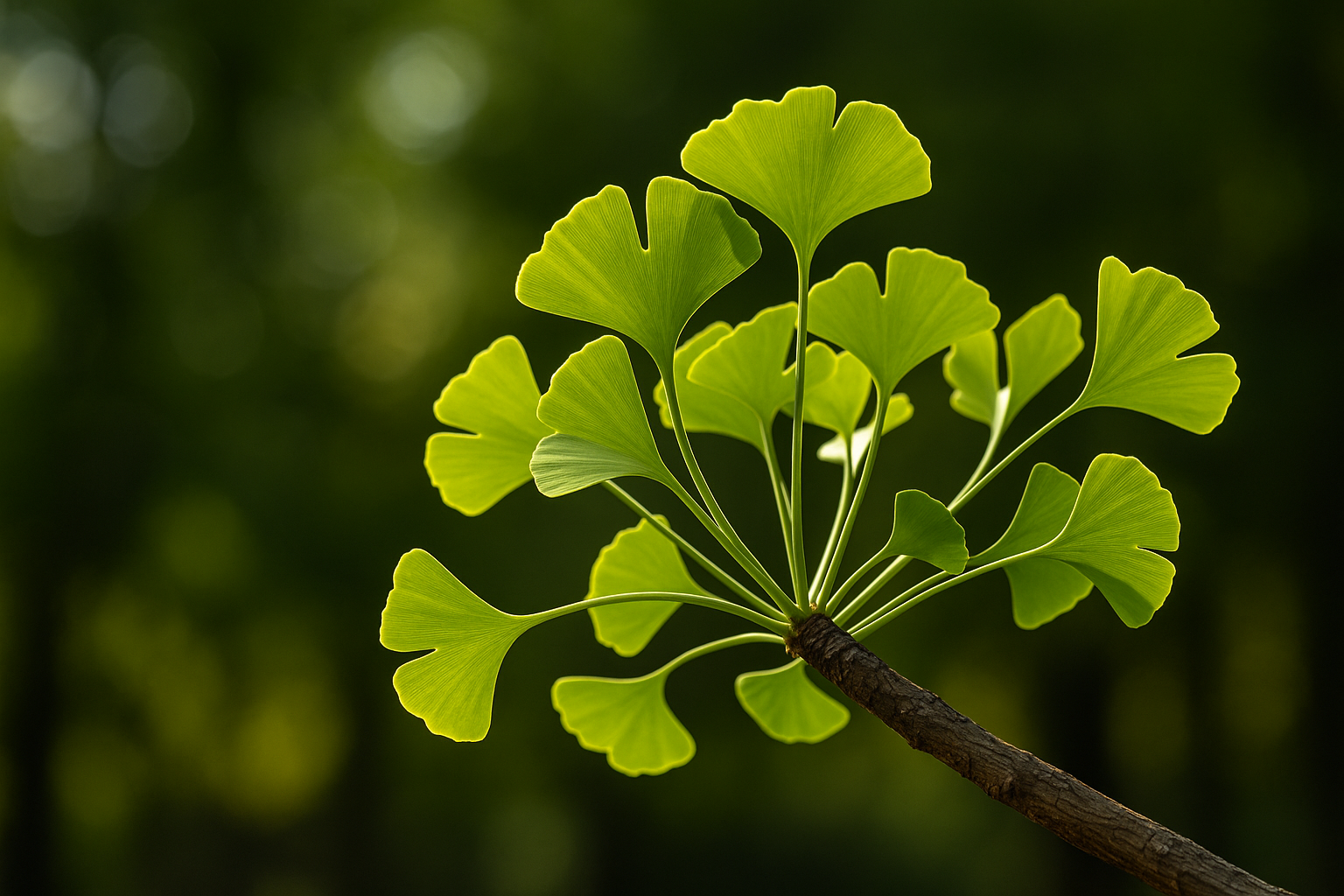
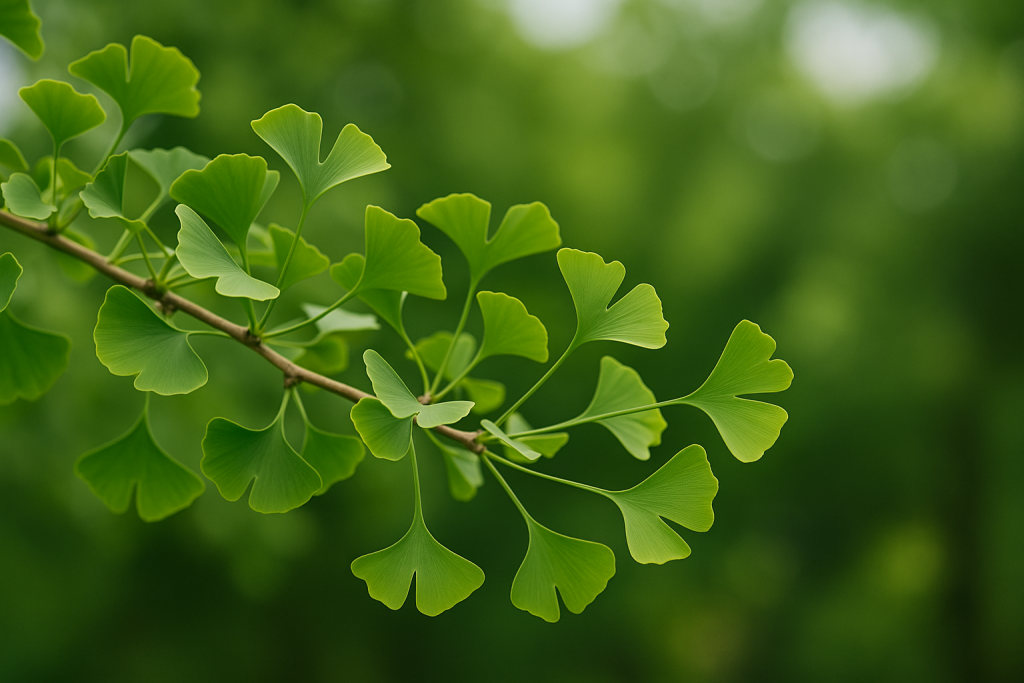
Ginkgo biloba is one of the oldest trees in the world: it already existed in the era of the dinosaurs! Its bilobed leaves give it a look recognizable among thousands. Used for centuries in traditional Chinese medicine, it is reputed to support brain functions and circulation.
It is the standardized leaf extract (often titrated at 24% flavonoids and 6% terpene lactones) that is used in modern supplements. And it is precisely this concentration that makes all the difference in terms of effectiveness.
2. Why take Ginkgo? 🧠⚡
Ginkgo is best known for its cognitive effects. It improves cerebral microcirculation, which promotes the supply of oxygen and nutrients to the brain. Result? Better concentration, more mental clarity, and strengthened long-term memory.
But that’s not all: it is also studied for its effects on peripheral circulation, especially in people suffering from heavy legs, vascular-origin hearing disorders, or dizziness.
Some also use it to prevent cognitive aging, or even as support in cases of mild to moderate dementia.
3. Who is it recommended for? 🎯
Ginkgo may interest:
- Students during exam periods or professionals under mental overload
- Older adults wishing to maintain their memory
- Those suffering from peripheral circulatory disorders
- Those facing concentration disorders, mental fatigue, or tinnitus related to poor circulation
⚠️ It is not recommended for people on anticoagulant treatment without medical advice.
4. How to consume it? 💊
Ginkgo is mainly available in capsules, tablets, or tincture. The standard dosage is about 120 to 240 mg per day, divided into 2 to 3 doses.
To feel a lasting effect, it generally takes 3 to 6 weeks of continuous intake. It is a foundational plant, not an immediate stimulant.
🔁 Courses can be done over 2 to 3 months, with a one-month break afterward.
5. What Science Says 🔬
There are many studies, some well conducted. Ginkgo has demonstrated:
- An improvement in working memory
- Better resistance to cerebral oxidative stress
- A reduction in symptoms of dizziness and tinnitus of vascular origin
- A positive effect on cognitive performance in seniors
However, not all effects are universal, and the quality of the extract is crucial.
6. How to Choose It Well? 🧐
The Ginkgo market is vast, but not all products are equal. Here’s what to check:
- Standardized extract (EGb 761): this is the most studied form
- Active content: minimum 24% flavonoids, 6% terpene lactones
- Controlled origin: pesticide-free cultivation, purity analyses
- Suitable galenic form: gastro-resistant capsules or tablets for better absorption
👉 Transparency, traceability, effectiveness: the winning triad for a good product.
7. User Testimonials 🗣️
“I took it during my exam revisions, it really helped me stay focused.” “I am a senior, and I take it every autumn. I feel like my memory stays sharper.” “Less dizziness, and my tinnitus is less bothersome. I feel reborn.”
Effects can be subtle at first, but they establish themselves durably with a well-conducted course.
8. Precautions & Side Effects ⚠️
Well tolerated, Ginkgo can however cause:
- Headaches
- Gastrointestinal disorders
- Mild bleeding (rare, but possible)
⚠️ To be avoided in case of scheduled surgery or taking anticoagulants. Always consult a healthcare professional.
Special Ginkgo biloba FAQ 🙋♂️🙋♀️
Does Ginkgo act immediately? No, it works over time. Expect 3 to 6 weeks for clear effects.
Can it be combined with other plants? Yes, but beware of poorly dosed mixtures. Bacopa, Rhodiola, or Griffonia can be complementary if well combined.
Should it be taken in the morning or evening? Preferably in the morning and at noon. It can be slightly stimulating.
Does it help with anxiety? Indirectly yes, by reducing mental fatigue and improving mental clarity.
Conclusion: A Classic That Keeps Its Promises 🌿
Ginkgo biloba has stood the test of time for a good reason: its effects on circulation and cognition are real, measurable, and valuable in a world where our brain is overstimulated.
Without promising miracles, but with consistent action, it deserves its place in a wellness routine focused on concentration, memory, and vascular health.
👉 A natural classic to adopt without haste, but with conviction.