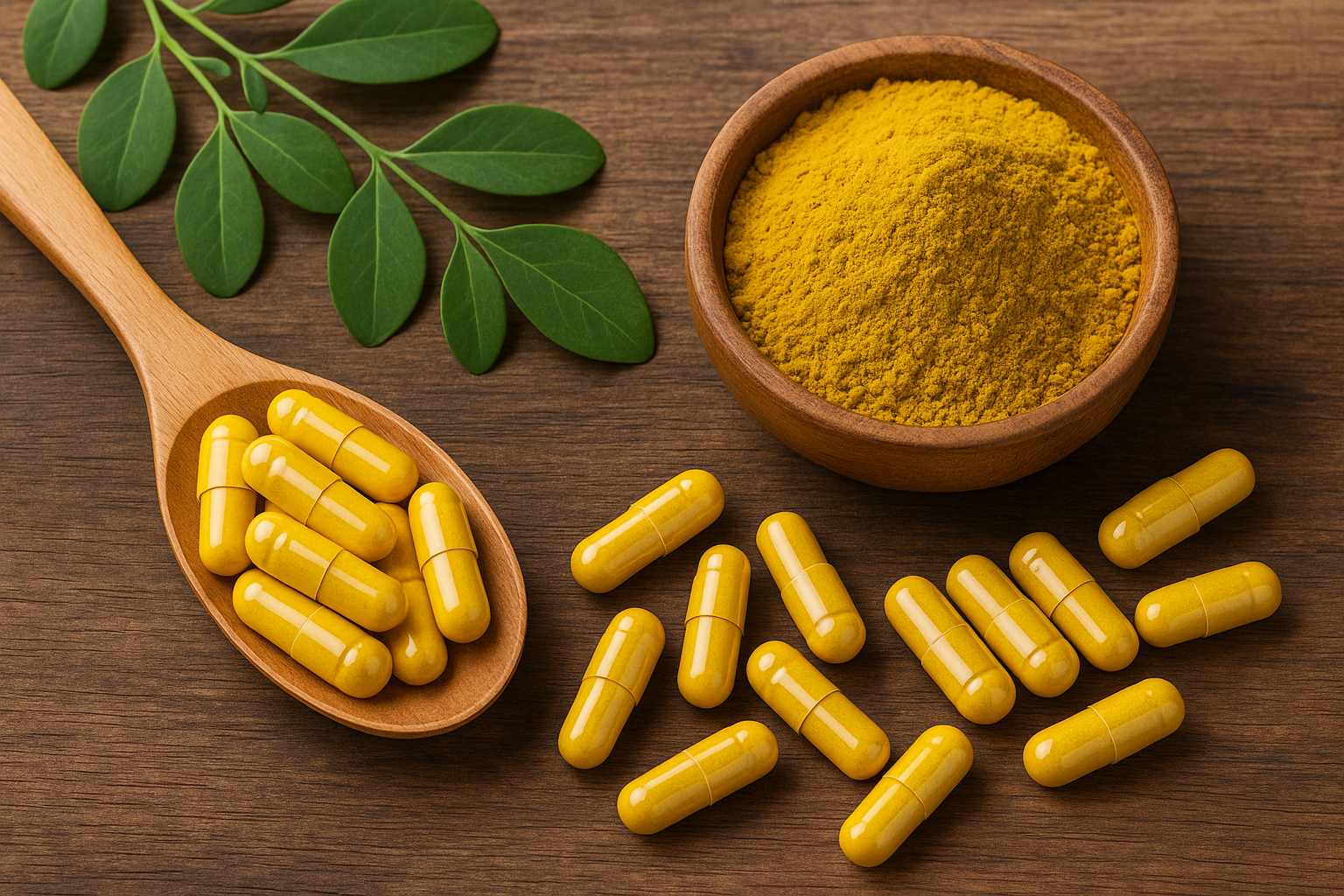
It intrigues, it divides, it gets people talking: berberine is undoubtedly one of the most serious dietary supplements currently available. Known since Antiquity, it is making a comeback thanks to recent scientific research that finally validates its multiple benefits. Blood sugar, weight loss, inflammation, cholesterol… it works on all fronts. Ready to discover what science really says, no bullshit, but with a touch of fun? Let’s go!
A millennial history, between East and West
Before establishing itself in our organic aisles or on diabetic forums, berberine has traveled through millennia. Derived from Berberis (notably Berberis vulgaris and aristata), this molecule is mentioned in Ayurvedic medical treatises and in ancient Chinese medical texts. In India, it was used against intestinal infections, fever, and to cleanse the blood. In China, it was recommended to treat gastrointestinal disorders, liver diseases, and eye infections.
It was in the 1980s-1990s that the first Western studies began to take an interest in its metabolic potential, with promising results. The West then rediscovered what the East already knew.
What exactly is berberine?
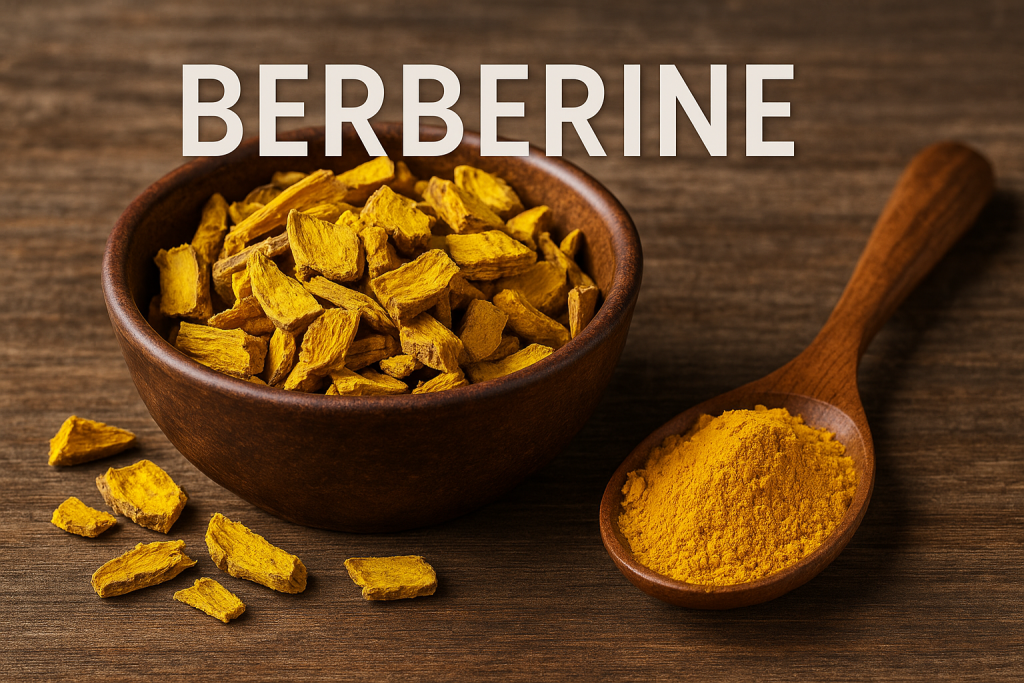
Berberine is a natural alkaloid extracted from several medicinal plants, notably Berberis aristata. Chemically, it belongs to the protoberberine family. It appears as a bright yellow powder with a very bitter taste. This compound is capable of acting on a multitude of metabolic pathways: cellular energy, inflammation, fat storage, insulin sensitivity, gene expression…
It is therefore a “versatile” active supplement, but also complex, which must be used intelligently.
What science says: the key benefits of berberine
1. Blood sugar regulation — a natural anti-diabetic?
This is THE area where berberine impresses the most. Several randomized controlled studies have shown significant reductions in fasting blood glucose, HbA1c, and insulin resistance in pre-diabetic or type 2 diabetic patients. A 2012 meta-analysis (Dong et al.) covering 27 clinical trials reports an average 0.9% decrease in HbA1c, a result close to that obtained with metformin.
Its main mode of action involves activating AMPK, an enzyme nicknamed the “metabolic switch.” This increases glucose uptake by muscle cells, reduces glucose production by the liver (anti-diabetic effect), and improves insulin sensitivity.
“Berberine exhibits glycoregulatory effects comparable to metformin, with a better tolerance profile in some patients” (Zhao et al., 2015).
In China, it is sometimes prescribed in conventional medicine as an alternative or complement to metformin. That says a lot about its potential impact.
2. Metabolic syndrome: inflammation, visceral fat, blood pressure
Berberine acts deeply on the entire metabolic syndrome: it reduces abdominal fat, improves the lipid profile (LDL, triglycerides), lowers blood pressure, and regulates inflammation markers such as CRP or IL-6. A 2010 Korean study (Lee et al.) showed an improvement in the overall metabolic score in overweight patients after 3 months of treatment.
These synergistic effects make berberine particularly interesting for people at cardiovascular risk or with prediabetes.
3. Potential role in weight loss
Weight loss induced by berberine is not based on an artificial appetite suppressant effect, but on better glucose utilization and reduced lipogenesis. Cells become sensitive to insulin again, which decreases fat storage.
In patients with abdominal obesity, the effect is noticeable: reduced waist circumference, stabilized appetite, reduction of visceral fat. However, be careful: effectiveness depends on consistency and an appropriate diet.
4. Cholesterol and triglycerides: cardiovascular support
Berberine increases the expression of LDL receptors in the liver, which promotes the elimination of blood cholesterol. A 2004 study (Kong et al.) highlighted a 25% reduction in LDL-C in hypercholesterolemic patients. Interesting: its action is complementary to statins.
Usage advice — For an effective treatment
Recommended dosage: 500 mg, 2 to 3 times a day, 15 minutes before main meals.
Half-life: short (about 4 hours), hence the interest in splitting doses.
Duration of treatment: 8 to 12 weeks, followed by a 1 to 2 week break to reset receptor sensitivity.
Available forms:
- Pure extract standardized at 97%
- Capsules with NAC, milk thistle, or curcumin
- Powders to dilute (less common)
Pro tip: Combined intake with alpha-lipoic acid or chromium enhances the effect on insulin resistance.
Side effects and precautions
Although natural, berberine remains potent. Here are the precautions to keep in mind:
- Pregnant or breastfeeding women: not recommended, potential risk for the fetus.
- Ongoing treatments: consult a doctor. Possible interactions with:
- metformin
- statins
- antihypertensives
- anticoagulants
- Possible side effects:
- Nausea
- Constipation
- Headaches
In 90% of cases, they disappear within a few days. Start slowly if you are sensitive.
Berberine or Metformin? Quick Comparison
| Criterion | Berberine | Metformin |
|---|---|---|
| Origin | Natural (plant) | Synthetic (medication) |
| Mode of action | Activation of AMPK | Activation of AMPK |
| Side effects | Less | Frequent (diarrhea, bloating) |
| Prescription required? | No (dietary supplement) | Yes |
| Average cost | €15–30 / month | Reimbursed |
| Digestive tolerance | Very good (if properly dosed) | Variable depending on patients |
In conclusion: should you adopt it?
If you have type 2 diabetes, are pre-diabetic, or have blood sugar issues, berberine can clearly be part of your strategy. It is neither a miracle plant nor a harmless gentle medicine. It is a serious tool, scientifically validated, that must be taken with rigor.
It perfectly fits into a comprehensive metabolic health approach: anti-inflammatory diet, regular physical activity, stress management… The key is to see it as a lever, not a miracle solution. If you try it, track your blood sugar levels, observe how you feel, and review after 3 months. You might be amazed.
Berberine FAQ ❓
Can berberine and metformin be combined? Yes, but only under medical supervision. There can be a cumulative effect on blood sugar.
Can it replace an antidiabetic treatment? No. It can be an adjunct, not a substitute. Always seek medical advice.
Does it work for losing belly fat? Partly, by reducing insulin resistance. But it is not an instant fat burner.
When are the effects felt? Within the first weeks. But the real effects stabilize after 2-3 months of use.
Where to buy good berberine? Prefer brands with standardized extracts at 97%, certified solvent-free. Examples: Nutrixeal, Nutrivie, HSN.
Can it be combined with alpha-lipoic acid? Yes, it is even a very effective combination for glycemic control.