| Key Points | Details to Remember |
|---|---|
| 🌿 Geographic Origin | Inspired by the eating habits of Cretan and Greek populations |
| ❤️ Main Benefit | Scientifically proven reduction of cardiovascular risks |
| 🥗 Typical Composition | Plants > animal products: 60% vegetables, 30% lean proteins, 10% sugars |
| 🕒 Notable Effect | Improvement of inflammatory markers in 8-12 weeks |
| 🧠 Cognitive Advantage | Slowing of age-related brain decline |
| ⚖️ Weight Loss | Secondary result of better metabolic regulation |
Imagine a diet where every meal celebrates the freshness of local products, where olive oil flows abundantly, and where fish competes with colorful vegetables. This is not a gastronomic tale, but the daily reality of the Mediterranean diet. Far more than a passing trend, this way of eating draws its roots from the culinary traditions along the Mediterranean shores, especially in Crete and southern Italy. Epidemiological studies from the 1950s revealed surprising longevity and a low incidence of heart disease in these regions, sparking worldwide scientific interest. Today, research confirms its virtues: cardiovascular protection, diabetes control, and even preservation of brain functions. I invite you to demystify this dietary model together, understand its mechanisms of action, and above all, equip yourself with a concrete plan to integrate it into your life.
Sommaire
The Mediterranean Diet Decoded: Much More Than a Simple Diet
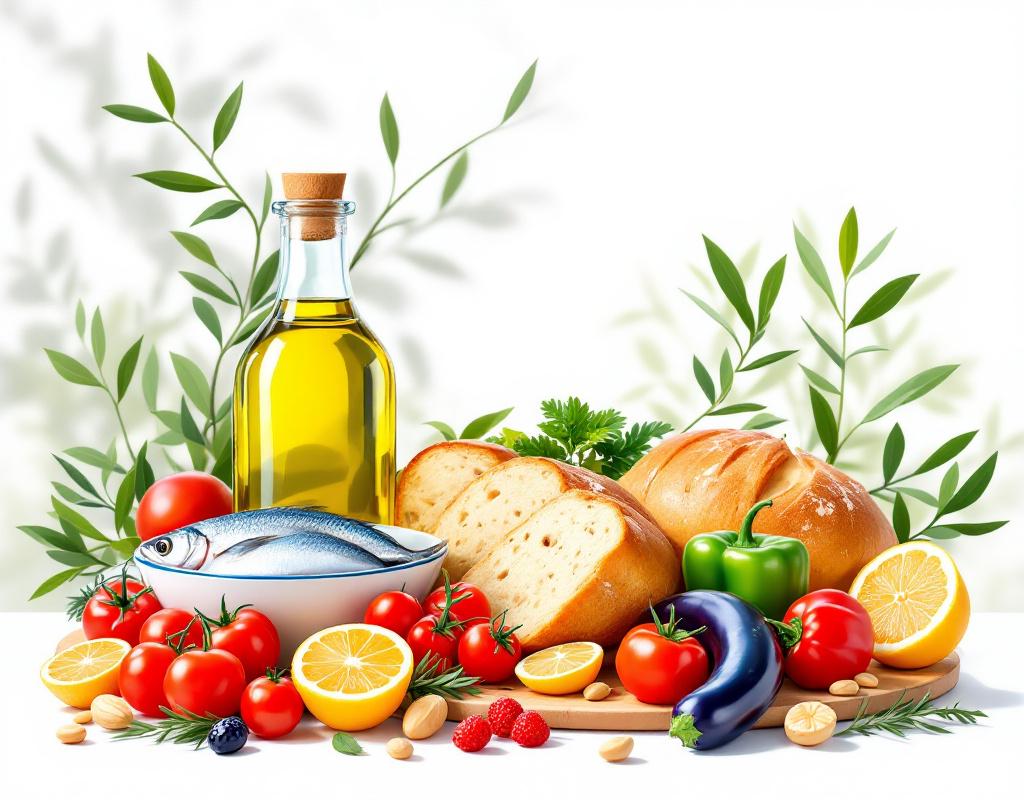
Unlike restrictive diets that bloom every season, traditional Mediterranean eating is based on a millennial nutritional balance. Its hallmark? An abundance of minimally processed plant products: seasonal vegetables, fresh fruits, legumes, whole grains, and nuts make up 60% of the plate. Animal proteins, mainly from fatty fish like sardines or mackerel, appear only occasionally (2-3 times/week). Poultry and eggs complete the protein intake while red meat is limited to a few monthly servings. Extra-virgin olive oil is the exclusive fat, used both for cooking and seasoning. This liquid gold provides monounsaturated fatty acids and polyphenols with proven antioxidant properties.
The Often Overlooked Cultural Dimension
What fundamentally distinguishes this approach is its grounding in a holistic lifestyle. ANCES studies reveal that its maximum benefits appear when the diet is accompanied by other pillars:
- Moderate consumption of red wine during meals (1 glass/day for women, 2 for men)
- Gustatory pleasure and conviviality of shared meals
- Regular physical activity integrated into daily life (walking, gardening)
- Respect for seasonal cycles in agricultural production
This synergy explains why simply adding olive oil to an industrialized diet does not produce the same protective effects.
7 Health Benefits Validated by Science
The PREDIMED trial, conducted on nearly 7,500 people over 5 years, provided solid evidence of the physiological impacts of this dietary model. Compared to a control group following a low-fat diet, participants on the Mediterranean diet supplemented with olive oil showed:
| Health Parameter | Observed Improvement | Average Timeframe |
|---|---|---|
| Cardiovascular Risk | Reduction of 30% | 3 months |
| Blood Pressure | Decrease of 5-7 mmHg | 8 weeks |
| LDL Cholesterol | Decrease of 8-10% | 2 months |
| Insulin Resistance | Improvement of 17% | 6 months |
Benefits That Go Beyond the Heart
The magic also works on other lesser-known fronts. A meta-analysis published in Neurology shows a 35% slowing of cognitive decline in seniors who adopted it. Researchers attribute this effect to the polyphenols in olive oil and berries that cross the blood-brain barrier. Meanwhile, the journal Gut observes a 40% increase in gut microbiota diversity thanks to varied fibers. Finally, contrary to popular belief, this diet rich in healthy fats does not cause weight gain: participants lose on average 4% body fat in 1 year without calorie restriction.
Your 7-Day Mediterranean Menu
Taking action requires a gradual transition. Start by replacing two industrial meals per week with Mediterranean options, then naturally increase. The trick: favor simple preparations that enhance the natural taste of foods.
Monday – Typical Day
- Breakfast: Greek yogurt + 30g almonds + 100g blueberries
- Lunch: Quinoa salad with chickpeas, cherry tomatoes, and feta + lemon/olive oil dressing
- Dinner: Grilled mackerel fillet with rosemary + homemade ratatouille + 1 slice of whole wheat bread
Tuesday – Plant-Based
- Breakfast: Spinach and mushroom omelette + 1 orange
- Lunch: Red lentil soup with cumin + fresh goat cheese
- Dinner: Eggplants stuffed with ground lamb and pine nuts
The following days alternate fatty fish (sardines, anchovies), free-range poultry, and complete vegetarian dishes like vegetable moussaka or homemade falafels. Snacks are limited to a handful of nuts or a fresh fruit. This model naturally includes 2 to 3 vegetarian meals weekly, increasing fiber intake while reducing environmental impact.
Common Mistakes to Avoid
Despite its apparent simplicity, some pitfalls await novices. First misunderstanding: confusing Mediterranean cuisine with industrial pizza/pasta. A true Mediterranean dish contains at least 3 different vegetables, few refined carbs, and olive oil as the exclusive fat. Another trap: overconsumption of cheese. Although present, it remains a condiment rather than a main food. Finally, neglecting product quality cancels out the benefits: always choose extra-virgin cold-pressed olive oil, wild fish, and organic vegetables when possible.
“It is not a diet in the restrictive sense, but a food symphony where each ingredient plays its part.” – Dr. Michel de Lorgeril, cardiologist and researcher
Frequently Asked Questions
Is the Mediterranean diet suitable for vegetarians?
Absolutely. Its original version includes little meat and can easily become vegetarian by replacing fish with plant sources of omega-3 (flax seeds, walnuts) and slightly increasing legumes. The important thing remains the diversity of consumed plants.
Is it compatible with a tight budget?
Yes, provided you prioritize seasonal products and economical proteins like lentils or canned sardines. A Spanish study shows that adopting this model costs 23% less than a standard Western diet thanks to reduced meat and prepared dishes.
Can you lose weight with this diet?
Weight loss is not the primary goal but often occurs as a side effect. On average, a 3 to 5% reduction in body weight is observed in 6 months without calorie counting, thanks to better satiety and glycemic regulation.
How to adapt the diet in winter?
Favor root vegetables (carrots, parsnips), cabbages, citrus fruits, and dried fruits. Legume soups and stews advantageously replace summer salads while maintaining fundamental principles.
Is it really necessary to drink wine?
No, it is an optional element. The main benefits come from solid foods. If you do not consume alcohol, simply increase your intake of red grapes and berries for their protective polyphenols.