| Key points | Details to remember |
|---|---|
| 🔍 Definition of the plan | Anti-inflammatory plan combining vegetables, spices, lean proteins |
| 💪 Main benefits | Improves energy, reduces joint pain |
| 🌿 Foods to favor | Focus on vegetables, red fruits, spices such as turmeric |
| 🚫 Foods to avoid | Avoid gluten (wheat, rye) and lactose (cow’s milk) |
| 🍽️ Example meal structure | Structure breakfast, lunch, snack, dinner |
| ⏱️ Expected results | Observe first effects after 2–4 weeks |
Faced with chronic inflammation, adjusting one’s diet often proves more effective than simple supplements. By eliminating gluten and lactose, two of the most common dietary triggers are limited, while focusing on nutrients that naturally soothe tissues. This guide offers a detailed meal plan, combining choices of anti-inflammatory foods, a typical daily structure, and practical tips to reduce digestive sensitivities without sacrificing pleasure at the table.
Sommaire
Why choose a gluten- and lactose-free anti-inflammatory plan?
One might think inflammation is a minor response, but when it persists, it manifests as joint pain, unexplained fatigue, or recurring digestive disorders. A targeted diet aims to calm this internal fire by avoiding two products with potentially immunogenic proteins: gluten and lactose. Without becoming drastic, this dietary assessment rethinks the flavor palette to provide real relief.
In practice, it is not just about removing wheat or milk. The approach aims to promote anti-inflammatory compounds – flavonoids, omega-3s, polyphenols – while limiting oxidative stress factors. The result: supporting cellular repair, nurturing the gut flora, and improving mood, often linked to the state of our microbiota.
Mechanisms of Inflammation
The inflammatory process is triggered when our immune system detects an aggressor: toxins, pathogens, or even food particles. Cells then release mediators (cytokines, prostaglandins) that cause swelling and pain to neutralize the threat. Normally, this reaction extinguishes itself, but an unbalanced dietary background can maintain this state permanently.
We speak of “inflammation” when the system remains on alert, even in the absence of an external agent. The symptoms are multiple: morning stiffness, skin disorders, bloating. Changing one’s diet then becomes a first line of defense, allowing to cut short the overproduction of harmful molecules.
Impact of Gluten and Lactose
Gluten, a protein present in certain cereals, can weaken the intestinal mucosa in sensitive individuals, leading to increased permeability. Similarly, poorly digested lactose ferments in the colon, generating gas and discomfort. Together, these two factors feed an inflammatory vicious circle.
In case of food intolerance, it is crucial to learn how to effectively substitute cereals and dairy products. This involves not only checking labels but also revisiting recipes so they remain tasty and balanced.
Key Principles of the Meal Plan
To structure a coherent plan, we focus on three axes: the variety of antioxidants, the balance of macronutrients, and the regular intake of gentle fibers. The idea is to compose each meal in a way that provides a complete profile of amino acids, fatty acids, and micronutrients without resorting to allergenic sources.
Before implementation, take the time to list your current habits. Replace wheat bread with alternatives based on rice or buckwheat, cow’s milk with plant-based drinks (almond, oat, hemp). The addition of anti-inflammatory spices, such as ginger and turmeric, then becomes a reflex.
Foods to Favor
- Red fruits (blueberries, strawberries) rich in polyphenols
- Leafy green vegetables (spinach, kale) for their nutritional density
- Gluten-free grains (quinoa, buckwheat, brown rice) for energy
- Lean proteins (fatty fish, organic poultry, legumes) for omega-3s
- Anti-inflammatory spices (turmeric, black pepper, fresh ginger)
- Oilseeds (chia, flax, sunflower) for fibers and fatty acids
Foods to Avoid
- Wheat, rye, barley, spelt – all sources of gluten
- Cow’s milk, regular yogurts, pressed cheeses
- Refined sugars and sugary drinks, which fuel inflammation
- Fatty cold cuts and fried foods too rich in saturated fatty acids
- Industrial oils (sunflower, heated rapeseed) sensitive to oxidation
Structure of a Typical Day
To avoid cravings, the gap between meals should not exceed 4 hours. Each food intake combines proteins, slow carbohydrates, and healthy fats.
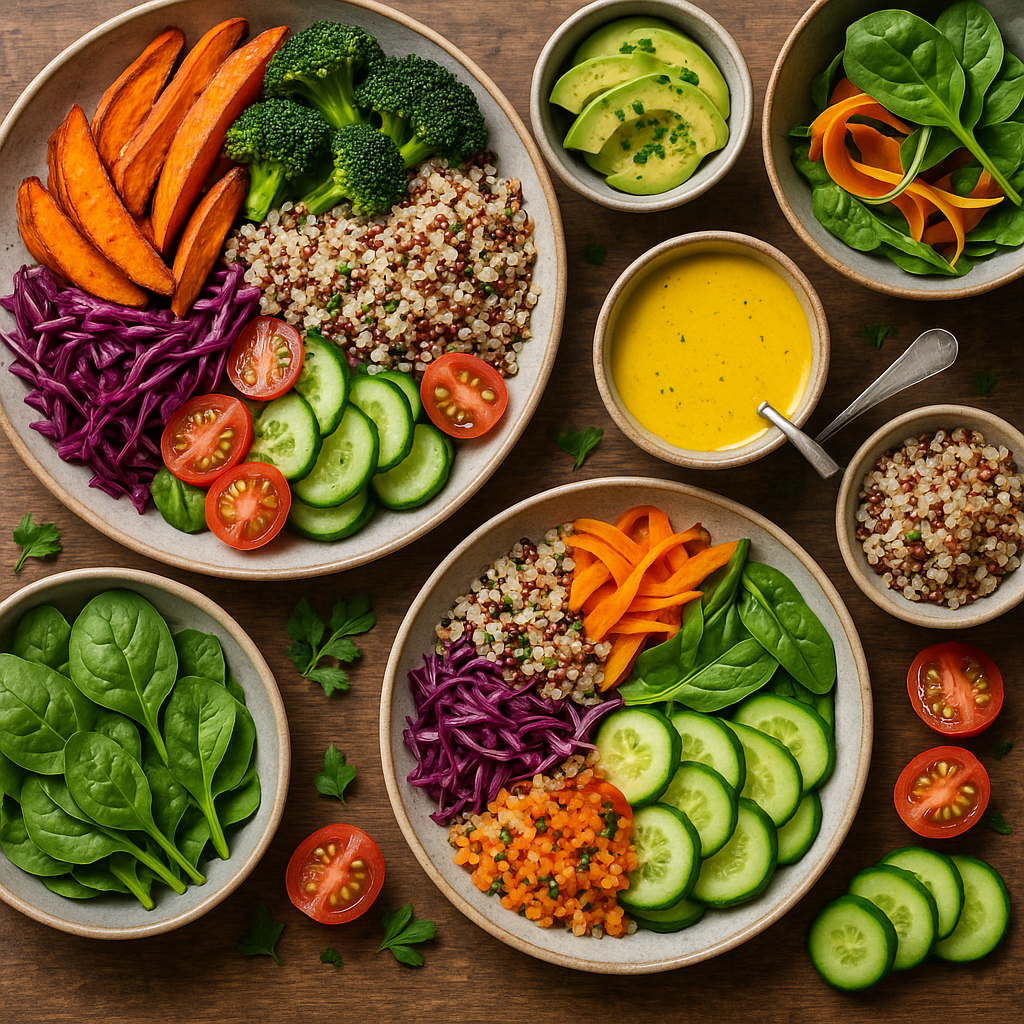
Let’s take an example: a breakfast around buckwheat porridge with berries, a quinoa salad and fatty fish fillets at noon, a small handful of nuts as a snack, a dinner based on roasted vegetables and marinated tofu. Between each meal, drink water, anti-inflammatory herbal teas (ginger-lemon), and, if needed, a homemade broth to soothe the mucous membranes.
Sample Menus for a Week
| Day | Breakfast | Lunch | Dinner |
|---|---|---|---|
| Monday | Buckwheat porridge & blueberries | Kale salad, quinoa, salmon | Vegetable curry & basmati rice |
| Tuesday | Green smoothie (spinach, banana, almond milk) | Lemon-ginger chicken skewers | Sweet potato & lentil soup |
| Wednesday | Coconut yogurt & flax seeds | Buddha bowl with quinoa, roasted chickpeas | Grilled salmon & steamed vegetables |
| Thursday | Rice flour crepes & homemade compote | Tofu stir-fry, broccoli, carrots | Chickpea & spinach stew |
| Friday | Gluten-free oats & raspberries | Green lentil salad, beetroot, vegan feta | Mackerel fillet & celery purée |
Practical Tips for Long-Term Success
The key is planning. Set aside a weekly slot for your shopping and preparation of some basics (cooked grains, roasted vegetables, spice blends). This way, cooking times are reduced and you avoid lapses due to lack of inspiration.
Vary your protein sources and colors on the plate to never fall into monotony. Spices offer an infinite palette of anti-inflammatory flavors without extra calories. If you crave bread, try buckwheat pancakes or rice flour bread, which keep for several days.
Finally, listen to your sensations. Note the evolution of your energy level, the quality of your sleep, and the condition of your skin. This feedback will help you adjust portions and foods while maintaining a pleasant balance daily.
FAQ
Can plant-based milk be consumed without inflammation risk?
Yes, most almond, coconut, or oat milks without additives provide a mild substitute, naturally lactose-free. However, be sure to choose versions without added sugar to limit glycemic spikes.
From when can one observe a reduction in inflammation?
The first effects can be felt as early as two weeks, especially regarding energy and digestion. For a deeper impact on joint pain, generally count on a month of regular follow-up.
How to manage a meal outside?
Choosing a single dish – vegetable wok, protein-rich salad, grilled fish – limits the risks of hidden gluten or lactose. Don’t hesitate to ask for details about preparation and to adjust the sauce to be dairy-free.
Should steaming be preferred over roasting?
Steaming better preserves nutrients and limits the formation of pro-inflammatory compounds. Roasting remains interesting if you use a stable oil (olive, coconut) and control the temperature.
How to track progress over time?
Keeping a simple food journal noting meals, energy, and symptoms allows you to quickly identify residual triggers and adjust the plan as needed.