| Key points | Details to remember |
|---|---|
| 📖 Definition | Tea tree is an essential oil extracted from the leaves of Melaleuca alternifolia. |
| 🌿 Main benefits | Antimicrobial, antifungal, purifying and soothing. |
| ⚙️ Mode of action | Its molecules, such as terpinen-4-ol, act targeted against bacteria and fungi. |
| 🛠️ Methods of use | Topical application, diffusion, addition to your household products. |
| 🏡 Concrete applications | From the bathroom to your hair care, including the refrigerator. |
| 🎯 Expected results | Less odor, clearer skin, a healthier environment. |
| 🛒 Accessibility | Available in pharmacies, health food stores or online. |
Few fragrances release a scent that is both fresh and powerful while offering recognized therapeutic properties. Tea tree essential oil, often confined to the first aid kit for its effectiveness on minor injuries, still has many unsuspected resources. In this guide, we lift the veil on ten surprising uses you can try starting today. You will be amazed at the number of common issues it can relieve, clean, or simply scent naturally.
Sommaire
Why does tea tree essential oil generate so much enthusiasm?
Origin and composition
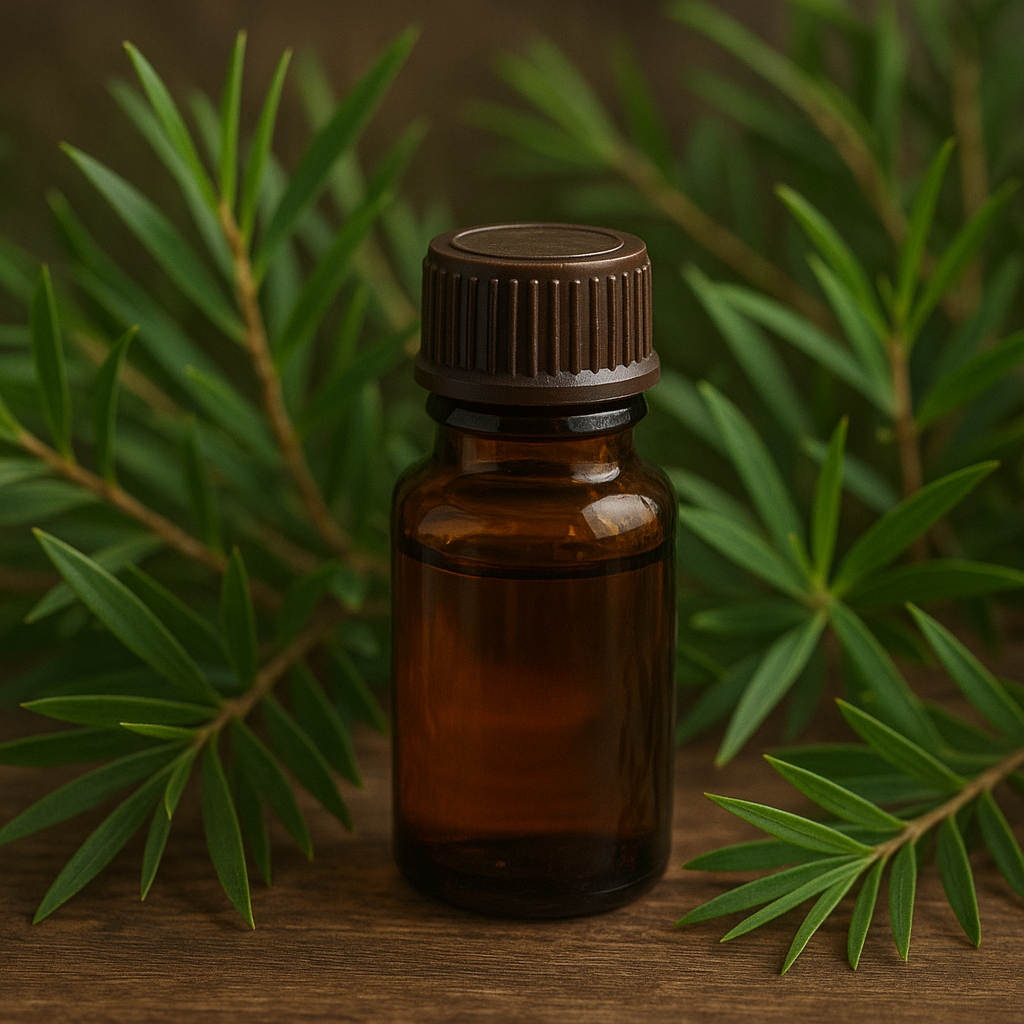
Originating from Australia, tea tree essential oil is steam distilled from the leaves of Melaleuca alternifolia. Its action is mainly based on terpinen-4-ol, an antibacterial compound, as well as various monoterpenes and sesquiterpenes. Individually, each of these molecules acts in synergy to fight germs and fungi without systematically resorting to a chemical cocktail.
Key properties
It stands out for its virtues:
- Antimicrobial: eliminates up to 90% of targeted bacteria.
- Antifungal: prevents the growth of molds and fungi.
- Anti-inflammatory: reduces redness and itching.
- Purifying: cleans and deodorizes various surfaces.
Compared to other oils, those wondering about the best choice for their well-being will find detailed comparison criteria in this article.
Ten surprising uses to try
1. Natural Shoe Deodorizer
Instead of limiting tea tree oil to your skin, place a drop on a cotton ball or a small porous stone to put inside your sneakers. Its antibacterial properties target the germs responsible for odors, leaving a fresh and cleansing scent without damaging the materials.
2. Instant Air Purifier
In the absence of a diffuser, a few drops of tea tree essential oil on a tissue or a bowl of hot water are enough to instantly freshen up a room. This trick is particularly appreciated in toilets or the kitchen.
3. Gentle Anti-Dandruff
Scalp prone to dandruff benefits from a weekly massage: mix a few drops of tea tree with your usual shampoo. The result? Less flakes without a tight feeling. This alternative, sometimes mentioned as a complement to anti-inflammatory solutions, proves gentler than a pure salicylic acid treatment.
4. Makeup Brush Cleaner
Foundation and powder residues can clog your brush bristles. Two drops of tea tree in a bottle of lukewarm water are enough to eliminate bacteria and greasy deposits, while speeding up drying. A simple gesture to protect your skin from imperfections.
5. Localized Anti-Acne
Inflamed, concentrated, or occasional pimples respond very well to a small spot of essential oil applied locally. Gently tap with a cotton swab and leave on overnight; the next day, inflammation is generally reduced and the risk of scarring decreases.
6. Relieve Insect Bites
For itching and swelling, apply a pure drop of tea tree on the bite. Its soothing and disinfecting effect helps stop the proliferation of bacteria often caused by scratching raw.
7. Repair Brittle Nails
Wrinkled or weakened nails regain vitality thanks to a warm bath enhanced with a few drops of tea tree and vegetable oil (sweet almond or castor). After five to ten minutes, rinse and let dry; the oil penetrates, nourishes, and fights infections under the nail.
8. Multi-Surface Cleaner
By replacing all or part of the water in your household white vinegar, you get a more powerful cleaner for countertops, sinks, and floors. The antifungal action of tea tree makes it a formidable weapon against fungal stains, without releasing the sharp smell of bleach.
9. Extend Freshness of Cut Flowers
A few drops in the vase water are enough to limit the proliferation of bacteria responsible for stem rot and premature wilting of flowers. An anti-waste gesture, both for everyday bouquets and special events.
10. Anti-Mold for the Bathroom
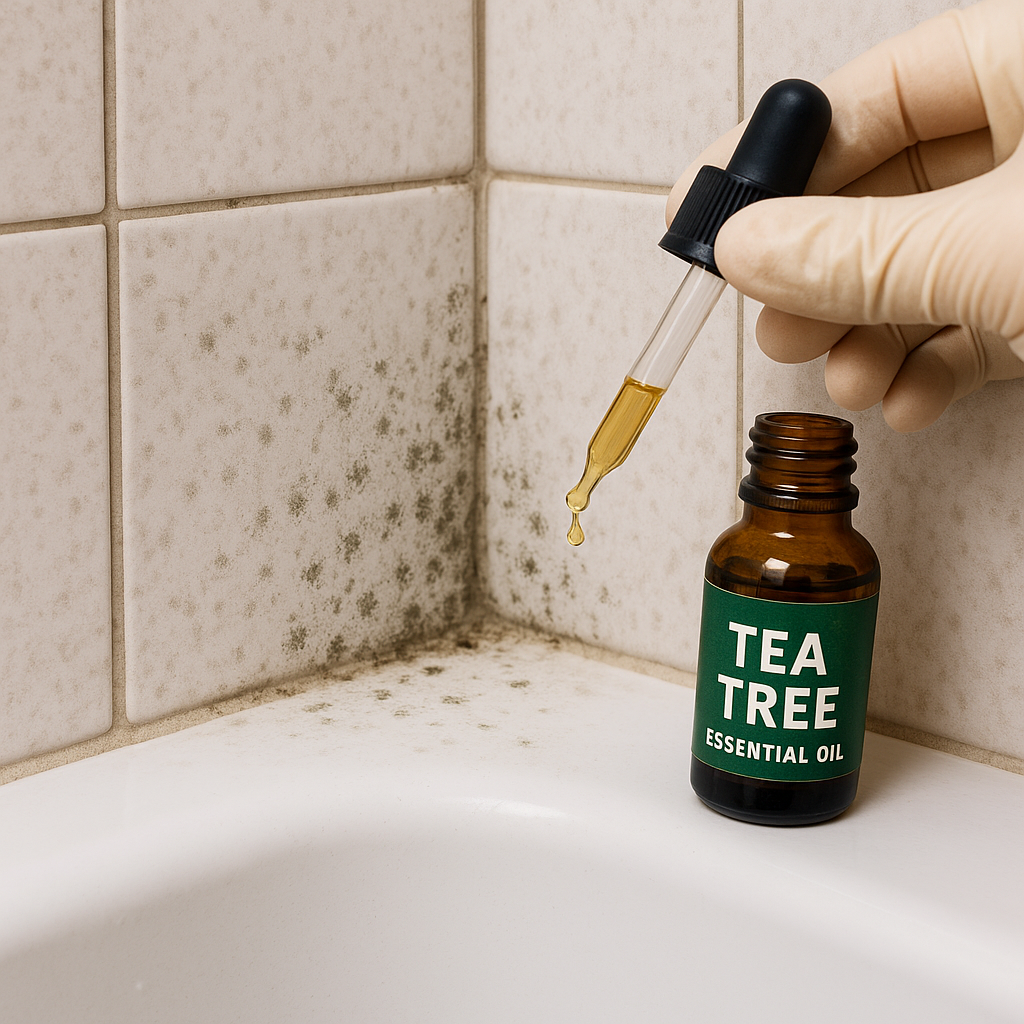
On joints or damp corners, spray a solution made of water and several drops of tea tree. Let sit, gently scrub, then rinse. The result is unmatched in preventing the reappearance of black spots.
Precautions for Use
- Always test a small area (wrist, inside elbow) before extensive use.
- Do not apply near the eyes or on irritated skin.
- Keep out of reach of children and avoid ingestion.
- When diffusing, do not exceed 10 minutes per hour.
FAQ
Can pure tea tree be applied to the skin?
On a small healthy area, yes, occasionally. Beyond that, it is preferable to dilute it in a vegetable oil to limit any risk of sensitization.
Is using it in a diffuser safe?
When the recommended durations are respected (10 minutes of diffusion for 50 m³), it is a completely safe way to purify the air and enjoy the fresh aroma.
Can tea tree stain certain surfaces?
On light plastic materials, prolonged contact can sometimes leave a slight mark. Test on a discreet corner before regular use.