
| Key Points | Details to Remember |
|---|---|
| 🍬 Sugar & Sweeteners | High amounts of sugars or artificial sweeteners |
| ⚗️ Chemical Additives | Colorants and thickening agents of questionable nature |
| 💊 Active Ingredients | Doses sometimes inadequate or misused |
| 🏷️ Marketing Promises | Idealized and misleading messages |
| 🚫 Health Risks | Possibility of overdose and dependency |
| 🌿 Natural Alternatives | Plants and methods effective without side effects |
Many cough syrups multiply colorants, thickeners, and sugars to mask bitterness, while relying on reassuring packaging. This strategy sometimes hides real health issues, even though safer solutions exist.
Sommaire
Controversial Ingredients: Sugar, Additives, and Active Ingredients
Even before reaching the label, some syrups cheat through their composition. Under the guise of a pleasant texture and tasty flavors, they conceal agents that deserve attention.
The Hidden Power of Sugar and Sweeteners
To soften a naturally bitter taste, manufacturers often play the card of refined sugar or aspartame. The result: a bottle can contain the equivalent of several sugar cubes, which is not trivial, especially for children or diabetic patients. Added to this are sometimes synthetic sweeteners whose impact on intestinal balance remains debated.
Thickening Agents and Colorants: A Risky Cocktail?
The gelled consistency of many syrups relies on gums or modified starches that facilitate taste in the mouth. But these additives can cause digestive disorders or allergic reactions.
“According to the European Medicines Agency, some azo dyes are responsible for skin reactions in 1 to 2% of the population” – EMA, 2021.
Colorants, even natural ones, should be considered with caution: they only serve to enhance visual appeal, without benefit for therapeutic efficacy.
Misuse of Active Ingredients
Beyond honey or guaifenesin, some antiviral or antihistamine molecules sometimes slip into over-the-counter formulas. However, their dosage is not always suitable for regular use and can cause drowsiness, dry mouth, or worse, drug interactions.
Questionable Marketing Strategies
Praising the virtues of a syrup by relying on emotion rather than clinical studies has become commonplace. The consumer, reassured by a comforting slogan, sometimes forgets to check the origin and reputation of the laboratory.
Unrealistic Promises and Biased Testimonials
“Relief in 5 minutes!” proclaims a label. However, some ingredients cannot act that quickly in the body. Testimonials from influencers, sometimes paid, amplify this persuasive dynamo effect without scientific guarantee.
Misleading Packaging and Suggestions of Effectiveness
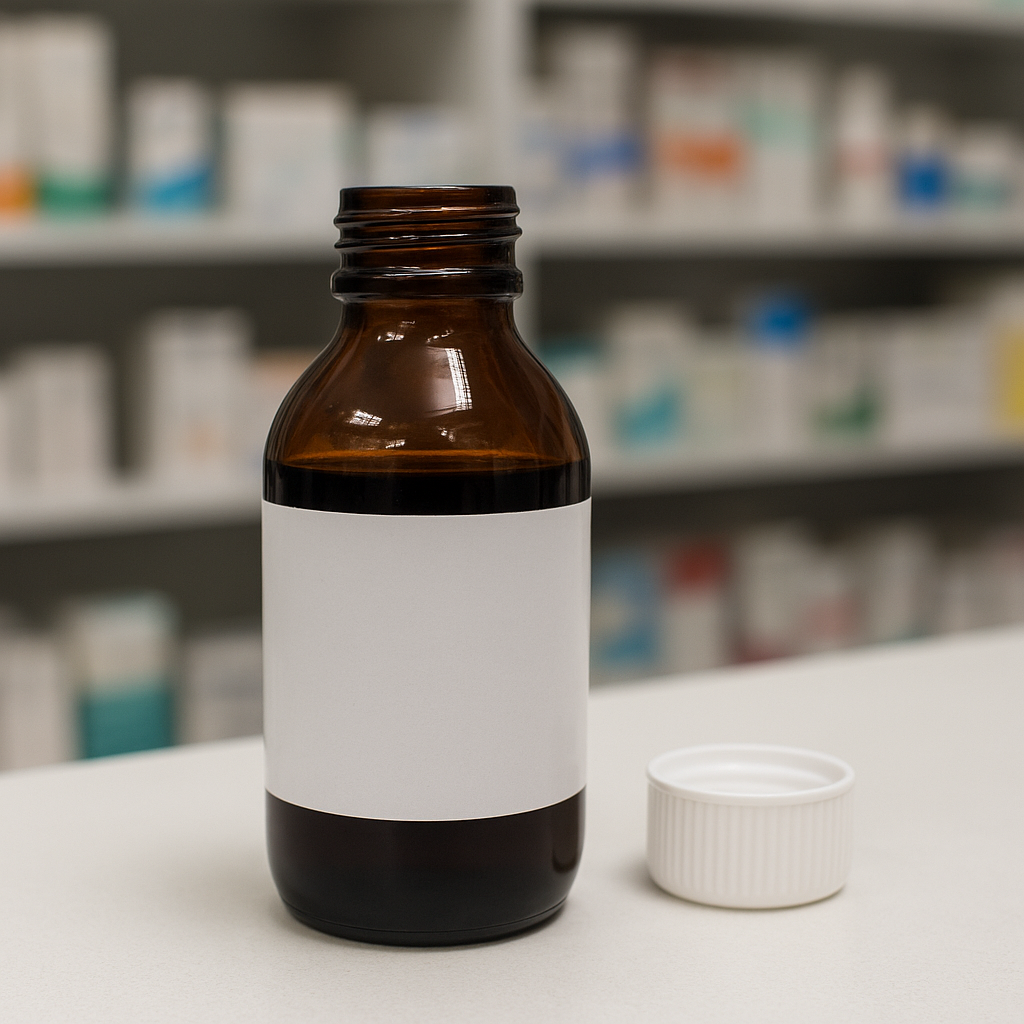
Pastel colors, apothecary-style bottles, and illustrations of happy children: everything is designed to reassure and create a bond of trust. The consequence is that one forgets to read the exact dosage or the famous list of “excipients.” A major drawback of marketing that walks on two legs.
Impact on Health and Recommendations
Beyond the gummy-paste effect, what do consumers really risk? More than digestive discomfort, the problem emerges in the long term.
Risks of Overdose and Dependence
In case of stubborn cough, it is tempting to increase the dose. However, an overdose can cause dizziness, nausea, or even weakening of respiratory function. The sensation of “relief” can also create a form of psychological dependence, prompting one to take a spoonful “at the slightest sneeze.”
Natural Alternatives and Good Practices
Simple remedies exist: thyme infusions, lemon lozenges, or essential oil inhalations. Combined with good hydration and rest, these methods often prove sufficient and safe. Don’t forget to:
- Consult a healthcare professional before any self-medication.
- Systematically read the list of ingredients.
- Prefer brands transparent about their composition.
The Essentials to Remember
- Cough syrups often contain **excessive amounts of sugar** and sweeteners.
- **Additives** (colorants, thickeners) provide no therapeutic benefit.
- **Marketing** plays on emotion and can lead to **unrealistic promises**.
- **Overdose** exposes to side effects and dependence.
- **Natural alternatives** (thyme, honey, inhalations) are often safer.
FAQ about Cough Syrups
- Do cough syrups always contain sugar?
- No, some laboratories replace sugar with sweeteners, but these are not without health effects.
- Can they be given to children safely?
- You should always check the recommended age on the packaging and prefer a consultation if in doubt.
- Are natural colorants harmless?
- Not always: even natural ones can cause allergic reactions.
- Does a spoonful of syrup really speed up relief?
- The sensation may be immediate, but pharmacological effectiveness generally requires more time.
- What risk-free alternatives exist?
- Thyme infusions, pure honey, or steam inhalations are proven solutions.
- How to avoid an overdose?
- Strictly follow the dosage and consult a professional if symptoms persist.