| Key Points | Details to Remember |
|---|---|
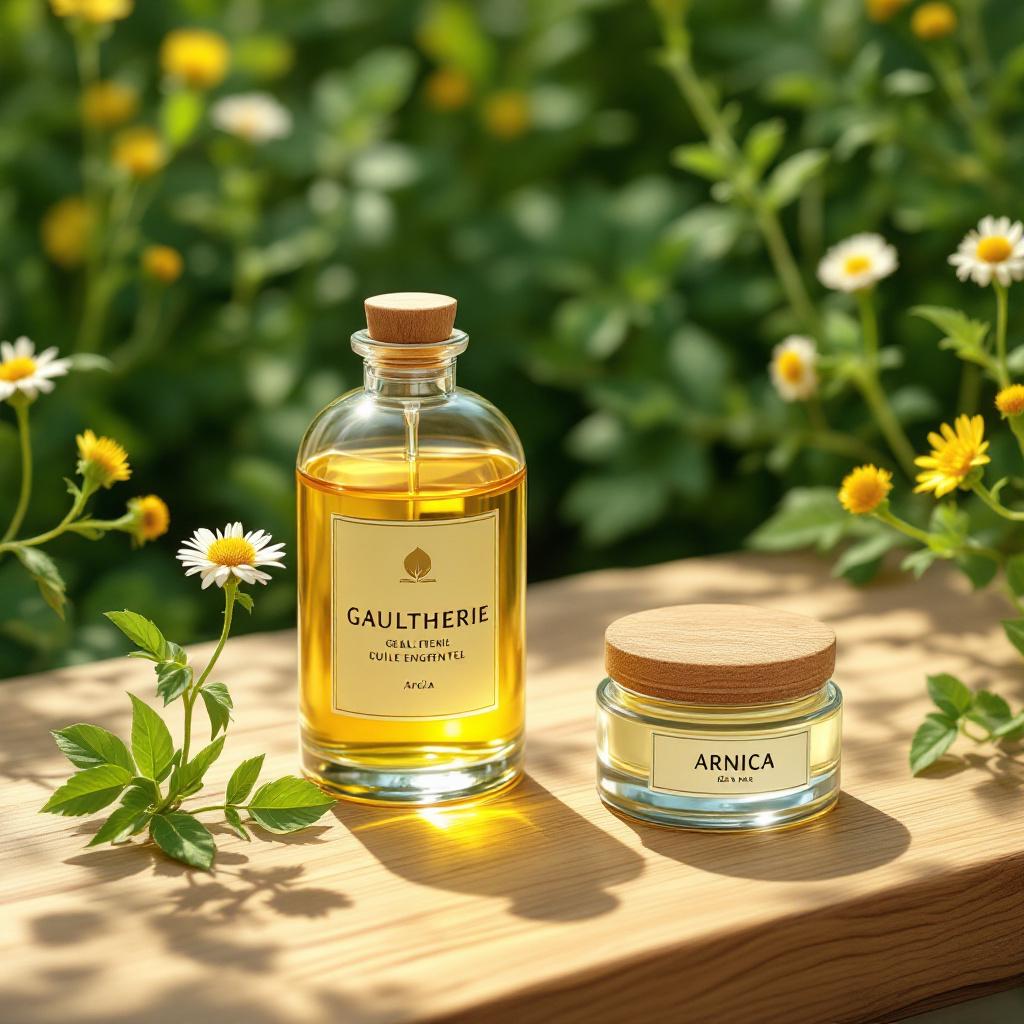
| 🌷 Definition | Wintergreen contains methyl salicylate and arnica sesquiterpene lactones. |
| 💧 Mode of action | Wintergreen local heat, arnica soothing and tissue regeneration. |
| ⚾ Benefits | Rapid pain reduction versus long-lasting effect on bruises. |
| 🔍 Precautions | No prolonged application or on damaged skin. |
| 🛱 Pharmaceutical forms | Essential oils and creams or gels, choose according to the area. |
| 🎗 Practical choice | Patient profile and inflammation intensity guide the choice. |
When inflammation sets in—whether it’s tendinitis, a bump, or joint pain—people naturally turn to plants. Two stars emerge: wintergreen, known for its heating power, and arnica, celebrated for its soothing effect. Between sensations of warmth and the creaminess of gels, it becomes urgent to know which to favor depending on your situation. This comparison delves into their mechanisms, strengths, and criteria to consider before applying one or the other.
Sommaire
Understanding the inflammatory phenomenon
Inflammation is not just simple pain: it is your body’s response to an external or internal aggression. At the slightest microtrauma, blood vessels dilate, allowing blood cells and proteins to pass through for repair. Result: swelling, redness, heat, and functional discomfort. Important distinction: acute inflammation resolves in a few days, while the chronic form can stretch over months—or even years—with the risk of tissue degradation.
Faced with this process, one can act through pharmaceutical anti-inflammatories or rely on plant extracts. Wintergreen and arnica hold a special place in this latter category, combining efficacy and generally favorable tolerance profiles. But their scope of action differs enough to wonder: which option to favor depending on the intensity and location of the inflammation?
Wintergreen: a warming and targeted ally
Properties and composition
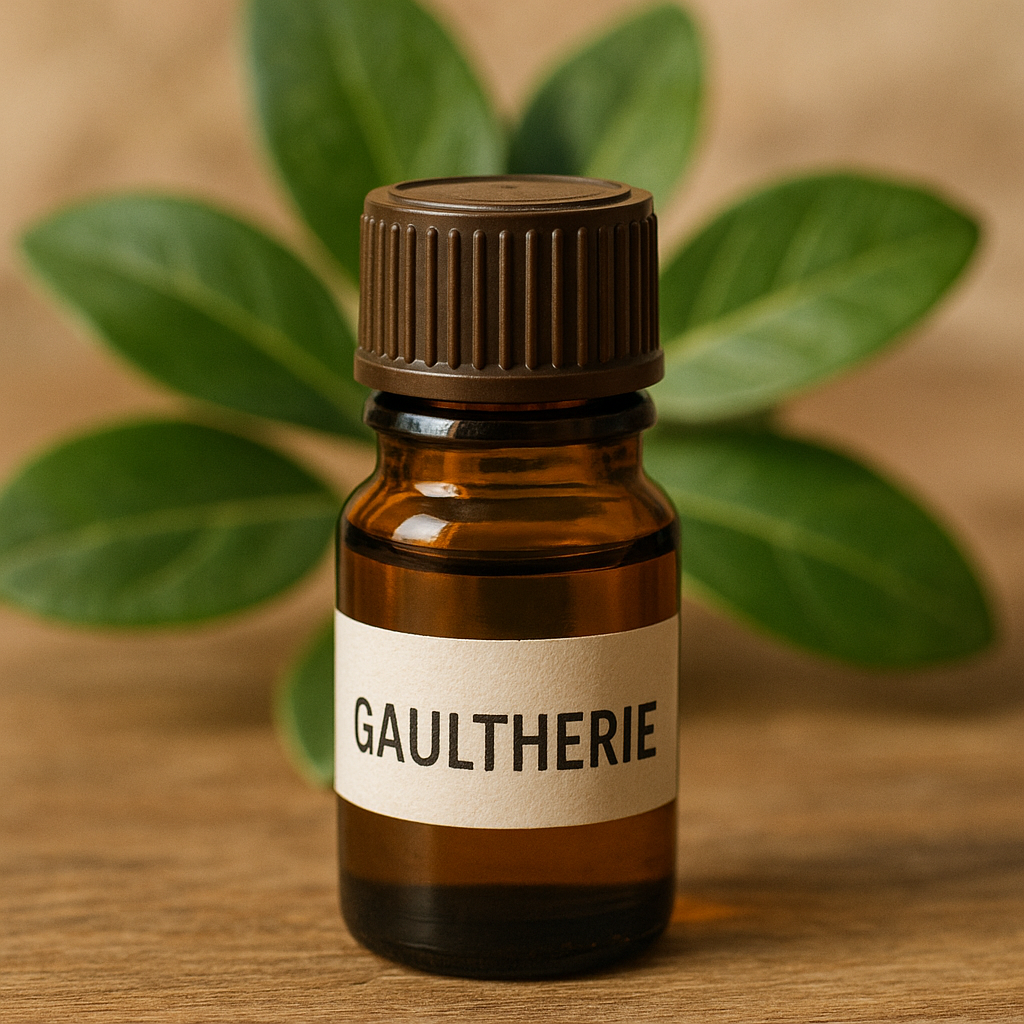
Originating from the mountains of North America, wintergreen (Gaultheria procumbens) owes its effectiveness to a remarkable compound: methyl salicylate. This active principle mimics the effect of aspirin by inhibiting certain enzymes linked to the inflammatory process. Consequence: a fairly powerful “natural painkiller” spirit, capable of generating a localized warming sensation conducive to muscle relaxation.
Mode of application and practical advice
Wintergreen is mainly found in essential oil form, to be diluted in a neutral vegetable oil (for example jojoba or macadamia). A 5–10% dosage is sufficient to treat a painful area: gently rub until fully absorbed. The warming effect appears quite quickly. Note that prolonged use without breaks is discouraged, to avoid skin irritation or causing a skin imbalance.
- Start with a skin test on the forearm.
- Limit treatment to 7 consecutive days.
- Avoid contact with mucous membranes and open wounds.
Arnica: tradition and gentleness
Concentration of active principles
Derived from the flower of Arnica montana, this wild plant contains sesquiterpene lactones (notably arnacin) and flavonoids. They promote microcirculation, which explains arnica’s reputation for reducing bruises. Rather than heating the area, arnica acts by stimulating the resorption of swelling and limiting bruise formation.
Pharmaceutical forms and usage
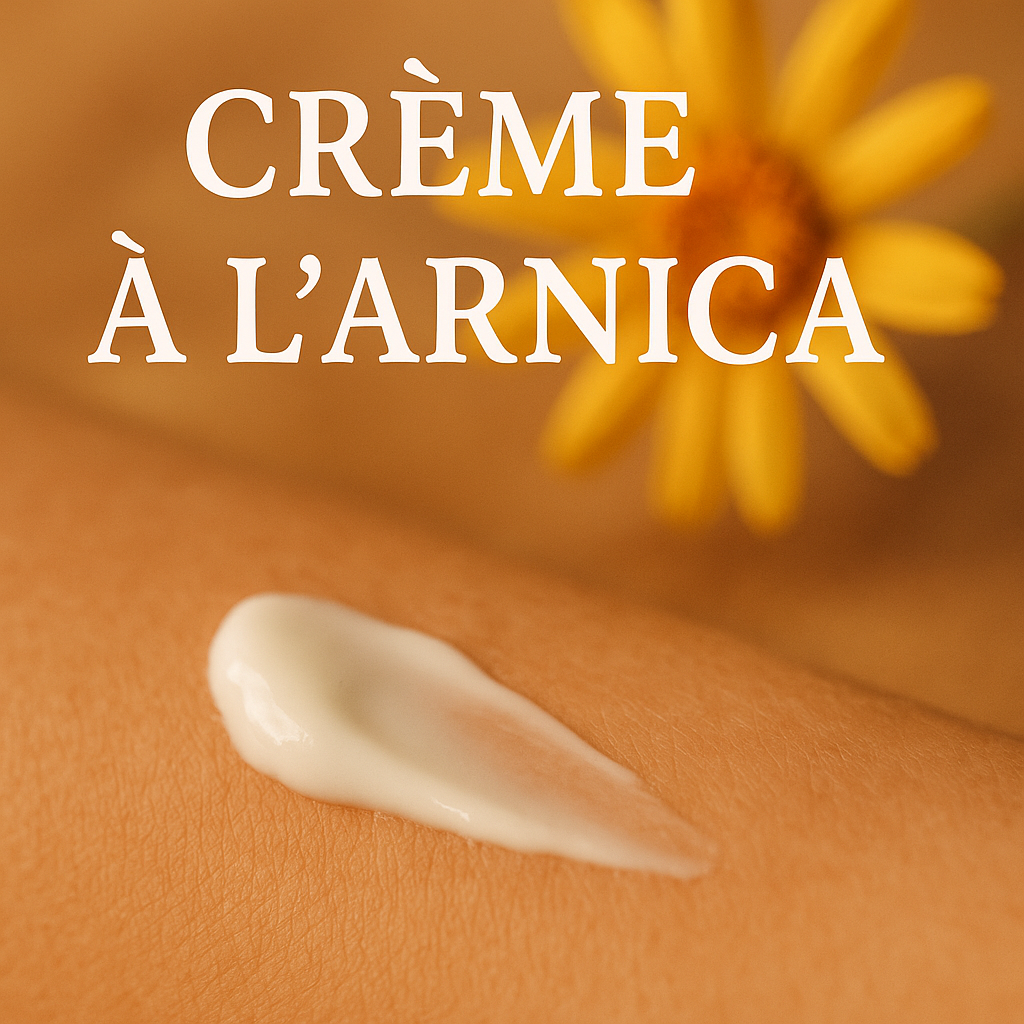
The most common form is cream or gel enriched with arnica extract. It is applied 2 to 3 times a day, with light massages, until symptoms disappear. Unlike wintergreen, arnica can be used on larger areas, such as a sore calf or a bruised knee. Homeopathic formulas also exist, but their effectiveness is debated among experts.
Comparison and selection criteria
Intensity and nature of pain
When pain is accompanied by clear muscle tension, wintergreen often wins thanks to its warming effect and rapid action. Conversely, for a bruise or mild edema, arnica excels by delivering its active principles without skin aggressiveness. It is also suitable for those who poorly tolerate essential oils or have sensitive skin.
Personal profile and tolerance
Some have sensitivity to phenols or salicylates: in this case, arnica represents a gentler alternative. Athletes appreciate the combination: wintergreen in the acute phase (24–48 h), then arnica to complete healing and limit recurrences. Finally, pregnant or breastfeeding women tend to trust arnica creams more, which are better documented for these profiles.
Precautions and interactions
- Avoid combining with other anti-inflammatories on the same area to prevent overdosing the skin.
- Do not apply under occlusive dressings or on open wounds.
- Consult a healthcare professional if in doubt about persistent pain.
- Keep out of reach of children, as accidental ingestion can be toxic.
FAQ
Which to choose between wintergreen and arnica for tendinitis?
For recent tendinitis with stiffness sensation, wintergreen offers quick relief thanks to its warming action. After two days, one can switch to arnica to support recovery without irritating the skin.
Is wintergreen not recommended for children?
Due to its high concentration of methyl salicylate, wintergreen is not suitable for children under 12 years old. In this context, it is better to favor arnica, whose skin tolerance is much better.
Can wintergreen and arnica be combined?
Yes, but by alternating applications: for example, morning and noon with diluted wintergreen essential oil, then arnica cream at the end of the day. This strategy optimizes the anti-inflammatory effect while sparing the skin.