| Key points | Details to remember |
|---|---|
| 🌱 Definition | Alpha-linolenic acid, the basis of plant-based omega-3s |
| 💪 Benefits | Cardiovascular and inflammatory support |
| 🤔 Conversion | Transformation into EPA/DHA in the body |
| 🍷 Synergies | Combine with monounsaturated fats for better absorption |
| 📇 Dosage | 1 to 2 tablespoons per day for a balanced diet |
| 🕰 Preservation | Storage away from heat and light |
| 🧑🍳 Recipes | Easy incorporation in smoothies, salads, and yogurts |
Chia seeds, now celebrated as a superfood, are not just a simple decoration on a granola bowl. They concentrate a precious alpha-linolenic acid (ALA), the basic form of plant-based omega-3s. In this article, we explore how to extract the best from these tiny seeds, optimize their bioavailability, and happily integrate them into your daily routine.
Sommaire
Understanding ALA and its importance
What is alpha-linolenic acid?
ALA belongs to the family of essential fatty acids, meaning our body does not synthesize it. We therefore obtain it from food, and chia seeds are one of the densest plant sources. Where some consider only fish for omega-3s, chia offers an ethical and accessible alternative for vegetarian or vegan diets.
Role and benefits in the body
- Contribution to the fluidity of cell membranes.
- Participation in the reduction of inflammatory markers.
- Indirect support for the production of EPA and DHA, via enzymatic conversion.
- Maintenance of optimal cognitive function in the long term.
Strategies to increase ALA absorption
Unlike saturated fats, ALA remains fragile: heat, light, and oxygen can alter it. To maximize its impact, we rely on gentle preparation methods and smart food combinations.
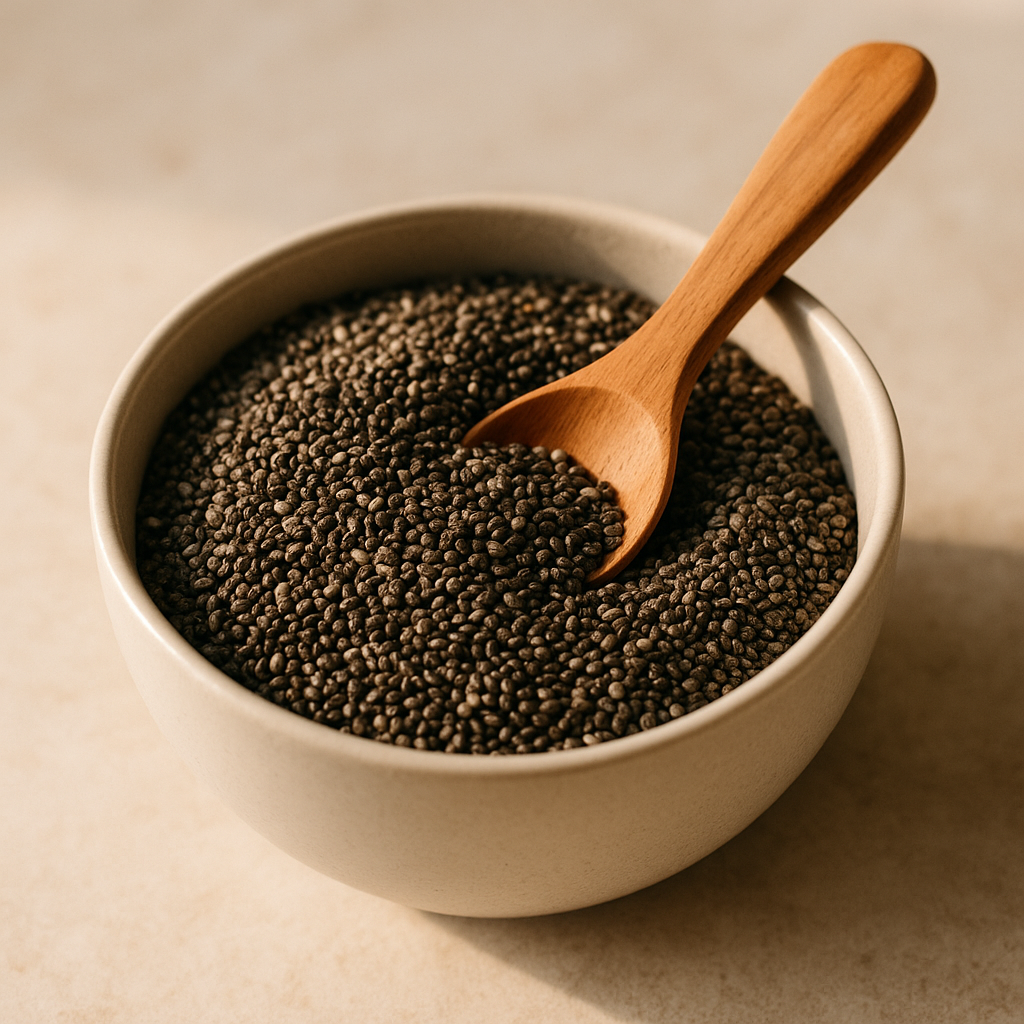
Methods of Preparing Chia Seeds
To release the omega-3s, you can:
- Soak the seeds in water or a plant-based milk for 15 to 30 minutes: they swell and form a gel, which is easier to digest.
- Grind the seeds into powder with a blender just before consumption, to break the shell.
- Mix directly into yogurt, warm porridge, or a smoothie: the moisture speeds up the release of the oil.
Favorable Food Combinations
Plant-based omega-3s benefit from a little boost when combined with:
- A source of vitamin E (walnuts, almonds, avocado), which plays a protective role against oxidation.
- A few drops of monounsaturated oil (olive oil, rapeseed oil) for a more stable emulsion.
- A pinch of black pepper, whose piperine improves lipid absorption.
Incorporating Chia Seeds into Your Daily Life
Beyond its nutritional benefits, chia seeds adapt to all occasions: quick breakfast, energy snack, or healthy dessert. You can alternate between gelled, crunchy, and melting textures according to your desires.
Examples of Simple Recipes
Exotic pudding: 3 tablespoons of chia, 200 ml of coconut milk, diced mango, and a touch of lime zest. Let rest overnight, sprinkle with grated coconut.
Another classic is to sprinkle your salads with a spoonful of whole seeds just before serving, for a crunchy contrast and a subtle omega-3 boost.
Practical Aspects and Storage
To get the best nutritional quality, prefer small packages, ideally certified organic. Exposed to air and light, the seeds can become rancid and lose their lipid profile.
Dosage and Limits to Respect
Beyond 2 tablespoons per day, the fiber intake becomes massive and can disrupt digestion. A reasonable consumption, integrated into a varied diet, ensures benefits without side effects.
FAQ
- Can chia seeds be cooked without degrading ALA?
- Cooking at very high temperatures (above 180 °C) can alter ALA. It is better to add the seeds at the end of cooking or consume them raw.
- Is chia powder more effective than whole seeds?
- Grinding releases the oil quickly, but whole seeds, if well soaked in a liquid, also provide ALA properly.
- Are there any interactions with medications?
- In moderate amounts, no established side effects. If you take anticoagulants, inform your doctor for personalized monitoring.
- What taste do chia seeds have?
- Fairly neutral, slightly nutty when toasted, they easily absorb surrounding flavors.