
| Key Points | Details to Remember |
|---|---|
| 🍽️ Definition | Significant reduction of carbohydrates to promote weight loss |
| ⚖️ Main Benefits | Accelerated fat loss and better blood sugar control |
| 🔄 How It Works | Forcing the body to draw on fat reserves |
| 🛠️ Associated Methods | Variants: ketogenic, Atkins, Dukan, paleo, LCHF |
| 📊 Practical Applications | Structured meals, intake tracking, and personalized adjustments |
| 🏆 Expected Results | Loss of 0.5 to 1.5 kg per week depending on commitment |
Switching to a low-carb diet can transform your way of eating and boost weight loss without sacrificing the pleasure of eating. In this article, we scrutinize five proven approaches to help you identify the one that best fits your lifestyle and goals.
Sommaire
Why Choose a Low-Carb Diet?
Without going to extremes, reducing carbohydrates in the diet changes metabolism in favor of fat mobilization. Rather than drawing on quick sugars, the body uses more stored lipids. This adaptation, called ketosis when pushed, results in decreased appetite, better blood sugar balance, and sometimes increased mental clarity. In return, you need to manage the elimination of sugary cravings and ensure sufficient micronutrient intake.
Criteria for Selecting the Best Diets
To evaluate the effectiveness of a low-carb diet, several criteria come into play:
- Durability: ability to stick to it over several months.
- Satiation: ability to eat to fullness without counting every gram.
- Adaptability: compatibility with physical activity and your tastes.
- Nutritional Quality: balance between proteins, good quality fats, and micronutrients.
- Side Effects: risk of fatigue, digestive issues, or deficiencies.
By comparing these aspects, you get a concrete view of the strengths and weaknesses of each method.
Comparison of the Five Low-Carb Diets
1. The Atkins Diet
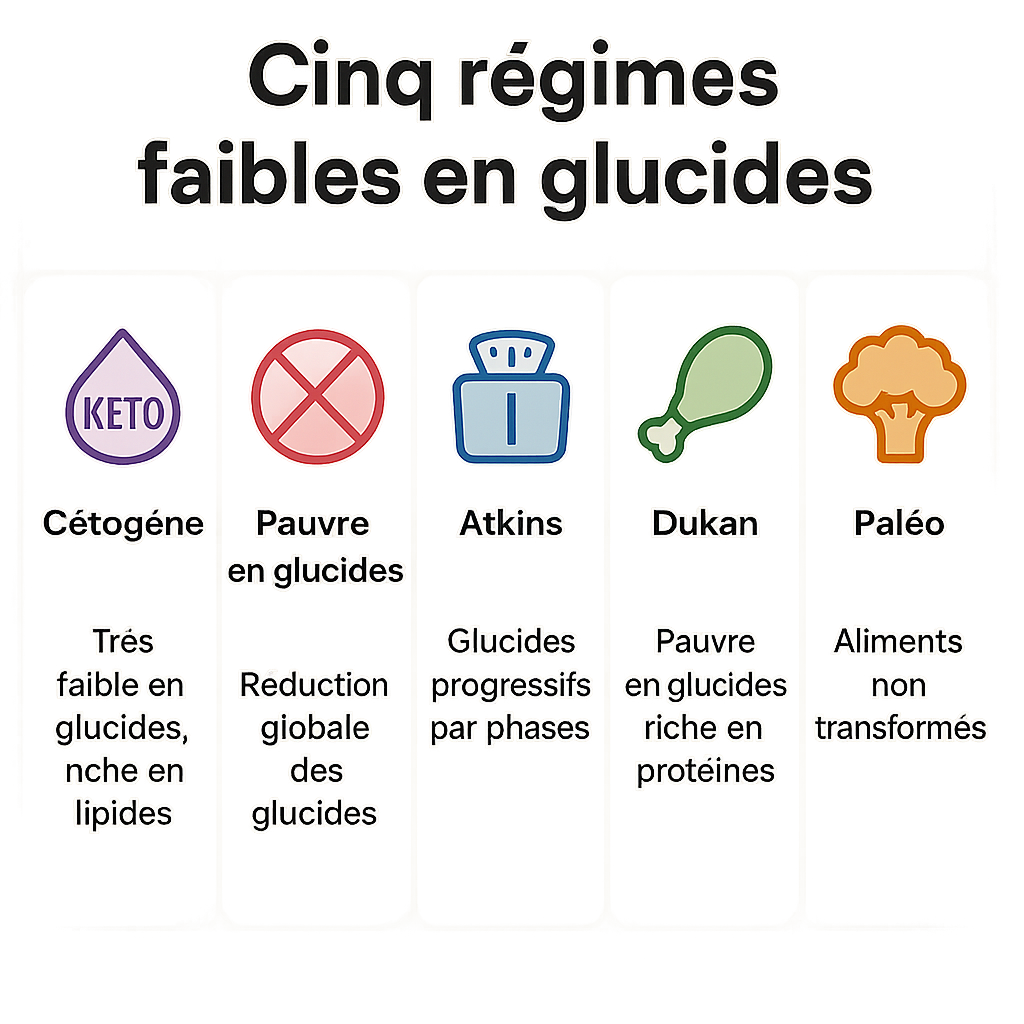
Popularized in the 1970s by Dr. Atkins, this diet is structured into four phases: induction (less than 20 g of carbohydrates per day), adjustment, pre-maintenance, and maintenance. The first phase is very restrictive, which guarantees rapid weight loss but can cause a “keto flu”: headaches, irritability, fatigue. Gradually, low glycemic index fruits and vegetables are reintroduced. The main advantage lies in the flexibility of fats and proteins: you eat to satiety, which limits frustration.
Strengths: rapid weight loss, free meals, adaptation to omnivorous diets. Weaknesses: difficult start, precise carbohydrate tracking.
2. The Ketogenic (Keto) Diet
More extreme than Atkins, keto limits carbohydrates to 5-10% of total calories, with 70-75% fats and 15-20% proteins. The goal is to maintain the state of ketosis over the long term. Benefits include hunger suppression, improved insulin sensitivity, and for some, better cognitive performance. However, the adaptation phase is tough and requires regular monitoring of ketone levels in the blood or urine.
Strengths: sustainable weight loss, potential neuroprotective benefits. Weaknesses: dietary rigidity, risk of fiber and vitamin deficiencies.
3. The Dukan Diet
Created by Dr. Pierre Dukan, it is based on a high protein intake and unlimited vegetables, divided into four stages: attack, cruise, consolidation, stabilization. During the attack phase, only pure proteins are allowed, often causing a rapid loss of 2 to 4 kg in a few days. The following phases gradually reintroduce vegetables, starches, and fruits. This sequential model facilitates carbohydrate reintroduction and limits the yo-yo effect.
Strengths: structured protocol, motivation through quick results. Weaknesses: monotonous, risk of protein excess, difficult social adaptation.
4. The Paleo Diet
Inspired by the eating habits of hunter-gatherers, paleo eliminates cereals, legumes, dairy products, and processed foods. The focus is on lean meats, fish, eggs, fruits, vegetables, nuts, and seeds. Paleo is not a strict low-carb diet, but its preference for unprocessed foods often leads to an automatic reduction in carbohydrates. Followers appreciate the “back to basics” aspect and the richness in micronutrients.
Strengths: nutritional density, natural variety, good for gut health. Weaknesses: high cost, radical food exclusions.
5. The LCHF (Low-Carb High-Fat) Diet
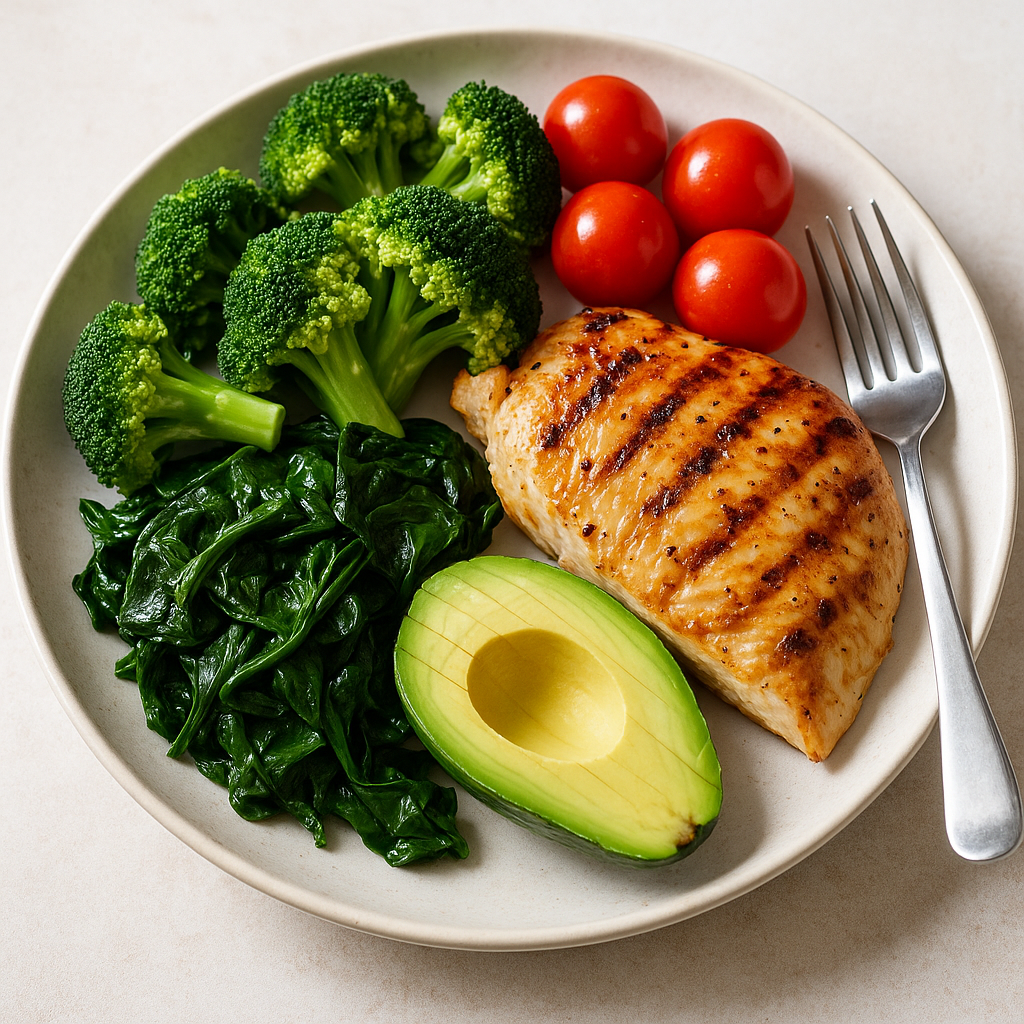
This approach emphasizes quality fats (avocado, coconut oil, nuts, seeds) and a moderate protein intake, while strongly limiting carbohydrates. Unlike keto, LCHF tolerates a bit more carbohydrates (20-30% of calories). It aims for a gentle transition to fat burning, without seeking deep ketosis. Meals are tasty and satisfying, which promotes long-term adherence.
Strengths: increased satiety, flexibility, conviviality. Weaknesses: weight loss speed often slower than keto.
Practical Tips for Successfully Transitioning
- Plan your menus: anticipate your meals and prepare protein-rich snacks to avoid slip-ups.
- Stay hydrated: reducing carbohydrates can increase water excretion, so remember to drink 1.5–2 L/day.
- Vary your fat sources: favor olive oil, nuts, avocado, and fatty fish.
- Track your progress: weigh yourself once a week, but also measure your waist circumference and well-being.
- Adopt food alternatives: use gluten-free alternatives based on almond or coconut flours for your pasta and bread recipes.
- Incorporate physical activity: combine cardio and strength training to optimize fat loss.
FAQ
- Is a low-carb diet suitable for everyone?
- It is not recommended if you suffer from kidney or liver disorders; always consult a healthcare professional before starting.
- Can you exercise on a ketogenic diet?
- Yes, by adjusting the intensity. Low-intensity endurance sports are the easiest at the beginning of ketosis.
- How to avoid fiber deficiency?
- Focus on green vegetables, nuts, and chia or ground flax seeds.
- Which diet promotes the fastest weight loss?
- Keto and the attack phase of the Dukan diet offer quick results, but their strict adherence is demanding.
- Can two methods be combined?
- Yes, for example, adopting a flexible LCHF then switching to keto occasionally to jump-start weight loss.