| Key points | Details to remember |
|---|---|
| 🥣 Definition | African fruit** turned into powder |
| 🌱 Properties | Prebiotic effect on the gut microbiota |
| ⚖️ Nutrients | Vitamin C, soluble fibers and antioxidants |
| 💡 Recipe ideas | Smoothies, puddings, dressings |
| ⏱️ Quick recipes | Less than 5 minutes preparation |
| 🍹 Examples | Green shake, lemony snack |
| 🥄 Dosage | 5 to 10 g per serving |
You have probably come across baobab powder at organic markets, but its reputation as a superfood is no accident. Derived from the fruit of the famous African tree, it proves particularly interesting for stimulating the intestinal flora. Without further ado, let’s discover why it appeals to nutritionists and busy cooks, and how to adopt it daily thanks to quick recipes.
Sommaire
Origin and composition of baobab powder
An ancestral fruit full of surprises
The baobab, nicknamed “the tree of talks,” provides a dry fruit from which a finely ground pulp is extracted. This African tradition spans centuries: from the harvest, the hard shell is crushed to obtain a light and naturally tangy flour. The result is a taste halfway between coconut and lemon, which awakens the taste buds while adding a touch of exoticism to your preparations.
Detailed nutritional profile
Compared to other fruit powders, baobab stands out for its nutrient density: it contains up to 40% soluble fibers (pectins and mucilages), 280 mg of vitamin C per 100 g, and a range of trace elements (calcium, potassium, magnesium). These fibers are poorly fermentable on the surface but transform into prebiotics once in the colon, feeding good bacteria and contributing to lasting intestinal balance.
Prebiotic benefits of baobab
Impact on the microbiota
One might think that fiber intake is trivial, but the nature of baobab’s fibers changes the game. Pectins form a protective gel around the mucous membranes, while mucilages stimulate the proliferation of bifidobacteria. In the long term, this dual action strengthens the intestinal barrier, limits inflammation, and can even improve certain digestive disorders, such as bloating or constipation.
Comparison with other prebiotics
Inulin, psyllium, acacia: compared to these references, baobab relies on its broad spectrum of organic acids and antioxidants. Inulins only feed certain strains, while baobab acts on a wider range of bacteria. Moreover, its vitamin C content boosts local immune activity, a bonus rarely offered by other fibers.
How to incorporate baobab powder into your daily routine
Dosage tips
- Start with 5 g per day (about 1 teaspoon).
- Gradually increase up to 10 g to fully enjoy the effects.
- Prefer a morning intake, right after waking up, to activate digestion.
Possible uses
Beyond quick recipes, baobab powder pairs well with:
- Your porridges and yogurts
- Homemade cereal bars
- Tangy vinaigrettes or marinades
- Hot infusions (like fruity herbal teas)
Quick recipes with baobab powder
Energy-boosting smoothie & baobab
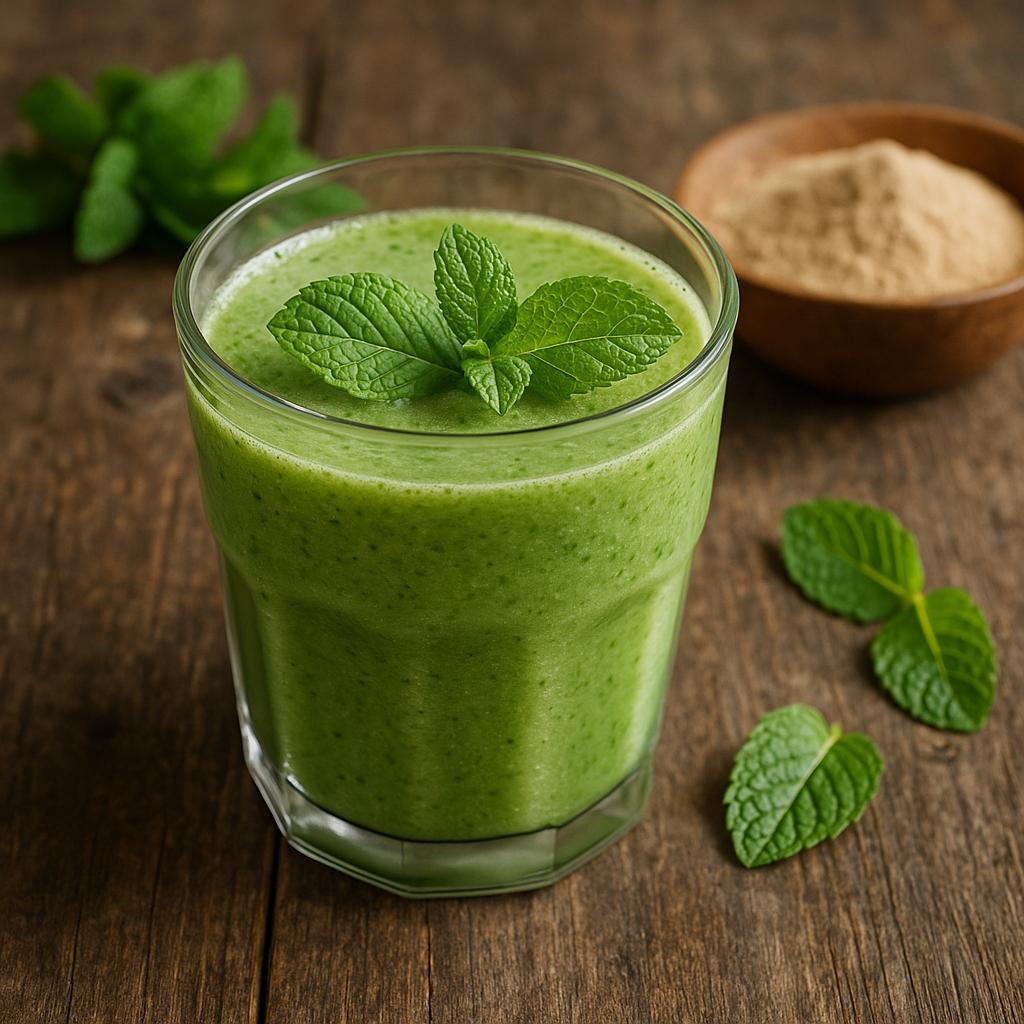
This smoothie, ready in 3 minutes, combines banana, spinach, and baobab powder for a vitamin shot:
- 1 ripe banana
- 1 handful of fresh spinach
- 200 ml of coconut water
- 1 teaspoon of baobab
Blend everything until smooth. The fibers in baobab give a slight creaminess and slow the rise of blood sugar.
Quick chia-style pudding & baobab
No cooking, ready in 5 minutes flat:
- 2 tablespoons of chia seeds
- 150 ml of plant-based milk
- 1 teaspoon of baobab
- 1 teaspoon of maple syrup
Mix all ingredients, let rest for 5 minutes, stirring halfway through. You get a pudding rich in omega-3, fiber, and vitamin C.
Vitamin-packed vinaigrette
To brighten up your salads in no time:
- 3 tablespoons of olive oil
- 1 tablespoon of apple cider vinegar
- ½ teaspoon of baobab
- Salt, pepper, fresh herbs
Express lemony snack
A spoonful of baobab mixed with 2 tablespoons of Greek yogurt, a lemon zest, and almond flakes: here is a snack that is both digestive and energizing, to enjoy between meetings.
FAQ
What is the best time to consume baobab?
In the morning, on an empty stomach, to stimulate digestion and maximize vitamin C absorption. It can also be taken before physical exercise for a gradual energy supply.
Is baobab powder suitable for children?
Yes, from 3 years old, in very small amounts (½ teaspoon), well mixed into yogurt or a smoothie. The sweet and tangy flavor is generally liked by younger children.
How to store baobab powder?
Keep away from light and humidity, in an airtight container. It keeps for 12 to 18 months without losing its qualities.
Can baobab replace flour in cakes?
Baobab contains no gluten and does not provide sufficient binding properties. It is rather used as a complement (10% of the flour weight) to enrich the recipe.
Are there any contraindications?
No major risks, provided not to exceed 10 g per day. In case of severe digestive disorders or autoimmune diseases, it is better to consult a professional.