
| Key points | Details to remember |
|---|---|
| 🔍 Definition | Vitamin D plays an essential role in calcium absorption and immune system regulation. |
| 😣 Causes | Supplement form, dosage, and timing of intake can cause digestive discomfort. |
| ⚠️ Symptoms | Nausea, bloating, diarrhea, or abdominal cramps. |
| 🛠️ Strategies | Change form (liposomal, oily), split doses, or ensure proper food timing. |
| 🍽️ Alternatives | Rich foods (fatty fish, UV-exposed mushrooms) and combinations with magnesium and vitamin K2. |
| 🩺 When to consult | Persistence of symptoms beyond two weeks or systemic effects (weakness, bone pain). |
Digestive issues related to vitamin D sometimes come as a surprise, as this nutrient is often associated with bone and immune health. However, inappropriate intake can trigger nausea, cramps, or even diarrhea. The goal is not only to relieve temporary discomfort: it is to enable effective supplementation without side effects, and to ensure that vitamin D fully plays its role in the body. Let’s dive into the mechanisms, warning signs, and solutions to definitively put an end to these unpleasant symptoms.
Sommaire
Vitamin D and the digestive system: a fragile balance
Why vitamin D can upset digestion
Contrary to popular belief, vitamin D is not “neutral” for everyone. Liposoluble molecules, administered in large quantities, put the digestive tract on alert. One might think that adding fats is enough to guarantee smooth absorption, but in reality, some formulations (powder, thickened tablets) can irritate the intestinal lining. Moreover, taking it on an empty stomach increases the risk of reflux, whereas the same dose taken with a fat-rich meal is absorbed more gently.
Identifying Warning Signs
Common Symptoms
- Persistent nausea, often felt within 30 to 60 minutes after intake.
- Bloating and sensations of abdominal heaviness, as if the meal is stagnating.
- Diarrhea or loose stools, indicating an abnormal acceleration of transit.
- Cramps and localized pain, sometimes confused with functional colopathies.
These manifestations vary from one person to another. While some take pills without flinching, others almost immediately feel discomfort. Age, the microbiota, and intestinal motility play a silent but decisive role in this sensitivity.
Strategies to Soothe Digestion
Adapting the Form of Vitamin D
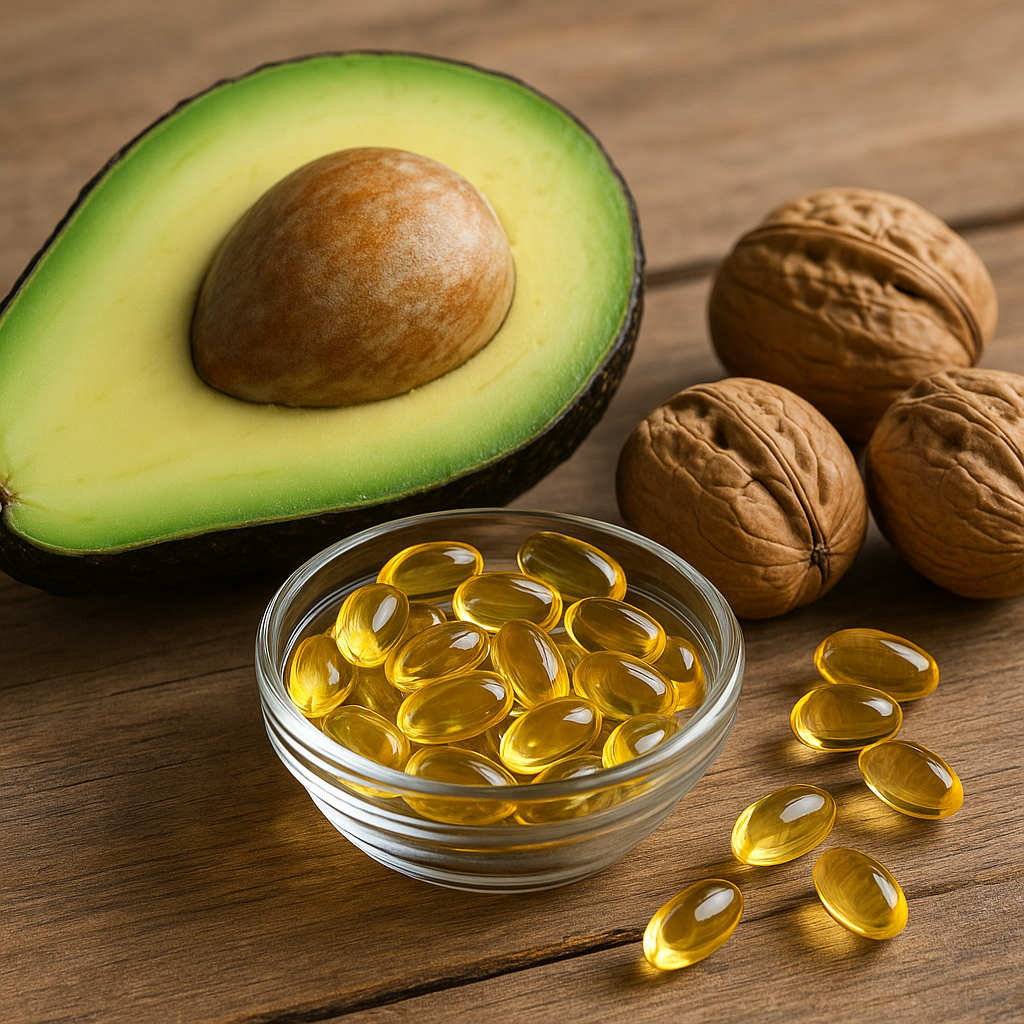
Changing the form sometimes improves tolerance. Oil capsules, for example, release the molecule more slowly. Liposomal versions protect the vitamin from gastric juices, limiting harsh contact with the mucosa. In practice, one can test a format for 2 to 4 weeks and observe symptom evolution before judging its effectiveness.
Administration Techniques
- Split the daily dose into small intakes (e.g., twice 1,000 IU rather than once 2,000 IU).
- Take it with a meal rich in “healthy” fats (avocado, nuts, olive oil).
- Incorporate vitamin D into a culinary preparation (yogurt, smoothie). This dilution minimizes direct contact with the gastric wall.
Changing the timing can also have a positive surprise: for some, taking it in the evening rather than in the morning greatly reduces acid reflux.
Natural Alternatives and Supportive Supplements
Food Sources Rich in Vitamin D
Joking aside, we’re not going to shuck oysters by hand every day, but wild salmon, sardines, or UV-exposed mushrooms remain excellent options. In other words, they naturally provide vitamin D without resorting to concentrated formulations.
Other Supplements to Support Absorption
Magnesium acts as a co-factor, facilitating the conversion of vitamin D into its active form. Likewise, vitamin K2 partners with D to direct calcium toward the bones rather than the arteries. These combinations can reduce the necessary doses and, consequently, the risk of digestive disorders.
When to Consult a Professional
If, despite these adjustments, discomfort persists beyond two weeks, consultation is necessary. A doctor or nutritionist can assess a possible more global imbalance, prescribe a blood test for 25(OH)D, and detect other deficiencies. This is often the only way to restore sustainably tolerated supplementation.
Frequently Asked Questions (FAQ)
Can side effects be felt from the very first dose?
Yes, in the most sensitive individuals, nausea and reflux can appear immediately. This does not necessarily mean incompatibility, but rather a problem with the form or timing.
What daily dose is really necessary?
The standard recommendation ranges between 800 and 2,000 IU per day, but some profiles (age, high BMI, dark pigmentation) may require adjustment by a professional.
Is cod liver oil a good option?
It naturally provides vitamin D and omega-3s. However, its strong taste and stability (oxidation) make it a less favored solution, unless opting for modernized capsules.