| Key Points | Details to Remember |
|---|---|
| 🌱 Definition of Successful Aging | Maintaining functional abilities and autonomy through a proactive nutritional approach |
| ⚠️ Risks of Malnutrition | Responsible for 40% of unplanned hospitalizations in those 70+ according to HAS |
| 🍗 Protein Priority | Increased need of 1-1.2g/kg/day to preserve muscle mass |
| 🔍 Early Detection | The MNA (Mini Nutritional Assessment) identifies risks in 5 minutes |
| 👨⚕️ Role of Caregivers | Monitoring monthly weight and dietary changes |
| 💡 Practical Solutions | Enriching dishes without extra volume |
The increase in life expectancy raises a central question: how to transform these gained years into a period of vitality rather than gradual decline? The answer lies as much on our plates as in medical offices. Contrary to popular belief, nutritional needs increase with age while appetite decreases, creating a silent trap. Recent studies show that targeted nutritional intervention before age 65 reduces the risk of later dependency by 60%.
Sommaire
Aging and Nutrition: An Inseparable Duo
Our metabolism undergoes an invisible shift around sixty. Sarcopenia, this natural muscle loss, accelerates at a rate of 1% per year after age 70. Yet each kilogram of muscle lost increases the risk of falling by 20%. The paradox? While protein needs rise to slow this hemorrhage, the production of digestive hormones like ghrelin (the hunger hormone) drops by 30%. It’s as if our body sabotages its own supply.
The Domino Effect of Malnutrition
Imagine a physiological house of cards: a vitamin D deficiency leads to poorer calcium absorption, weakening bones. Fragile bones limit mobility, reducing appetite through sedentariness. This vicious circle explains why malnutrition quadruples postoperative mortality in seniors. Yet a simple 5% loss of body weight in one month often goes unnoticed during consultations.
Sentinel Nutrients
Certain micronutrients play a disproportionate role in healthy longevity:
- Vitamin B12: 15% of those over 65 have a deficiency linked to gastric atrophy, causing fatigue and neurological disorders
- Zinc: Deficiency in 30% of seniors, yet crucial for immunity and wound healing
- Omega-3: Reduces chronic inflammation, a true accelerator of cellular aging
Screening Strategies: Seeing the Invisible
Malnutrition is a stealthy predator. Before the scale sounds the alarm, subtle signs appear: jeans suddenly loose, canned food piling up, fatigue wrongly attributed to age. Professionals have tools unknown to the general public.
The MNA: Nutritional Thermometer
This scientifically validated questionnaire assesses six dimensions in under 10 minutes:
- Recent weight loss
- Food intake
- Mobility
- Psychological stress
- Neuropathies
- BMI
Its major asset? Detecting risks before confirmed deficiency. A Lyon study showed that systematic use in nursing homes reduced hospitalizations for nutritional complications by 70%.
The Clinical Exam That Speaks
Certain body signs are worth a thousand blood tests:
- Calf circumference < 31 cm = sarcopenia alert
- Brittle nails and dull hair = protein deficiency
- Bleeding gums = vitamin C deficiency
“A senior who says ‘I am no longer hungry’ deserves the same attention as a child crying in pain” – Prof. Agathe Raynaud-Simon, geriatrician at Bichat Hospital
Preventive Nutrition: Cook Your Youth
Adapting one’s diet after 60 does not mean giving up pleasure. On the contrary, it means rediscovering flavors while protecting health capital. The key? Nutritional density.
The 4 Pillars of the Longevity Plate
| Category | Recommendations | Practical Tips |
|---|---|---|
| Proteins | 1 portion at each meal | Soft-boiled egg rather than hard for better digestion |
| Hydration | 1.5L/day even without thirst | Cold fruit-flavored infusions |
| Fibers | 30g/day | Chia seeds in compotes |
| Vitamins | Focus on B12 and D | Expose hands/face 15 min/day |
Enrich Without Heaviness
When appetite wanes, every bite counts. Simple techniques multiply caloric intake without increasing volume:
- Add powdered milk to purees
- Favor raw oils (rapeseed, walnut) on vegetables
- Use egg yolks to thicken sauces
The Surroundings: Nutritional Watchtower
Eating alone reduces food intake by 30% according to the NutriActiF study. Social isolation creates a double penalty: less desire to cook and absence of informal monitoring. Family caregivers play a crucial role in spotting subtle changes.
Signals to Watch for by Relatives
Three indicators deserve particular attention:
- The fridge witness: Expired foods or lack of variation
- The eating ritual: Switching from seated meals to standing snacking
- The state of the teeth: Poorly fitting dentures that discourage eating
Frequently Asked Questions About Senior Nutrition
At what age should one adapt their diet?
From age 50, vigilance is required. Nutritional prevention acts like a health savings account: the earlier you start, the greater the benefits in old age.
Are dietary supplements necessary?
They can fill specific deficiencies (B12, vitamin D) but do not replace a varied diet. Their use must be medically supervised to avoid overdoses.
How to stimulate a senior’s appetite?
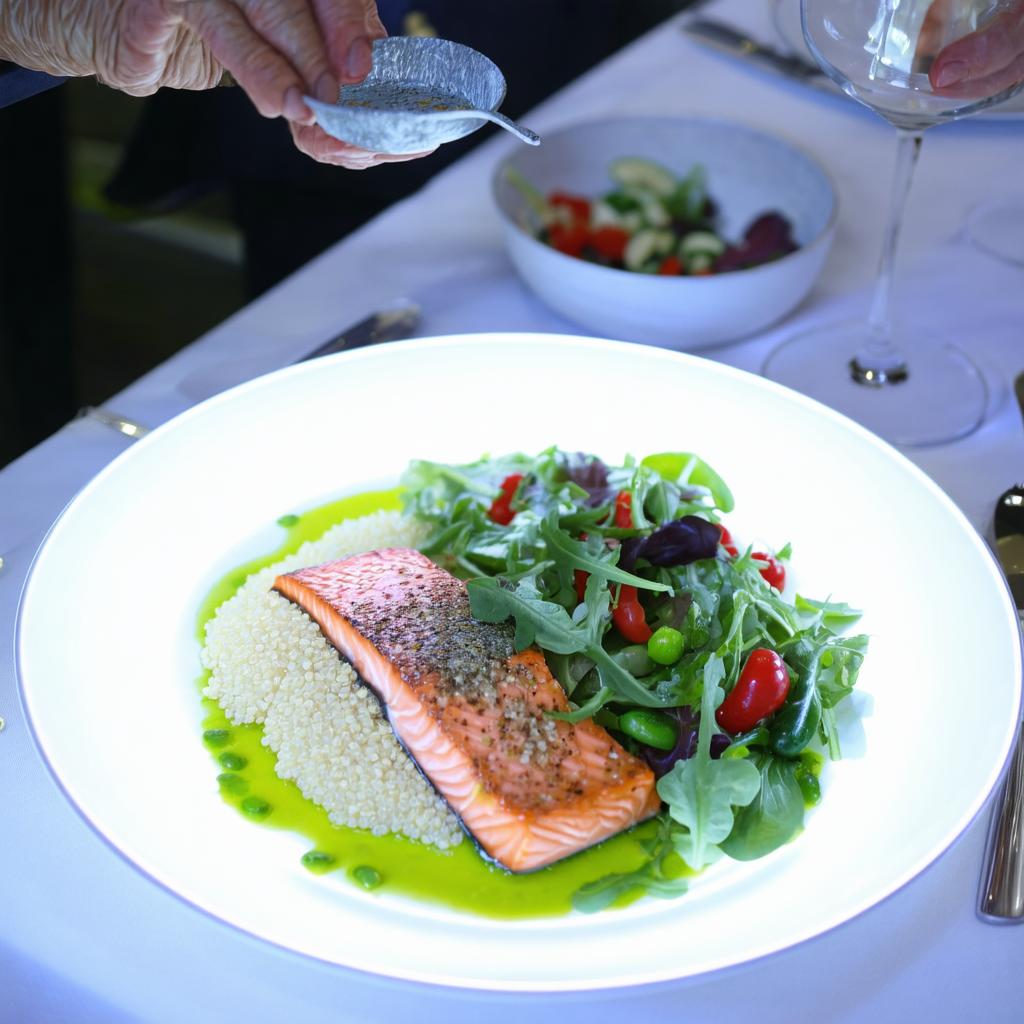
Reintroduce sensory pleasure: colorful presentation, mild spices (turmeric, cinnamon), shared meals. Taste stimulation decreases with age, requiring stronger flavors.
When to worry about weight loss?
Any involuntary loss of 4kg in one month or 10% of body weight in six months justifies immediate medical consultation. Never attribute it to “getting older”.