| Key Points | Details to Remember |
|---|---|
| 🥗 Definition | Alternate vegetarian days and days with meat on an occasional basis. |
| 🌿 Health Benefits | Reduce cardiovascular risks and inflammation. |
| 🌍 Environment | Decrease the carbon footprint linked to intensive livestock farming. |
| 💡 Methods | Plan your menus and gradually replace animal proteins. |
| 🍛 Alternatives | Vary legumes, whole grains, and plant-based substitutes. |
| 🛒 Budget | Optimize your purchases by favoring local and seasonal products. |
| ⚠️ Pitfalls | Ensure protein balance and avoid excessive processed foods. |
Flexitarianism is defined by a desire to moderate meat consumption without completely excluding it: an approach that appeals to more and more households concerned about their health and the environment. By adopting this way of eating, one allows oneself greater freedom while reducing the ecological footprint of their plate. But how to approach this change gently, without frustration or nutritional imbalance? This article explores the challenges, steps, and resources to help you embark calmly on a flexitarian diet.
Sommaire
What is flexitarianism?
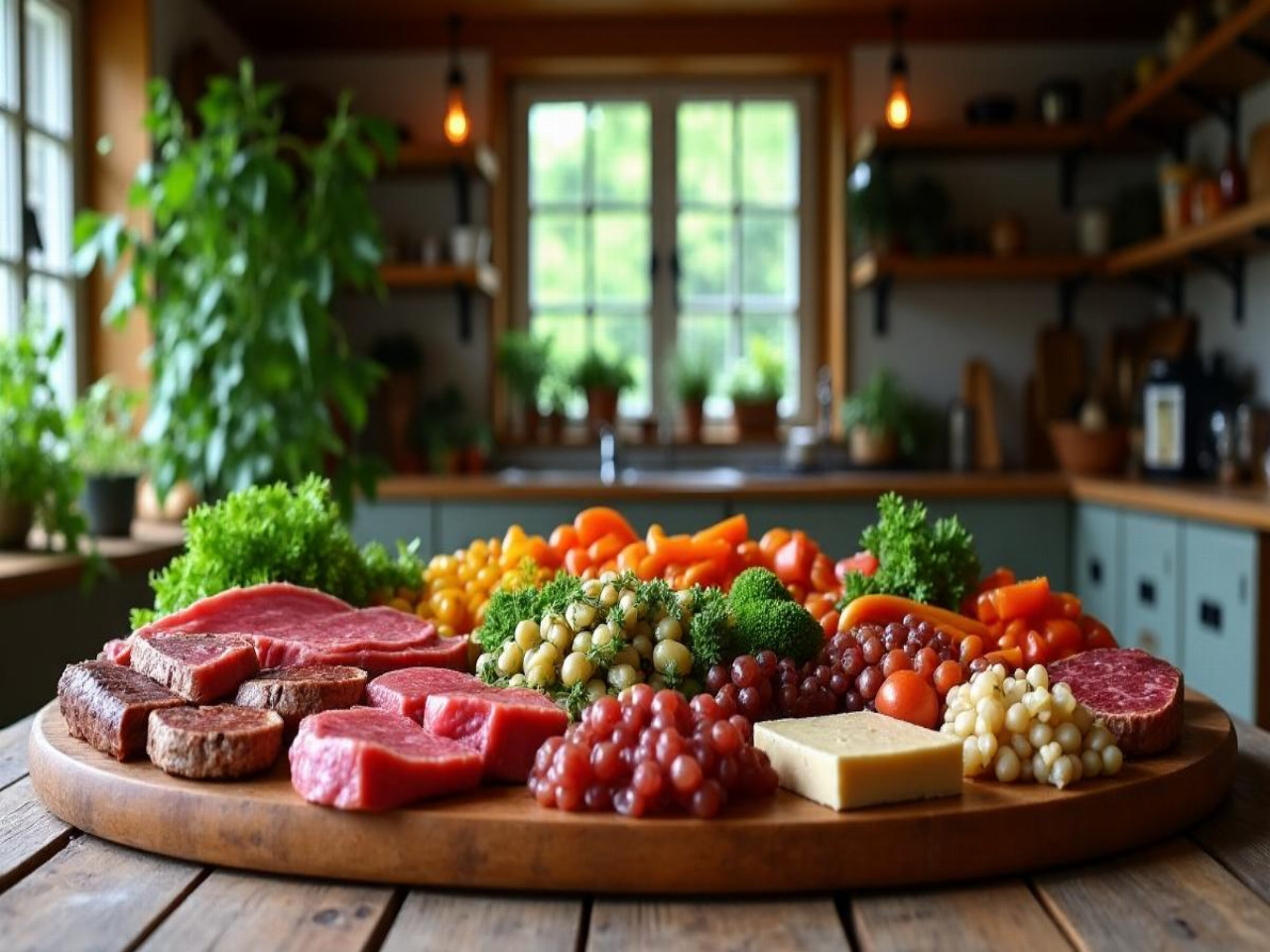
More than just a buzzword, flexitarianism symbolizes a balance between gustatory pleasure and responsibility. Literally “flexible” and “vegetarian,” this diet encourages rethinking the presence of meat in our meals, not to abolish it outright, but to consider it as an occasional ingredient, complemented by a multitude of plant-based alternatives. One might think it’s only about replacing steaks with vegetables, but in reality, it’s a whole culinary lifestyle that is created.
The infographic above illustrates a progressive curve: each week, the portion of meat is reduced until reaching a satisfactory pace, for example, two to three meat-based meals per week. This gradual approach helps overcome the psychological aspect of change and establish new sustainable habits.
Why adopt a flexitarian approach?
Health benefits
Studies show that excessive intake of red or processed meat is often associated with an increased risk of cardiovascular diseases and certain cancers. By incorporating more vegetables, fruits, legumes, and whole grains, one boosts their intake of fiber, antioxidants, and essential fatty acids. Conversely, one reduces saturated fats and cholesterol, which concretely results in better blood pressure and a strengthened immune system.
Environmental impact
Livestock accounts for nearly 14.5% of global greenhouse gas emissions. Therefore, every portion of meat saved translates into a significant reduction in water and arable land consumption. By occasionally choosing a plant-based plate, one becomes an actor in more resource-respectful consumption of the planet.
Economy and budget
Contrary to popular belief, plant proteins (lentils, chickpeas, tofu) are often less expensive than meat. Some cereals like oats or quinoa may seem like an initial investment, but their versatility (breakfast, salads, bowls) maximizes their profitability. In the long run, the wallet lightens and new flavors are discovered without breaking the bank.
How to implement a flexitarian diet?
1. Progressive reduction of meat
Start with one meat-free day each week, then move to two, even three. Rather than feeling guilty, focus on the pleasure of composing dishes differently: vegetable curry, chili sin carne, or colorful Buddha bowls. The key lies in consistency: it is better to reduce sustainably than to stop abruptly and give up entirely.
2. Diversification of protein sources
- Legumes (lentils, chickpeas, red beans): cook in soups or curries.
- Soy-based products (tofu, tempeh): marinate and grill for more flavor.
- Whole grains (quinoa, buckwheat, oats): mix with vegetables in salads or patties.
- Tree nuts (walnuts, almonds): add as garnish or in smoothies for omega-3 intake.
3. Meal and shopping planning
A weekly menu, accompanied by a precise shopping list, avoids impulsive purchases and ready-made dishes too rich in additives. Moreover, planning meals allows you to make use of leftovers (jars of legumes, market vegetables) for quick and balanced recipes.
4. Culinary techniques and tips
- Grill vegetables to intensify flavors.
- Use spices and fresh herbs to compensate for the meat.
- Prepare “bases” (homemade broths, light sauces) to enrich your dishes without calorie overload.
Plant-based alternatives to meat
The market today is full of surprising options: textured soy protein, legume-based patties, seitan, grilled portobello mushrooms… Each offers a different texture and taste, opening a range of new flavors for your palate. Experiment, vary culinary cultures, and enjoy discovering these alternatives in organic stores or specialized sections.
| Substitute | Proteins (per 100 g) | How to cook it |
|---|---|---|
| Firm tofu | 12 g | Marinated, sautéed, or in skewers |
| Tempeh | 19 g | Pan-fried, sliced in a salad |
| Lentils | 9 g | Boiled in soup or curry |
| Seitan | 25 g | Grilled, sliced for tacos |
| Mushrooms | 3 g | Roasted, stuffed, or in a veggie burger |
Mistakes to avoid
- Thinking that replacing meat justifies all industrial dishes: better to favor homemade meals.
- Neglecting protein diversity: risking a lack of essential amino acids.
- Going from one extreme to another: too abrupt a change can cause deficiencies.
- Forgetting supplements (B12, omega-3) if necessary, especially during a prolonged transition.
FAQ
1. Is flexitarianism suitable for the whole family?
Yes, it easily adapts by adjusting portions and integrating playful variants for children, such as chickpea burgers or tofu nuggets. The idea is to co-create meals so that everyone finds their place and explores new tastes.
2. How to assess my meat consumption?
A food diary, even a simple one, allows tracking the number of meat meals per week. Gradually, one adjusts the “meat-free” meals and notes energy sensations to refine their flexitarian pace.
3. What supplements to take in case of deficiency?
Vitamin B12 supplementation and flaxseed or rapeseed oil for omega-3 are often recommended. Before taking any, do not hesitate to have a blood test to adjust the dosage to your actual needs.
4. Can we continue to eat meat on festive occasions?
Absolutely. Flexitarianism does not eliminate conviviality around a barbecue or festive meal. It is rather about reducing frequency, not the quality of the shared moment.