
| Key Points | Details to Remember |
|---|---|
| 🤸 Definition | Soluble polysaccharides extracted from oats |
| ❤️ Benefit | Reduction of LDL cholesterol |
| 📂 Dose | 3 g per day for a cholesterol-lowering effect |
| 🧣 Sources | Whole oat flakes, bran |
| 🛠 Optimization | Fine grinding, prolonged cooking |
For several years now, oat beta-glucans have been attracting growing interest among those who want to control their cholesterol levels without necessarily resorting to drug treatments. Yet, the question often arises: how to reach the effective dose, close to 3 g per day, to observe a decrease in LDL cholesterol? Between product variations, ways of preparing them, and absorption by the body, the path is not always straightforward. Let’s dive into the mechanisms, practical sources, and tips to optimize this intake daily.
Sommaire
Understanding oat beta-glucans
Beta-glucans are part of the soluble fiber family, but they stand out due to their unique molecular structure, forming a viscous gel in the digestive tract. This gel slows the absorption of fats and dietary cholesterol, creating a buffering effect that reduces the amount of LDL cholesterol in the blood. At the same time, these fibers promote the production of short-chain fatty acids in the colon, indirectly modulating hepatic cholesterol metabolism.
Mechanism of action at the intestinal level
In the presence of water, beta-glucans swell and form a gelled network that partially traps bile acids, necessary to emulsify fats. The body is thus led to draw more from its cholesterol reserves to recreate them, causing a circulating decrease. This process is accompanied by a slowing of gastric emptying, and you feel satiated more quickly.
Effect on the lipid profile
Clinical studies show that a daily dose of 3 g of oat beta-glucans can reduce LDL cholesterol by 5 to 10% within a few weeks. The impact on HDL cholesterol is more moderate, even stable, while triglycerides do not seem to vary much. It is therefore an interesting lever to specifically target the “bad” fraction of cholesterol.
What dose to aim for and how to measure it?
Reaching 3 g of beta-glucans is equivalent to consuming about 60 to 70 g of whole oat flakes per day. You can also turn to enriched products, such as certain breakfast cereals or standardized dietary supplements. The important thing is to check the label: the concentration of beta-glucans varies greatly depending on the part of the oat used (bran, whole grains, raw flour).
Comparison of Food Sources
| Product | Beta-glucan content (g/serving) |
|---|---|
| Whole oat flakes (60 g) | 2.0 g |
| Oat bran (30 g) | 1.8 g |
| Oat flour (50 g) | 1.5 g |
| Enriched granola (50 g) | 2.5 g |
| Standardized supplement | 3.0 g |
Optimizing Daily Intake
Beyond simply choosing the product, preparation plays a key role. Fine grinding increases the contact surface for gel formation, and prolonged cooking promotes the extraction of beta-glucans into the water.
- Flakes soaked overnight: let them swell overnight in a little water or plant-based milk.
- Cook as porridge: about ten minutes on low heat, stirring regularly.
- Add to smoothies: 30 g of fine flour or oat bran easily dissolves in a fruity shake.
- Include in savory recipes: vegetable patties or homemade breads, oat flour pairs perfectly.
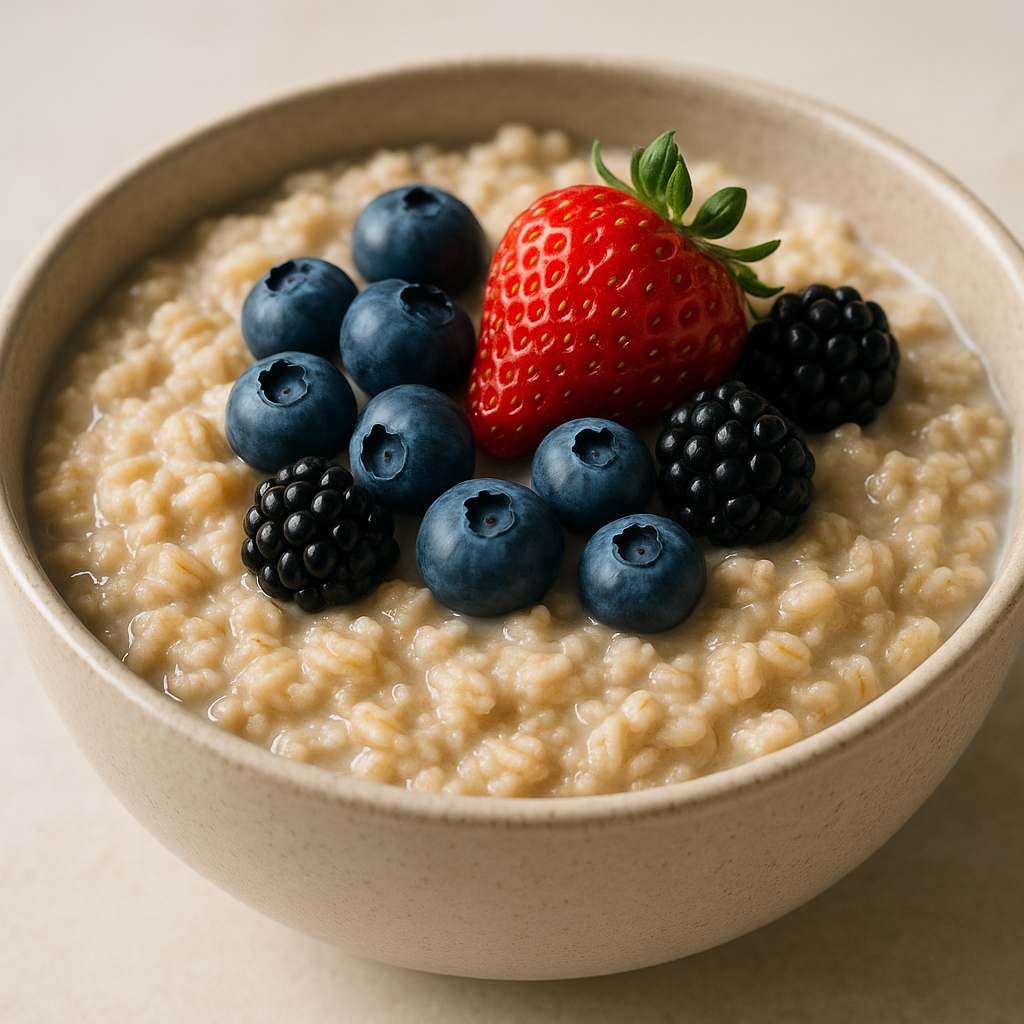
The trick is to split your daily ration: for example, 30 g of flakes at breakfast, an enriched yogurt at lunch, and 10 g of oat bran in a snack. This avoids the “spike” effect and maintains a constant level of viscoelasticity in the intestine.
Timeframe to Observe a Cholesterol Reduction
It is generally estimated that it takes 4 to 6 weeks before measuring a significant change in LDL cholesterol. In some cases, depending on the metabolic profile, it can take up to 3 months. The key is to remain consistent and to combine beta-glucan intake with a balanced diet and regular physical activity.
Precautions and Contraindications
Beta-glucans are generally well tolerated, but a too rapid increase can cause bloating or temporary constipation. Be sure to drink enough (1.5 to 2 L of water per day). In case of anticoagulant treatment or diabetes, medical advice is recommended, as changes in digestive viscosity may interfere with the absorption of certain medications.
FAQ
How much oat flakes for 3 g of beta-glucans?
On average, you need 60 to 70 g of whole oat flakes, about 4 well-packed tablespoons.
Can the dose be reached through diet alone?
Yes, by diversifying sources and preparation methods. Supplements remain convenient if you lack time or have a strict dietary routine.
Is there a risk of overdose?
Beyond 10 g per day, some may experience digestive discomfort. It is better to introduce fibers gradually.
How long before seeing the cholesterol-lowering effect?
You can expect improvement from the first month, with a plateau generally reached between 6 and 12 weeks.