
| Key Points | Details to Remember |
|---|---|
| 🍒 Definition | Description of the rosehip fruit, rich in nutrients |
| 🌿 Composition | Vitamins C, A, E and powerful antioxidants |
| 💪 Benefits | Stimulates the immune system and protects cells |
| 📏 Dosage | 30 to 60 mg of vitamin C per day recommended |
| 🍵 Available forms | Infusion, powder, jelly or capsules depending on use |
| ⚠️ Precautions | Monitor interactions with anticoagulants |
| ⭐ Applications | Drinks, sauces, jams, homemade cosmetics |
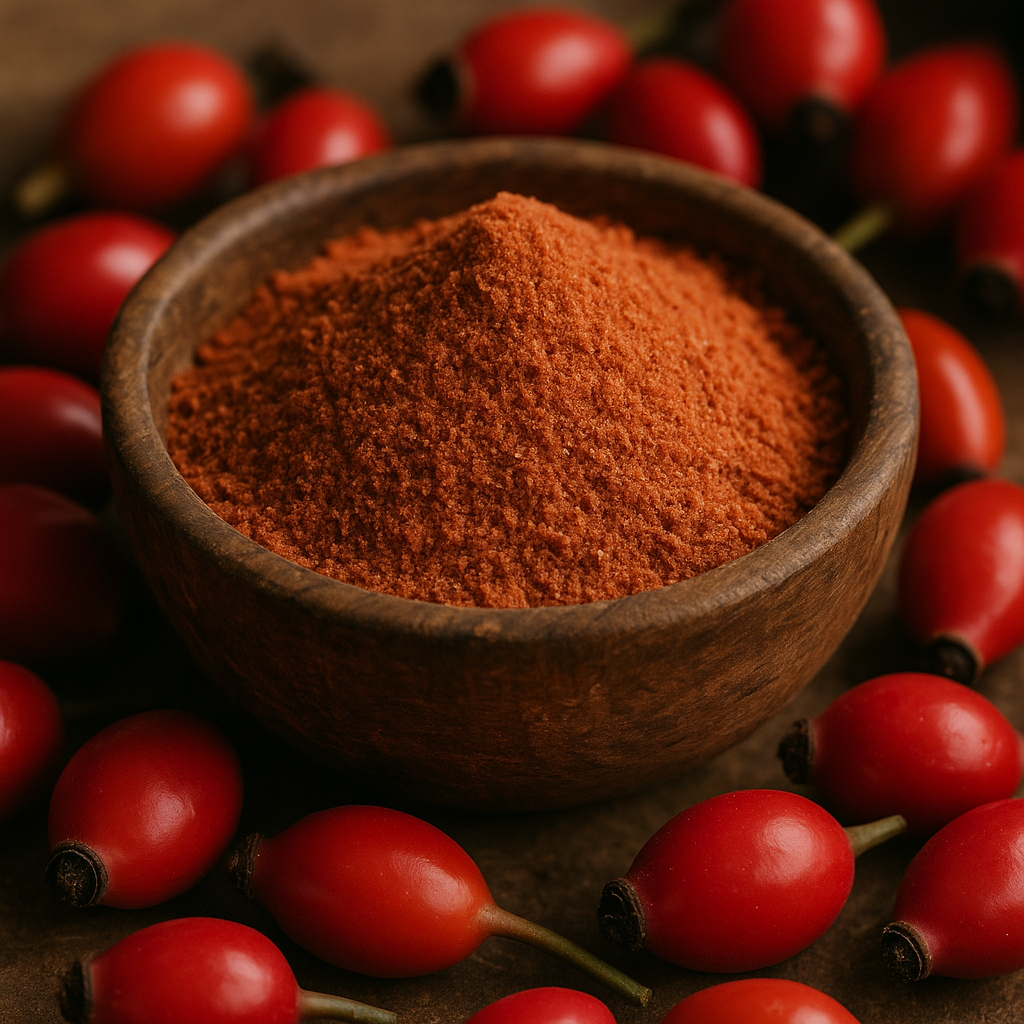
Rosehip, often called “musk rose,” refers to the colorful berry that follows the flowering of the wild rose. Rich in vitamin C and antioxidants, it easily fits into herbal teas, supplements, and even everyday cooking.
Sommaire
Origin and Composition of Rosehip
Rosehip grows on wild rose bushes that cover hedges in Europe and Asia. A true nutritional concentrate, it consists of vitamins, trace elements, and natural pigments.
History and Cultivation
“Hippocrates already praised the merits of the musk rose berry for strengthening the body.”
Since Antiquity, this berry has been hand-picked for its medicinal properties. Its virtues have endured through the ages: from popular use in herbal teas to modern extractions in capsules.
Nutritional Profile
- Vitamin C: up to 50% of the daily intake per 100 g of powder
- Vitamins A and E: support for vision and skin protection
- Polyphenols and flavonoids: targeted antioxidant action
- Soluble fibers: good intestinal health
Main Benefits
Rosehip stands out for a range of effects favorable to vitality and cellular protection.
Immune System Strengthening
Rich in natural vitamin C, rosehip supports the production of white blood cells and speeds recovery after a cold or a transient infection.
Antioxidant Action
Polyphenols neutralize free radicals and slow cellular aging. This property proves useful for skin health and the prevention of chronic diseases.
Joint and Digestive Support
Clinical studies suggest that regular intake of rosehip powder can reduce osteoarticular pain. Moreover, its fibers contribute to regular bowel movements.
Dosage and Available Forms
To fully benefit from rosehip, it is better to choose an appropriate form and respect the recommended dosages.
Recommended Daily Amount
Experts estimate that supplementation should provide between 30 and 60 mg of vitamin C per day. In powder form, this corresponds to about 1 teaspoon (3 g) twice a day.
Comparison of Forms
| Form | Advantages | Disadvantages |
|---|---|---|
| Powder | Versatile and measurable to the gram | Sometimes pronounced tangy taste |
| Capsules | Convenient and flavorless | Less economical in the long term |
| Infusion | Warm enjoyment, hydration | Low concentration per cup |
Incorporating Rosehip into Daily Life
Here is how to easily slip this berry into your recipes and health routines.
Revitalizing Infusion
- Pour 200 ml of simmering water over 1 teaspoon of powder.
- Let infuse for 5 to 8 minutes, strain and drink warm.
- Add a slice of lemon or a drizzle of honey to soften the taste.
Cooking Recipes
In jam or jelly, rosehip brings a unique tangy note. It can also be incorporated into a poultry marinade or sprinkled over plain yogurt for a vitamin-rich breakfast.
DIY Cosmetic Care
Thanks to its vitamin C content, a homemade mask made from rosehip powder and yogurt soothes and brightens the complexion.
Precautions and Contraindications
Despite its natural mildness, a few simple rules avoid discomfort.
- Allergies: test a small amount in case of skin sensitivity.
- Interactions: avoid in people on anticoagulants without medical advice.
- Overdose: beyond 2 g of vitamin C per day, risk of digestive discomfort.
Key Points
- Rosehip is a wild fruit rich in vitamin C and antioxidants.
- Recommended dosage: 30–60 mg of vitamin C daily, i.e., 3–6 g of powder.
- Varied forms: powder, capsules, infusion, jam.
- Applications: immune health, skin beauty, joint comfort.
- Precautions: monitor drug interactions and avoid overdose.
FAQ
What is rosehip?
It is the red berry of the wild rose, rich in vitamin C, used in herbal medicine and cooking.
What are its main benefits?
It strengthens immunity, acts as an antioxidant, and supports joint and skin health.
What is the daily dosage?
Between 30 and 60 mg of vitamin C, i.e., 1 to 2 teaspoons of powder spread throughout the day.
Which form should I choose?
Powder for flexibility, capsules for convenience, infusion for the pleasure of a hot drink.
Are there any side effects?
In case of overdose, mild digestive issues may occur; follow the daily recommendation.
How to prepare an infusion?
Pour hot water over 1 teaspoon of powder, let steep for 5 to 8 minutes, strain and enjoy.