| Key Points | Details to Remember |
|---|---|
| 🍽️ Definition | Low-carbohydrate diet inducing ketosis |
| ⚖️ Goal | Burn fat as the main energy source |
| 📝 Macronutrients | 70–75% fats, 20–25% proteins, 5–10% carbohydrates |
| 🥦 Key foods | Avocados, fatty fish, healthy oils, green vegetables |
| 📅 Menus | Daily examples to get started |
| 💡 Tips | Hydration, electrolyte monitoring, gradual transition |
Entering ketosis means redirecting your metabolism towards burning fat instead of carbohydrates. This comprehensive guide will accompany you step by step: from the theory of ketosis to daily practice, including sample menus and advice to overcome difficulties. You will understand how to balance your fats, proteins, and carbohydrates, which foods to prioritize or avoid, and above all how to establish a sustainable routine that fits your lifestyle.
Sommaire
What is the ketogenic diet?
Principle of ketosis
Usually, the body draws its energy from glucose derived from carbohydrates. By drastically limiting these, an adaptive mechanism is triggered: the liver converts fatty acids into ketone bodies (acetoacetate, beta-hydroxybutyrate, acetone). These molecules then become the main energy source for the brain and muscles. This transition, called ketosis, can take between 2 and 7 days depending on your physical activity, glycemic status, and water intake.
Expected benefits
The ketogenic diet attracts interest for several reasons:
- Faster weight loss thanks to reduced hunger and increased mobilization of stored fat.
- Stabilization of blood sugar, useful for prediabetic or type 2 diabetic individuals.
- Positive effects on concentration and mood, linked to more consistent brain energy.
- Anti-inflammatory potential, as ketosis reduces certain pro-inflammatory metabolic pathways.
Depending on your goals (weight loss, athletic performance, metabolic profile), these benefits will combine differently. The important thing is to listen to your body and adjust your intake.
Implementing the diet
Calculating macronutrients
To enter ketosis, the key lies in the fat/protein/carbohydrate ratio. Generally, the target is:
- 70% to 75% of daily calories from fats,
- 20% to 25% from proteins,
- 5% to 10% allocated to net carbohydrates.
The calculation may seem intimidating, but several apps or specialized spreadsheets guide you to determine your caloric needs and ideal distribution. The essential point is to keep carbohydrates very low (less than 30 g net carbs per day), while covering your protein needs to preserve muscle mass.
Foods to prioritize and avoid
Selecting the right foods greatly facilitates the transition. Here is a comparative table:
| To prioritize | To avoid |
|---|---|
| Avocados, olives, olive and coconut oils | Breads, pasta, rice, potatoes |
| Fatty fish (salmon, mackerel), fatty meats | Sugar, sweets, sodas |
| Eggs, hard cheeses | Fruit juices, sweetened smoothies |
| Green vegetables, mushrooms | Legumes (lentils, chickpeas) |
| Nuts, seeds (chia, flax) | Low-fat products poor in fat but high in carbohydrates |
Weigh or measure your portions at first to get used to the quantities. Over the weeks, your eye and sensations will gradually guide your choices.
Sample menus for beginners
Here are two typical days giving you an overview of what a balanced ketogenic meal looks like. Adjust portions to your energy needs.
Typical day 1
- Breakfast: scrambled eggs with butter, sautéed spinach, a few slices of avocado.
- Lunch: grilled chicken salad, lamb’s lettuce, walnuts, rapeseed oil.
- Snack: fresh cheese at 30% fat, a few chia seeds.
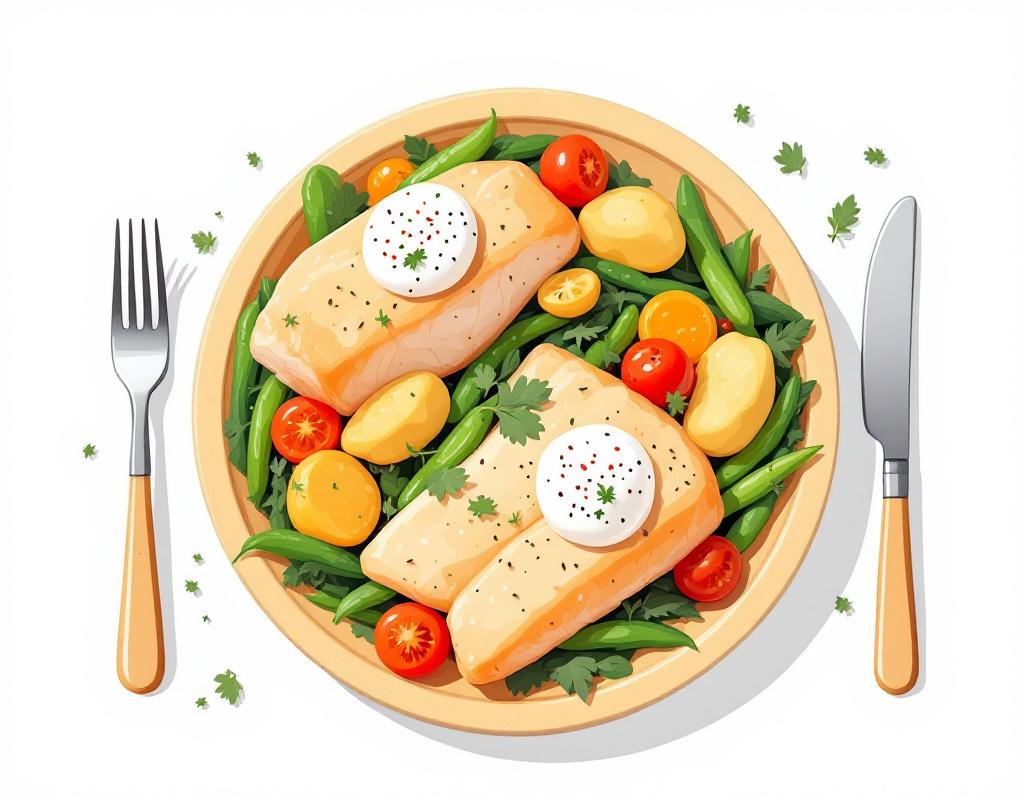
- Dinner: oven-baked salmon fillet, steamed broccoli with ghee.
Typical day 2
- Breakfast: green smoothie (spinach, coconut milk, low-carb protein powder).
- Lunch: 15% fat ground beef steak, arugula-tomato salad, olives.
- Snack: a few almonds and dark chocolate shavings (85% cocoa).
- Dinner: shrimp curry with cream and cauliflower “rice”.
Tips for success and maintaining ketosis
- Hydrate abundantly: diuresis increases, which can cause water and electrolyte loss.
- Supplement sodium, potassium, and magnesium to avoid cramps and fatigue.
- Plan your meals and carry keto-friendly snacks to avoid pitfalls when on the go.
- Alternate strict days and more flexible days if your goal is to balance social life and ketosis.
- Incorporate regular physical activity to stimulate fat burning and preserve muscle mass.
Side effects and how to limit them
At the start, you may experience what is called the “keto flu”: headaches, irritability, nausea. Most of the time, these symptoms disappear within 3 to 5 days if you:
- Drink enough and consume salt to compensate for electrolyte depletion.
- Do not reduce your calorie intake too abruptly.
- Make a gradual transition if you came from a very high carbohydrate diet.
In the long term, monitor your kidney function (creatinine, urine tests) and consult a healthcare professional if you have a history or doubts. Regular blood work follow-up is a safety guarantee.
FAQ
Is the ketogenic diet suitable for everyone?
No, it is not recommended for pregnant women, young children, or in cases of unstable liver or kidney disorders. Before starting, a medical check-up and consultation with a dietitian are essential.
Can you do intense physical activity in ketosis?
Yes, but adaptation may take a few weeks. During this phase, you might experience a drop in performance. After adaptation, many athletes notice better endurance and faster recovery.
How long should you stay on the ketogenic diet?
It depends on your goal: 6 to 12 weeks for significant weight loss, or occasional follow-up depending on metabolic needs. You can then switch to cyclical ketosis, alternating low and moderate carbohydrate phases.
How to exit ketosis without regaining weight?
Gradually reintroduce complex carbohydrates (legumes, low glycemic index fruits) while maintaining moderate fat intake. Stay attentive to portion sizes and continue to stay active regularly.