Sommaire
Mushrooms of Europe: photographic guide for amateur mycologists
| Key Points | Details to Remember |
|---|---|
| 🍄 European Diversity | Over 15,000 species including 200 edible and 30 deadly |
| 📸 Identification Photography | Multiple shots from different angles and cross-sections |
| 🔍 Key Visual Criteria | Cap, gills, stem and spore color are decisive |
| ⚠️ Vital Precautions | Never consume without confirmed expertise |
| 📱 Complementary Tools | Apps like iNaturalist for validation |
| 🌳 Picker’s Ethics | Moderate harvesting with a specific knife |
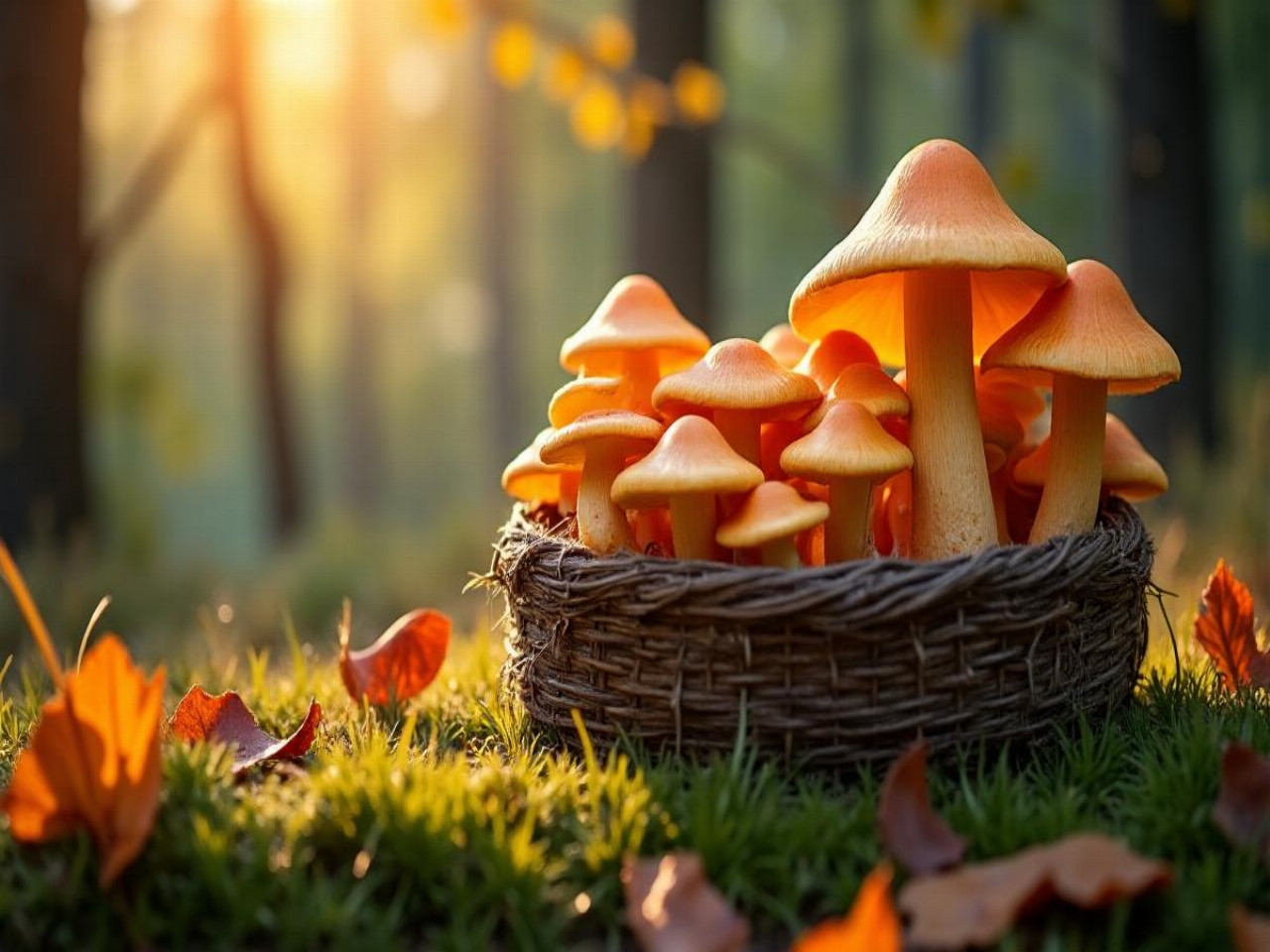
The European forest unfolds its mysterious fungal treasure every autumn. Beneath beeches and oaks, a miniature world emerges from the humus – rounded caps, tight gills, slender stems. For the curious walker, these ephemeral appearances inspire as much fascination as caution. Because behind the deceptive beauty of a fly agaric hide deadly traps, while the discreet chanterelle reveals unmatched flavors. This photographic guide provides the keys to navigate this ambiguous realm, where each shot becomes a botanical identity card.
Photography as an identification tool
A good mycological shot transcends a simple souvenir image. It captures details invisible to the naked eye: the slightly rolled margin of the porcini cap, the decurrent gills of the trumpet chanterelle, or the membranous ring characteristic of the parasol mushroom. Experts systematically recommend three shots: an overview showing the immediate environment (soil type, nearby trees), a close-up top view, and especially a photo from underneath revealing the structure of the gills or tubes. The last piece of the puzzle? A longitudinal cut exposing the internal flesh and its reaction to oxygen – like the instant bluish tint of the pale bolete signaling its toxicity.
Avoiding the traps of toxic look-alikes
Confusion between twin species causes serious poisonings every year. Take the death cap – responsible for 90% of mushroom-related deaths in Europe – often mistakenly picked for an early volva mushroom. Their difference? A crucial photographic detail: the sac-like volva buried at the base of the stem. Another classic trap: the chanterelle and its toxic impostor, the olive clitocybe. Their distinction relies on subtle visual criteria: thick, forked false gills in the first, versus fine, tight true gills in the second. Systematically photographing the underside saves lives.
Decoding morphological characters
The importance of the spore print
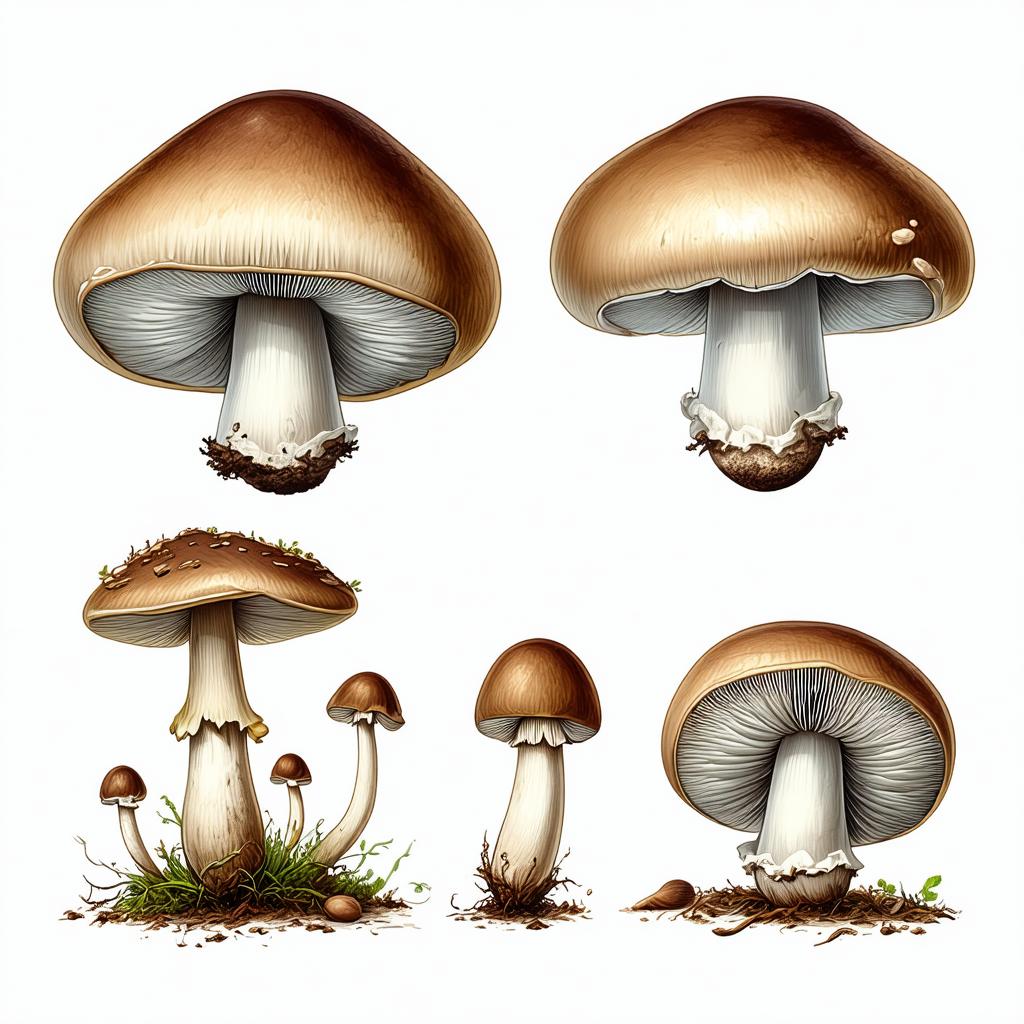
Spore color is a decisive taxonomic criterion often overlooked by beginners. To reveal it, place the cap on black and white paper for a few hours. The blusher amanita will deposit a white powder, while the shaggy ink cap will leave a charcoal black imprint. This simple test helps exclude dangerous confusions – like that between the oyster mushroom (lilac spore print) and the inverted clitocybe (white spore print).
Seasonal and geographical variations
The same mushroom can present radically different aspects depending on its development stage and habitat. The fairy ring mushroom – a highly prized meadow mushroom – adopts a convex and fleshy silhouette after autumn rains but shrinks into a miniature umbrella shape during dry summers. As for the charcoal burner russula, its hue shifts from purple to greenish gray depending on soil acidity. These metamorphoses explain why identification based solely on standard photos often fails.
Modern tools for the mycologist
AI identification apps like Champignouf or Fungitron promise miracles but have dangerous limitations. Their algorithms struggle to differentiate cryptic species such as cortinarius – a group including excellent edibles and formidable toxins. Their use must always be accompanied by human validation via collaborative platforms. On iNaturalist, certified experts analyze photos within 48 hours – a valuable additional safety.
Building your digital herbarium
Create a personal database with geolocated and dated photos. Note observations in EXIF fields: “fresh flour smell” for the delicious lactarius, “orange latex turning green” for the bloody milkcap. This visual journal allows tracking station evolution year after year and detecting climatic variations. In Auvergne, amateurs have thus documented the northward rise of the Burgundy truffle, a Mediterranean species.
Picker safety and ethics
The golden rule: when in doubt, abstain
Some confusions are unforgivable. The Judas ear, perfectly edible, closely resembles the deadly egg-shaped amanita. The only possible discernment? A slight texture difference at the base of the stem visible only under a microscope. Faced with these evil twins, photography shows its limits – only a complete sample with microscopic analysis offers certainty. In these extreme cases, it is better to give up.
Sustainable harvesting and regulations
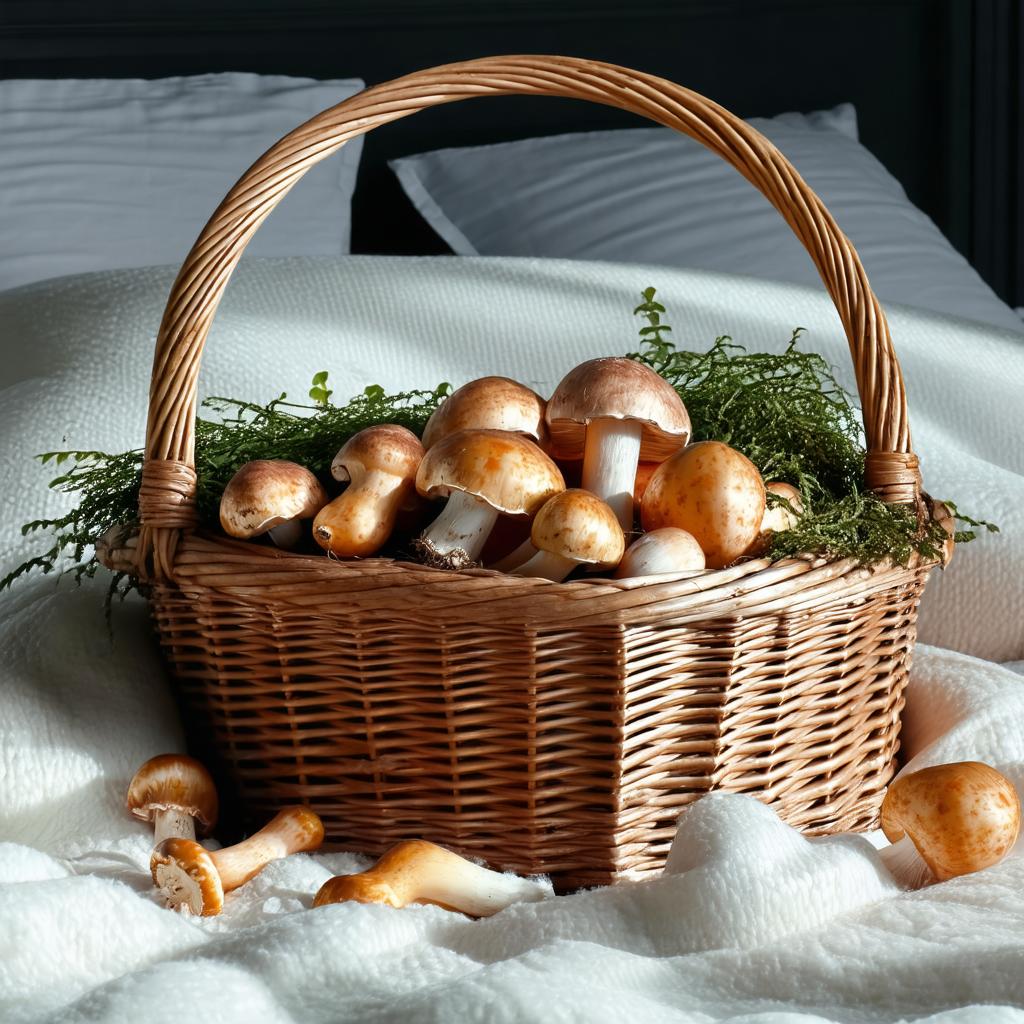
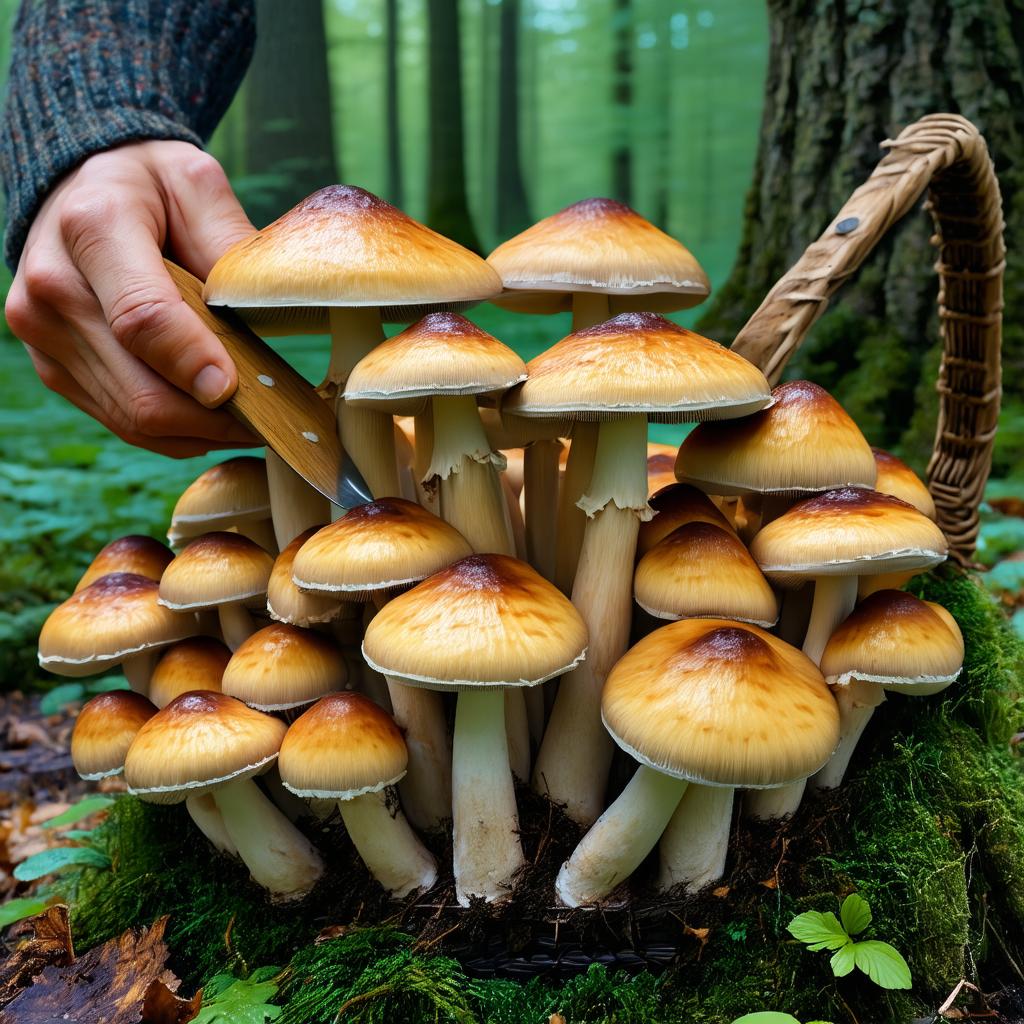
Human pressure threatens some fragile habitats. In Alsace, commercial morel harvesting is now limited, while the Cévennes National Park prohibits any picking in its central zones. Adopt appropriate equipment: a curved knife to cleanly cut the stem without uprooting the mycelium, a wicker basket allowing spore dispersal. Avoid plastic bags that accelerate decomposition and generate toxins.
From forest to plate
Some mushrooms require specific preparation. Raw morels release hemolysin – a toxin destroyed at 70°C – while the shaggy ink cap becomes dangerous if consumed with alcohol. Always photograph your specimens before cooking: their raw appearance is crucial evidence in case of poisoning. For cultivated species like shiitake, these precautions are less critical – their traceability eliminates confusion risks.
FAQ: Frequently asked questions about amateur mycology
Which mushrooms are easiest to identify for a beginner?
Favor species without dangerous look-alikes: the parasol mushroom (large size and sliding ring), the blue-foot mushroom (characteristic violet flesh), or the sulfur polypore (orange color impossible to confuse).
Should mushrooms be cleaned on site?
Just remove the coarse dirt with a brush. A thorough washing will be done at home, as moisture accelerates their decomposition during transport.
Are smartphone apps reliable?
They provide an initial guide but their error rate reaches 30% for complex species. Always consult a pharmacist or a mycological society before consumption.
The art of fungal identification is acquired as much by the eye as by patience. Each outing becomes a hunt for clues where the camera replaces the notebook. Keep in mind that some mycological puzzles resist even experts – nearly 20% of European mushrooms remain insufficiently documented. This element of mystery, precisely, perpetuates the magic of the undergrowth when the autumn mist envelops the centuries-old oaks.