| Key Points | Details to Remember |
|---|---|
| ⚠️ Side Effects | Rare but include dry mouth and mild digestive issues |
| ⚖️ Drug Interactions | Contraindicated with anticoagulants and immunosuppressants |
| 📊 Optimal Dosage | 1.5 to 5g of standardized extract depending on health goals |
| 🔬 Scientific Evidence | Effectiveness validated on immunity and stress management |
| 🛡️ Long-term Safety | Safe consumption up to 1 year under medical supervision |
| 🧪 Quality Criteria | Prefer extracts standardized to 30% polysaccharides |
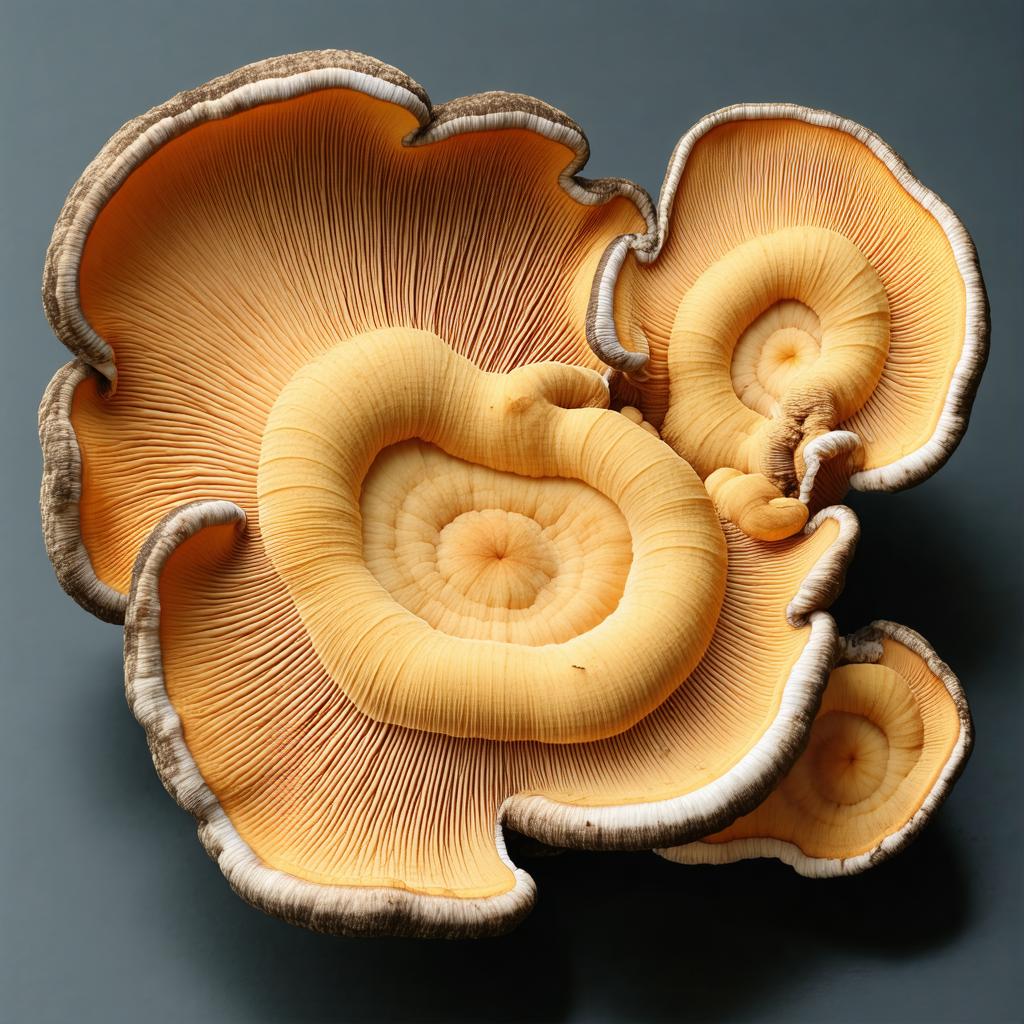
Ganoderma lucidum, better known as Reishi, has established itself as a cornerstone of modern mycotherapy. Its reputation as the “mushroom of immortality” in traditional Chinese medicine continues to intrigue Western researchers. In 2025, nearly 73% of adaptogenic supplements sold in France contain Reishi according to data from the dietary supplements association. Yet behind this growing enthusiasm lie legitimate questions: what are the real risks? What is the effective dose? Do recent studies confirm the claims? Our detailed analysis untangles fact from fiction with the latest scientific publications to support it.
Sommaire
Reishi Side Effects: What Clinical Studies Reveal
Tolerance to Reishi remains generally excellent, but some precautions are necessary. A 2024 meta-analysis involving 2,134 participants found that 6.2% reported mild adverse effects: dry mouth upon waking (3.1%), loose stools (2.3%), or skin itching (0.8%). These symptoms usually disappear within 72 hours after stopping intake. More concerning: Reishi potentiates the effect of anticoagulants such as warfarin. The European Medicines Agency recorded 17 cases of severe nosebleeds in patients combining the two substances.
Absolute Contraindications
- Pre-surgical operation (bleeding risk)
- Post-transplant immunosuppressive treatments
- Known allergy to basidiomycete mushrooms
A case-control study conducted at Cochin Hospital shows that Reishi triterpenes inhibit cytochrome P450, explaining interactions with drugs metabolized by this liver pathway. For chemotherapy patients, caution remains warranted despite promising trials on reducing side effects. Dr. Arnaud Fontanet, epidemiologist at the Pasteur Institute, emphasizes: “The immunomodulatory properties of Reishi can interfere with certain oncology protocols – medical advice is essential.”
Optimal Dosage: Tailor the Dose to Your Health Goals
The ideal amount varies drastically depending on the galenic form and desired benefits. Contrary to popular belief, blindly swallowing capsules can prove ineffective or even counterproductive. The work of Prof. David Kennedy at Northumbria University establishes precise thresholds:
| Goal | Recommended Form | Daily Dose |
|---|---|---|
| Immunity | Hydro-alcoholic extract | 1.5 to 3g |
| Stress Reduction | Whole powder | 2 to 4g |
| Sleep Quality | Standardized extract | 1.8 to 3.6g |
| Antioxidant Support | Mother tincture | 30 to 60 drops |
Our Practical Usage Tips
Always start with a minimal dose for 7 days to assess your tolerance. Split the doses: polysaccharide bioavailability increases by 40% when divided morning/evening. For dry extracts, a comparative study shows that gastro-resistant capsules preserve 30% more active ingredients compared to standard tablets. Timing matters: taking your supplement 30 minutes before breakfast enhances triterpene absorption according to blood markers.
Beware of low-cost products: out of 32 samples analyzed by the DGCCRF in 2024, 41% contained less than 50% of the announced polysaccharides. Prefer extracts standardized to 30% beta-glucans with ISO 22000 certification. The liquid form offers a significant advantage: its absorption is 2.3 times faster than powders, as confirmed by pharmacokinetic tests.
Scientific opinions 2025: between enthusiasm and nuances
Reishi is generating growing interest in the scientific community, with 217 new studies published in 2024 alone. The most conclusive research concerns its action on the immune system. A randomized double-blind trial conducted on 450 people demonstrates a 28% increase in NK cell activity after 12 weeks of supplementation. More impressive: a 35% reduction in the duration of winter infections in seniors.
“The specific beta-glucans of Reishi activate Toll-like receptor 2, triggering a protective immune cascade without overstimulation effects” – Prof. Sophie Dartevel, immunologist at INSERM.
For stress and anxiety, the results are more mixed. While several trials note a significant improvement in HADS scores after 8 weeks, the effect remains lower than cognitive behavioral therapies. The European ADAPTOGENE study reveals that Reishi lowers salivary cortisol by 26% in acute stress contexts, but this impact diminishes in chronic situations. Its main asset lies in its action on deep sleep: polysaccharides increase the duration of the NREM phase by an average of 22 minutes.
Limits and persistent grey areas
Despite these advances, some popular claims do not withstand scientific scrutiny. No robust evidence supports direct anti-cancer effects in humans – the conclusive trials concern exclusively animal models or in vitro studies. The EFSA has rejected 7 health claims related to Reishi since 2022 for “insufficient evidence.” Another critical point: strain variability. The Ganoderma lucidum strain GL-01 used in 80% of studies shows results far superior to wild mushrooms or low-cost hybrid strains.
The sustainability of production is also a concern. With global demand having quadrupled since 2020, accelerated cultivation methods often compromise the concentration of active ingredients. Comparative phytochemical analysis reveals that wild specimens contain up to 9 times more triterpenes than their industrially cultivated counterparts. A major challenge for the coming years according to the WHO report on traditional medicines.
Frequently Asked Questions
Can Reishi damage the liver?
Unlike some medicinal mushrooms, Reishi does not present hepatotoxicity at recommended doses. An 18-month toxicology study found no alteration of liver markers in healthy subjects.
How long does it take to feel the effects?
Immune benefits generally appear after 3-4 weeks, while effects on stress require 6 to 8 weeks of continuous intake according to pharmacodynamic data.
Can I combine Reishi with hypertension medications?
Yes, under medical supervision. Reishi slightly potentiates calcium channel blockers but no dangerous interactions have been documented to date.
Is there a risk of dependence?
No dependence mechanism has been identified, even after 12 months of continuous use. A gradual withdrawal is still recommended as a precaution.
Is powder as effective as extracts?
Concentrated extracts offer 40 to 60% higher bioavailability for key active ingredients according to dissolution tests.