| Key Points | Details to Remember |
|---|---|
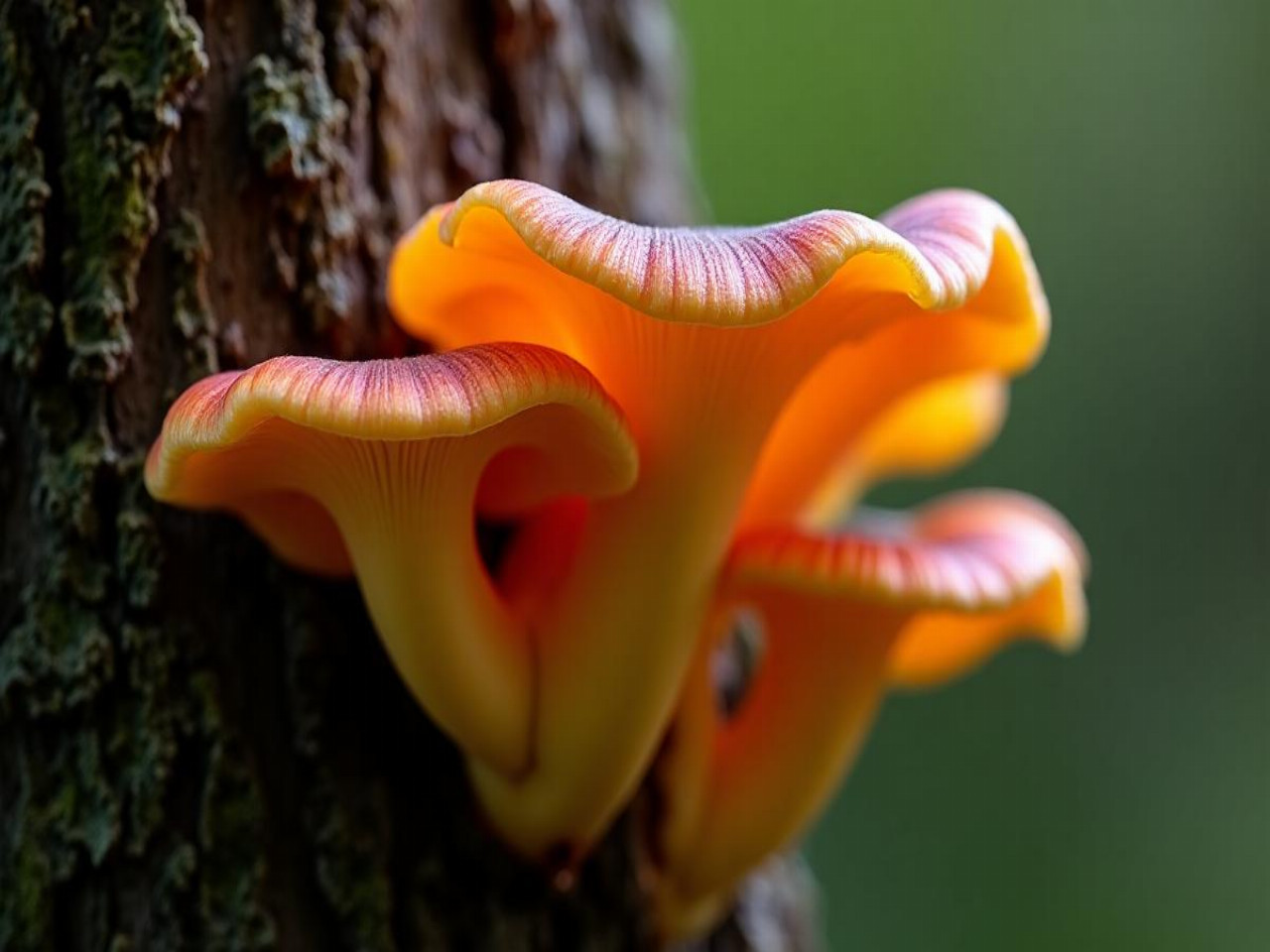
| 🍄 Identification | Gelatinous mushroom shaped like an ear, brown-violet color, grows on dead wood |
| 💊 Health Benefits | Rich in antioxidants, immune support, natural anticoagulant properties |
| ⚠️ Precautions | Risk of confusion with toxic species, interactions with blood-thinning medications |
| 🍽️ Culinary Use | Crunchy-gelatinous texture, intensely absorbs flavors, no dominant taste |
| 🌍 Origins | Used for 1500 years in traditional Chinese medicine under the name “mu er” |
| 🔬 Current Research | Promising studies on its bioactive polysaccharides and their anti-inflammatory effect |
Auricularia auricula-judae, commonly called Judas’s Ear, intrigues with its evocative shape and legendary history. This discreet mushroom that colonizes old elder trees hides remarkable properties both in cooking and phytotherapy. Between medieval myths and modern science, its consumption raises fascinating questions: what real benefits does it offer our body? Are there unknown risks? And how to prepare it to reveal its gastronomic potential? Our exploration untangles fact from fiction about this intriguing basidiomycete.
Sommaire
The Botanical Enigma: Deciphering Judas’s Ear
Unlike classic mushrooms, Auricularia develops thin cup-shaped fruiting bodies (2-5mm), elastic and translucent when hydrated. Its velvety outer surface contrasts with the smooth and slightly veined interior. A fascinating feature: its ability to resurrect after complete drying. Rehydrated, it regains its original gelatinous texture in less than 20 minutes – a rare property in the fungal kingdom.
Its popular name dates back to a medieval legend: it supposedly grew on the elder tree where Judas hanged himself. However, its presence far exceeds this macabre symbolism. In Asia, where it accounts for 10% of the world’s mushroom production, it is called “mu er” (wood ear) or “kikurage” in Japan. Modern mycologists classify it among the so-called “jelly fungi” for their characteristic consistency.
Where and how to find it?
This decomposer of dead wood particularly favors black elder trunks, but also colonizes maples, walnuts, and decaying beeches. Its season extends from October to March in the northern hemisphere, with a peak after autumn frosts. Beware of confusions: some close species like Auricularia mesenterica have denser hairs and a grayer color. For beginners, purchasing from a specialized supplier remains the safest solution.
Health benefits: beyond popular beliefs
The Judas’s ear is an unknown nutritional treasure. A 100g portion (dried) provides 70% of the daily intake of vitamin D, 55% of iron, and 40% of potassium. But its treasure lies in its complex polysaccharides: the β-glucans. These soluble fibers act as selective prebiotics, specifically nourishing Bifidobacterium and Lactobacillus – pillars of our gut microbiota.
Recent studies highlight other fascinating mechanisms:
- Anticoagulant activity: thanks to auricularin, a platelet inhibitory peptide
- Hypocholesterolemic effect: 15% reduction of LDL in rats fed daily
- Antioxidant power: ORAC score 3 times higher than shiitakes thanks to specific phenols
These properties make it an interesting supplement for vegetarian diets or people suffering from metabolic disorders. Like other adaptogenic mushrooms, it acts as a modulator of biological stress responses without a direct stimulating effect.
Scientific limits and realism
Despite promising in vitro results, human clinical trials remain rare. The often touted “anti-cancer” effect mainly relies on animal studies using concentrated extracts – far from culinary quantities. Dr. Laurent Hecquet, therapeutic mycologist, tempers: “Its polysaccharides boost immunity but do not replace any treatment. Their interest lies in a comprehensive preventive approach.”
Essential dangers and precautions
The main risk comes from confusions with toxic species such as Exidia glandulosa or certain crust fungi. A distinguishing criterion: Judas’s ear produces a white spore print, visible by placing the mushroom on black paper for 24 hours.
“Never consume without formal identification by a mycologist. Even edible, any wild mushroom can cause problems in sensitive individuals.”
Medical contraindications mainly concern:
- People on anticoagulants (warfarin, heparin)
- Pre-surgical operations (hemorrhagic risk)
- Allergic to mushrooms or molds
Another little-known point: its ability to bioaccumulate heavy metals. A Taiwanese study revealed cadmium concentrations 8 times higher in specimens growing near roads. Always favor controlled sources or organic cultivations.
Revolution in cooking: 3 recipes that defy prejudices
Forget the simple Asian soup! This mushroom, neutral in taste but textured, opens unsuspected horizons. After rehydration (20 minutes in lukewarm water), it develops a rubbery firmness perfect for replacing seafood. Here are our creations tested by chefs:
1. Plant-based Ceviche Illusion
Marinate 200g of rehydrated Judas’s Ear in:
- Juice of 2 limes
- 1 tbsp of plant-based nuoc mam sauce
- 1 sliced fresh chili
- 1/2 cucumber diced
Let rest for 1 hour in the refrigerator. Serve on a bed of grated sweet potato. The texture becomes surprisingly similar to marinated octopus.

2. Melting Chocolates with Crunchy Bits
Toast 50g of dried mushrooms in the oven (150°C, 10min) until crispy. Roughly blend. Incorporate into a dark chocolate ganache (200g) and cream (100ml). Pour into candy molds. The contrast between the melting texture and the crunchy bits creates a unique sensory experience.
3. Smoked Vegan “Bacon”
Cut the rehydrated mushrooms into strips. Marinate for 2 hours in:
- 3 tbsp tamari
- 1 tsp smoked paprika
- 1 tsp maple syrup
- 1 pressed garlic clove
Dry in a dehydrator (or oven at 70°C) for 4 hours. The result? Crispy strips with a woody-salty aroma, perfect for salads or burgers.
FAQ: Your Questions About Judas’s Ear
Can Judas’s Ear be grown at home?
Absolutely! Growing kits on coffee grounds or wood shavings allow harvests in 6-8 weeks. It requires 80% humidity and a temperature between 18-25°C – perfect for a cellar or basement.
What is the maximum amount to consume per day?
In culinary form, 20-30g dry (about 150g rehydrated) remains reasonable. For concentrated extracts, strictly follow the manufacturer’s dosages – generally 500mg to 1g daily.
How to store it for a long time?
Dried, Judas’s Ear keeps for 2 years in an airtight jar away from light. Once rehydrated, consume within 48 hours. Freezing alters its characteristic gelatinous texture.
Is it suitable for gluten-free diets?
Yes, naturally gluten-free and low in carbohydrates (only 7g/100g dry), it is perfectly suitable for ketogenic or grain-free diets.