| 🌱 Composition | High-quality Japanese matcha tea rich in catechins and natural caffeine |
| 🔥 Key Mechanism | Increased thermogenesis boosting calorie expenditure by 17-25% according to studies |
| ⏱️ Results | Fat oxidation 4x faster than with classic green tea |
| 🧠 Bonus Effect | L-theanine combined with caffeine for energy without nervousness |
| 💡 Optimal Use | Consumption 30 minutes before physical activity to maximize effects |
| ⚖️ Overall Benefit | Combines fat loss, detoxification, and glycemic control |
In the world of natural slimming supplements, Matcha Slim is generating growing interest. This vibrant green powder, heir to centuries-old Japanese traditions, proves to be much more than a simple wellness trend. Its secret? A unique combination of active molecules acting as a metabolic catalyst. Far from empty marketing promises, recent studies demonstrate its concrete action on lipid oxidation. But how to turn this ancient drink into an effective slimming ally? That is what we will analyze together.
Sommaire
The Science Behind Matcha’s Fat-Burning Power
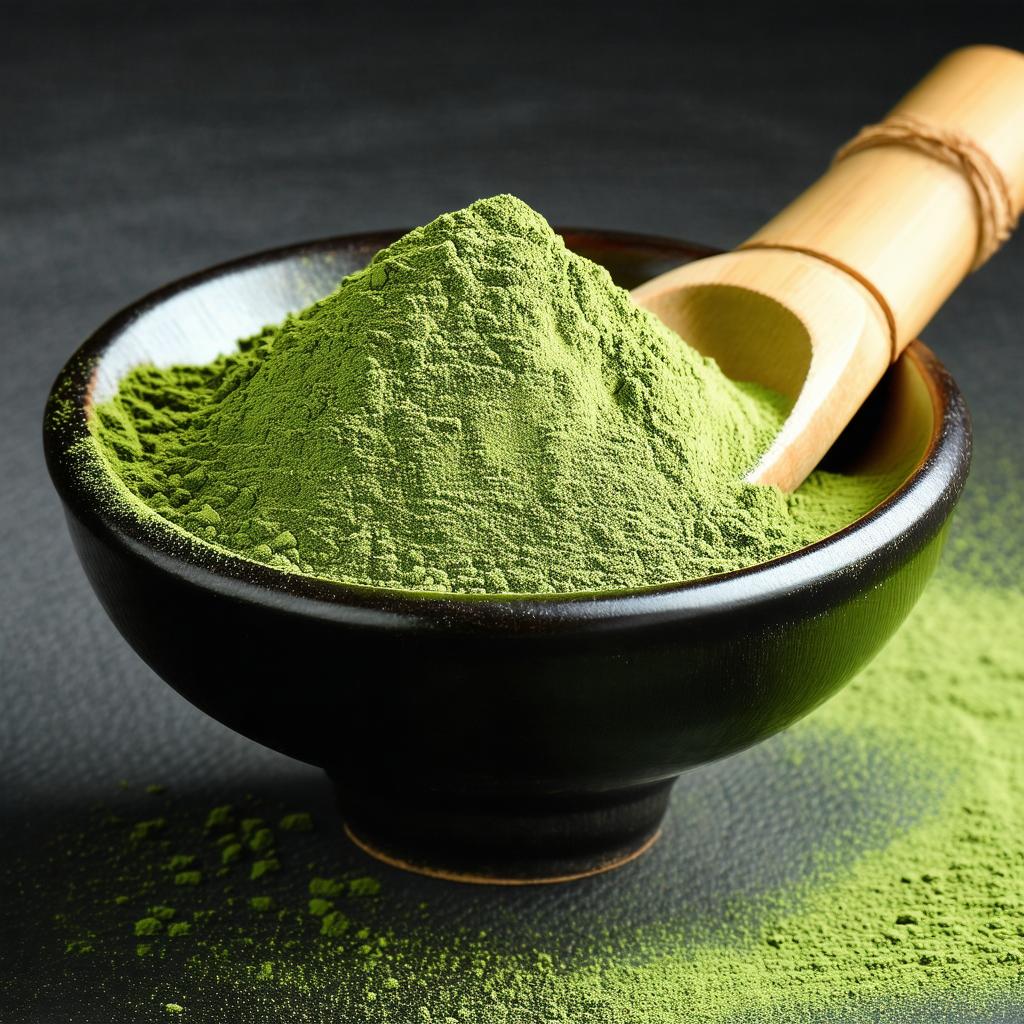
Unlike classic green teas, matcha is consumed entirely in micronized powder form. This peculiarity multiplies its concentration of active principles. A study from the Journal of Nutritional Biochemistry reveals that the EGCG (epigallocatechin gallate) content is up to 137 times higher than that of infused green teas. This catechin plays a key role in lipolysis – the process of breaking down triglycerides stored in adipocytes.
The Thermogenic Effect Decoded
The magic works through two complementary mechanisms. First, EGCG inhibits catechol-O-methyltransferase, the enzyme responsible for the degradation of noradrenaline. Result: this hormone remains active longer, stimulating the release of fatty acids. At the same time, matcha’s natural caffeine potentiates this effect by activating the sympathetic nervous system. A synergy confirmed by research from the University of Geneva showing a 25% increase in thermogenesis after consumption.
Overall Metabolic Impact
Beyond direct burning, matcha favorably influences carbohydrate metabolism. Studies published in the American Journal of Clinical Nutrition indicate it reduces the glycemic index of meals by 15 to 20%. By stabilizing blood sugar, it limits insulin spikes responsible for abdominal fat storage. This regulation explains why regular consumers report a decrease in sweet cravings – a significant advantage for maintaining slimming goals.
Optimizing Matcha Use for Weight Loss
Traditional preparation at 80°C preserves thermosensitive molecules, unlike boiling water which degrades up to 40% of catechins. Use a bamboo whisk (chasen) to emulsify the powder and avoid lumps that trap active principles. The “Slim” version is best consumed pure, without milk which neutralizes some antioxidants.
Strategic Timing
- Morning on an empty stomach: Activates thermogenesis before breakfast (University of Chiba study)
- 30 minutes before exercise: Increases fat oxidation during effort
- As a coffee substitute: Avoids afternoon energy slumps without disturbing sleep
Ideal Dosage
The effective dose is between 1 and 2 level teaspoons per day (i.e., 2-4g). Beyond that, caffeine intake could offset benefits with excessive stimulating effects. For beginners, start with 1/2 teaspoon and gradually increase over a week. The presence of L-theanine – an amino acid increasing brain alpha waves – explains why matcha provides focused energy without the nervousness of coffee.
Health Benefits Beyond Fat Loss
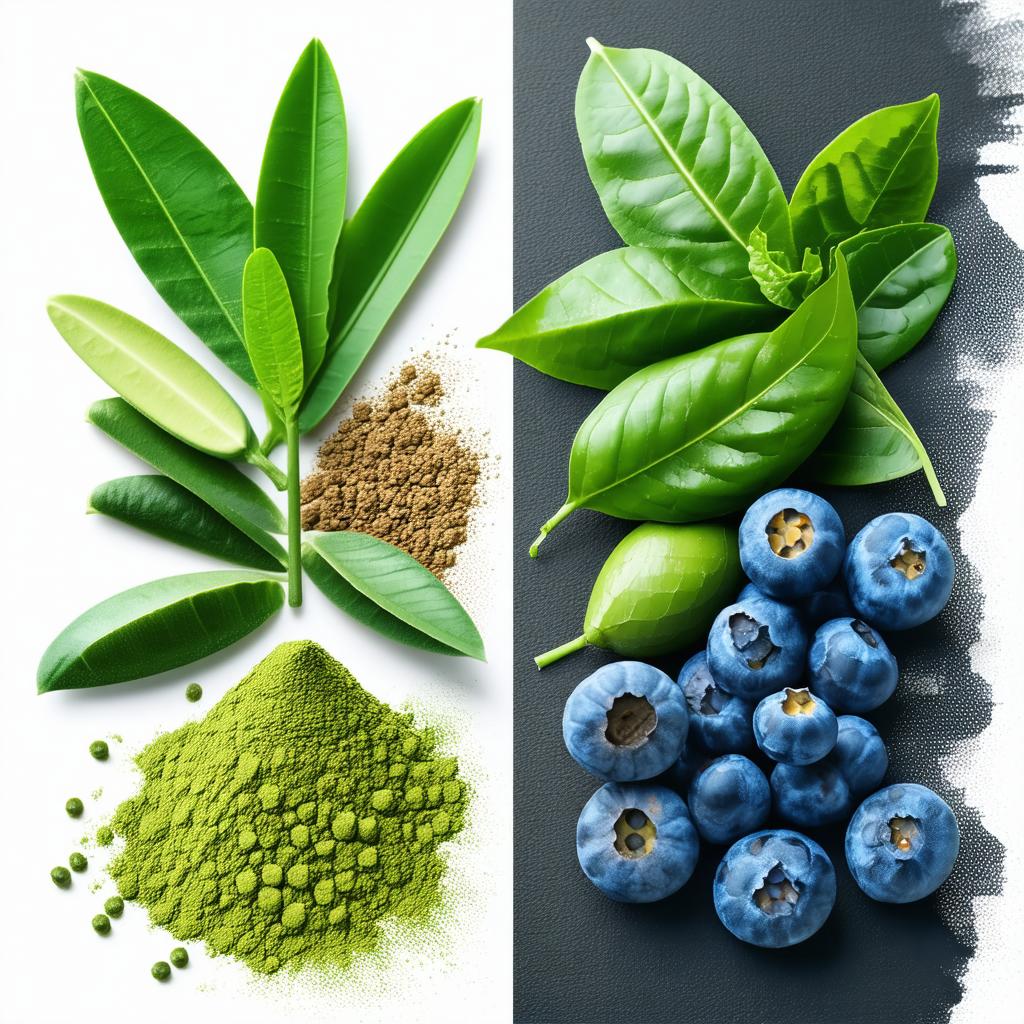
Matcha contains 10x more antioxidants than spinach or blueberries according to the ORAC (Oxygen Radical Absorbance Capacity) method. Among them, specific polyphenols like rutin and quercetin protect blood vessels, while chlorophyll detoxifies heavy metals. A Japanese study on 40,000 participants associates regular consumption with a 26% reduction in cardiovascular risks.
Natural Nootropic Effect
The caffeine/L-theanine combination creates a state of “calm alertness” ideal for productivity. Functional MRIs show increased blood flow in the prefrontal cortex – the seat of concentration. Unlike classic stimulants, this effect lasts 4 to 6 hours without subsequent crash thanks to the progressive release of molecules.
Impact on Gut Microbiota
Matcha polyphenols act as selective prebiotics. Recent research in Frontiers in Nutrition shows they promote bacterial strains producing butyrate – a short-chain fatty acid with anti-inflammatory and weight-regulating effects. This action on the gut-brain axis partly explains its influence on compulsive cravings.
Comparison with Other Fat Burners
| Product | Mechanism | Matcha Slim Advantages | Disadvantages |
|---|---|---|---|
| Supplements based on synephrine | Adrenergic stimulation | No effect on blood pressure | Risk of tachycardia |
| Green coffee | Inhibition of carbohydrate absorption | Superior thermogenic effect | Strong bitter taste |
| Garcinia cambogia | Fat synthesis blockage | Proven multi-target action | Controversial effectiveness |
Unlike synthetic burners, matcha does not induce tolerance or rebound effect. Its safety profile is validated by centuries of use in traditional Chinese and Japanese medicine. The simultaneous presence of soluble fibers (about 3g per serving) also contributes to satiety – an asset absent in most isolated extracts.
Precautions and Contraindications
Due to its caffeine content (about 35mg per teaspoon), sensitive individuals should avoid it after 4 p.m. Although lower than coffee, this amount can interact with certain medications:
- Anticoagulants (warfarin)
- Thyroid medications
- Certain antibiotics (quinolones)
Medical consultation is recommended in case of pregnancy, hypertension, or anxiety disorders. Always choose certified organic matcha: since the leaves are consumed whole, pesticide residues would be concentrated in the powder.
Frequently Asked Questions
How long to see the first results?
The thermogenic effect is immediate, but visible changes generally appear after 2-3 weeks of regular consumption, combined with sufficient hydration and moderate physical activity.
Does matcha work without dieting?
It boosts basal metabolism by about 100 calories/day, but its potential is fully expressed in a comprehensive approach. Its true power lies in preventing excess calorie storage.
Ceremonial grade vs culinary grade: what difference for slimming?
Ceremonial grade, harvested from young shoots, contains up to 60% more EGCG. Its milder bitterness also allows consumption without sweetener – an advantage for reducing calorie intake.
Can it be consumed during intermittent fasting?
With less than 1 kcal per cup, it does not break the fast. Its natural appetite-suppressing effect even makes it an ally for 16/8 protocols.