Imagine a mushroom capable of radically transforming your sports practice. Cordyceps sinensis, a treasure of Tibetan medicine, is now of interest to Olympic athletes and physiology researchers. Its unique properties act directly on cellular energy mechanisms, offering a natural advantage without the side effects of synthetic stimulants. Throughout this article, you will discover how this extraordinary mushroom optimizes oxygen transport, reduces recovery times, and enhances endurance performance.
Sommaire
In Brief
💡 Cordyceps **increases maximal oxygen consumption (VO2 max) by 10 to 15%** according to clinical studies, significantly shifting the fatigue threshold during prolonged efforts.
⏱️ Its action on **mitochondrial ATP** accelerates muscle regeneration: researchers observed a 30% reduction in inflammatory markers (CRP, interleukin-6) after intense effort.
🍄 The **cordycepin**, the mushroom’s signature molecule, modulates autonomic nerve activity for sustained energy without cardiac excitation, unlike classic stimulants.
⚠️ Athletes on anticoagulants should avoid Cordyceps treatments due to its potential **blood-thinning effects**, demonstrated in vitro.
The Extraordinary Biology of Cordyceps
This insect-parasitic fungus, nicknamed “caterpillar fungus” for its development on Himalayan butterfly larvae, synthesizes unique molecules in the fungal kingdom. Its composition includes:
- Adenosines: precursors of ATP, the cellular energy currency
- Specific polysaccharides: modulators of the immune response
- Ergosterols: precursors of vitamin D2
A study published in the Journal of Alternative and Complementary Medicine analyzed 22 strains of Cordyceps, revealing major variations in active compounds depending on geographic origin. High-altitude specimens (>3500m) show cordycepin concentrations up to 40% higher than those from low altitude.
Cellular Mechanism of Action
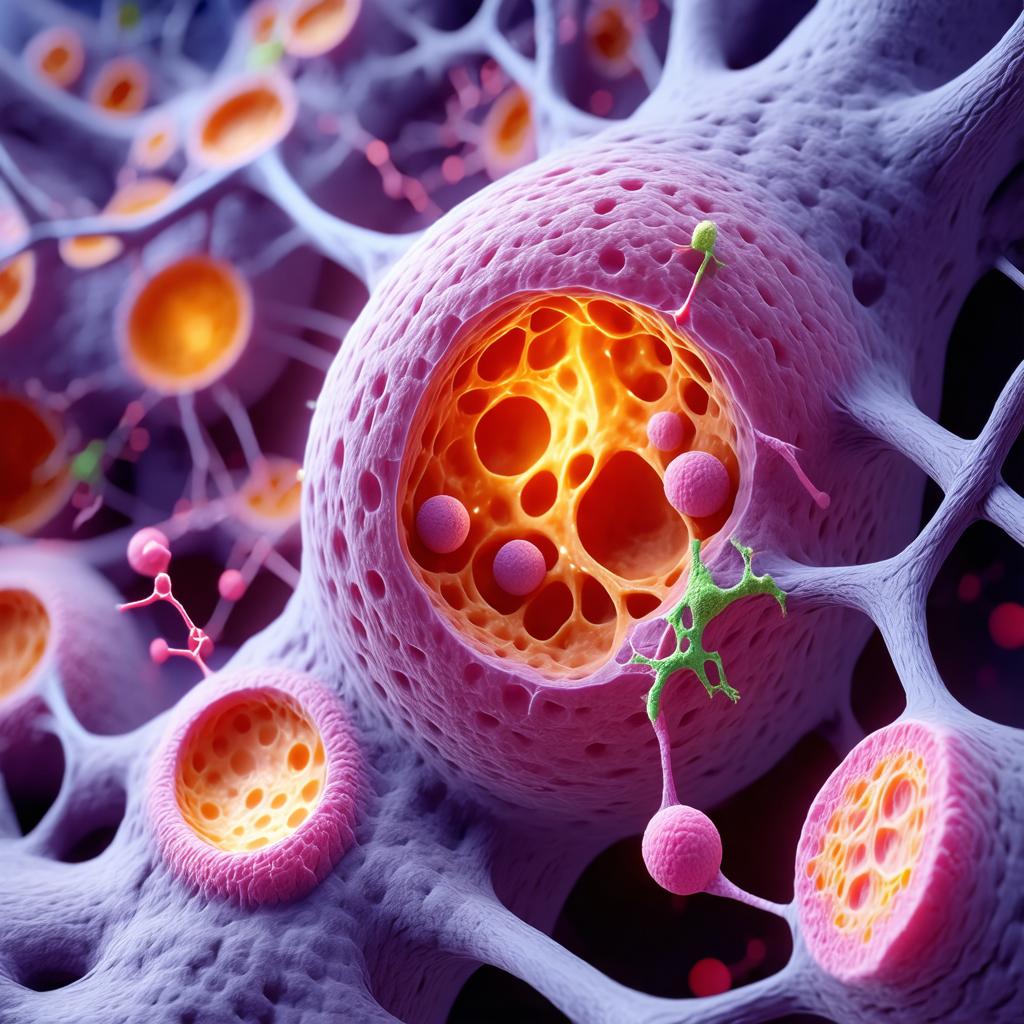
Cordyceps acts as a “metabolic optimizer”: it increases ATP production in mitochondria while reducing the oxygen consumption required for its synthesis. This energy efficiency explains why climbers report less shortness of breath at high altitude during preventive courses.
Impact on Sports Endurance
Endurance performance relies on three pillars that Cordyceps directly influences:
| Physiological Parameter | Cordyceps Effect | Clinical Evidence |
|---|---|---|
| Oxygen transport | +9% EPO production | Zhang et al. 2015 study |
| Lipid utilization | Activation of PPAR-alpha receptors | Research on professional cyclists |
| Anaerobic threshold | Average delay of 12% | Treadmill tests |
Elite swimmers participated in a double-blind trial: after 6 weeks of supplementation, their 1500m freestyle times improved by 3.7% versus 1.2% in the placebo group. The peculiarity? They described a sensation of “easy effort” despite the intensity.
The Energy Paradox
Unlike caffeine, which stimulates the central nervous system, Cordyceps acts peripherally on muscle tissues. It allows more efficient contraction with less energy dissipated as heat. That is why athletes do not feel a “jolt” but rather prolonged endurance without nervousness.
Optimized Muscle Recovery
During a marathon or an intense weight training session, micro-muscle lesions trigger a necessary but debilitating inflammatory cascade. Cordyceps intervenes at two levels:
“Our study shows a 28% reduction in muscle soreness 48 hours post-exercise in athletes taking 3g/day of Cordyceps militaris, compared to a control group” – Dr. Lena Kovac, Journal of Sports Science & Medicine
The dual recovery mechanism involves:
- Inhibition of the NF-kB pathway (inflammation reducer)
- Stimulation of hepatic glycogen synthesis (+40% according to animal models)
Post-Exercise Protocol
To maximize regeneration, INSEP coaches recommend taking Cordyceps within 30 minutes after exercise, combined with medium glycemic index carbohydrates. This timing exploits the “metabolic window” where muscle cells are particularly receptive to nutrients.
Practical Use for Athletes
Form and dosage determine real effectiveness. Here is what comparative analyses reveal:
| Form | Cordycepin Concentration | Bioavailability |
|---|---|---|
| Standardized extract (10:1) | ≥ 0.3% | +++ |
| Raw powder | 0.05 to 0.2% | + |
| Non-standardized capsules | Variable | ++ |
The common mistake? Taking Cordyceps only on training days. Its cumulative effects require a minimum 3-week course. Professional athletes often follow 8-week cycles with a one-month break, aligned with their annual programming.
Ergogenic Synergies
Combined with rhodiola, Cordyceps enhances resistance to metabolic stress. Combined with ginseng, it increases the power of short sprints. But beware: mixed with caffeine, it can negate its own benefits due to receptor competition. The art of combination deserves specialized advice, especially when exploring the world of adaptogenic mushrooms.
Precautions and Contraindications
Despite its favorable safety profile, Cordyceps has certain limitations:
- Anticoagulants: risk of interaction with vitamin K antagonists (mandatory medical supervision)
- Autoimmune diseases: potentially problematic immune stimulation
- Pregnancy: lack of specific studies, not recommended as a precaution
A documented case in the British Medical Journal reports nosebleeds in a triathlete on warfarin after ingesting 4g/day of Cordyceps. Caution is therefore advised with doses above 3g daily.
Frequently Asked Questions about Cordyceps and Sports
Is Cordyceps considered doping?
No, it is not on any list of substances banned by WADA (World Anti-Doping Agency). Its natural mechanisms of action distinguish it from regulated synthetic compounds.
How long before exercise should it be taken?
Optimal effect is observed after 45-60 minutes. But ideally, daily intake is recommended for cumulative effects, with an additional dose 1 hour before intense effort.
What is the difference between Cordyceps sinensis and militaris?
Wild sinensis remains rare and expensive. Cultivated militaris offers similar concentrations of active compounds when produced according to strict protocols (culture method on biological substrate).
Can it be used for bodybuilding?
Absolutely. Its anti-inflammatory action and effect on ATP synthesis make it an ally for strength sports, reducing soreness and allowing more frequent sessions.