
Over time, the intensity of demands can weigh on our mental and muscular balance. This is where Reishi, this mushroom long revered in traditional Chinese medicine, proves invaluable. More than just an antidote to stress, it presents remarkable potential to deeply revitalize the body. Whether one seeks to temper recurring anxiety phases or to regain stable energy without slumps, understanding the active compounds of Reishi and its interactions with our physiology allows us to make the most of this precious adaptogen.
🌱 Reishi (Ganoderma lucidum) is recognized for its triterpenes and polysaccharides which regulate cortisol and modulate immunity.
💧 By promoting the balance of the HPA axis, it helps prevent stress spikes and reduces the sensation of chronic fatigue.
📊 Clinical studies reveal a notable improvement in quality of life within a few weeks of regular use, with an appropriate dosage.
💡 Several forms—capsules, powder, or concentrated extract—allow adjustment of intake according to your specific needs.
Sommaire
Origin and Characteristics of Reishi
Reishi, or Ganoderma lucidum, naturally grows on rotting wood in the humid forests of East Asia. Its lacquered cap, a dark red almost varnished, immediately distinguishes it from other species. The medicinal use of this mushroom dates back more than two millennia in Chinese and Japanese pharmacopoeias, where it symbolized longevity and serenity. At the time, only emperors could consume it, as its rarity and price made it a luxury elixir.
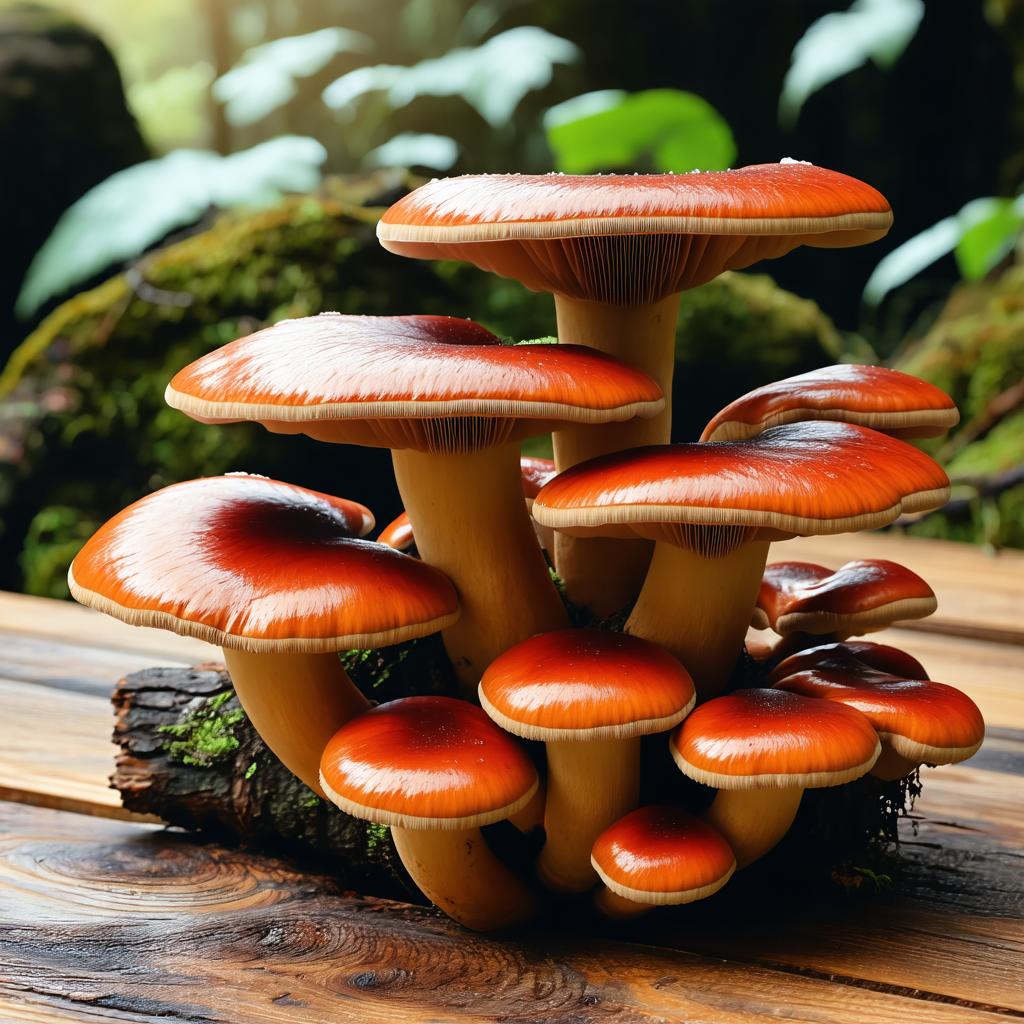
Beyond its symbolism, Reishi concentrates unique molecular families. According to an analysis published in the Journal of Ethnopharmacology, it contains about twenty triterpenes and around ten major polysaccharides, which justify its growing adoption in modern phytotherapy.
Active Principles and Mechanisms of Action
Triterpenes and Cortisol Modulation
The triterpenes of Reishi are often compared to natural corticosteroids. They partially inhibit the enzyme 11β-hydroxysteroid dehydrogenase, responsible for converting cortisone into active cortisol. By attenuating these reactions, they help lower circulating cortisol levels, often pointed out as the main culprits of persistent anxiety and stress-related weight gain.
Polysaccharides and Immunomodulation
Regarding polysaccharides (notably beta-glucans), their role goes beyond simple immune stimulation. They interact with Dectin-1 receptors on macrophages and dendritic cells, promoting a balanced response and limiting the excessive release of pro-inflammatory cytokines. Thus, Reishi attenuates the silent inflammation often associated with overwork and exhaustion.
Stress Management: How Reishi Works
The adaptogenic capacity of Reishi manifests through a modulatory action on all stress-related signals, whether hormonal, immune, or neuronal. By stabilizing the hypothalamic-pituitary-adrenal (HPA) axis, it prevents chain reactions of the “alarm–resistance–exhaustion” type, described in Hans Selye’s general adaptation syndrome theory.
Practically, one often observes an increased feeling of inner calm, a reduction in palpitations, and better emotional control. Volunteers in a 2018 study reported a 30% decrease in their anxiety score after six weeks of daily intake of 1,500 mg of standardized extract.
Combating Fatigue and Improving Energy
Adaptation of the HPA Axis
By strengthening the negative feedback loops of the HPA axis, Reishi prevents adrenal exhaustion. In people subjected to an intense pace, this results in increased resistance to perceived stress and fewer “energy slumps” at the end of the day.
Reduction of Chronic Fatigue
When exhaustion becomes chronic, mitochondriopathy linked to inflammation can develop. The polyphenols and sterols in Reishi improve ATP production in muscle cells, providing a boost of energy without artificial stimulation like caffeine. This is a valuable asset for those seeking to regain natural vitality.
Available Forms and Dosage Recommendations
The preferred form of Reishi depends on goals and individual tolerance. A recent comparison highlights two dominant formats:
| Form | Advantages | Disadvantages |
|---|---|---|
| Capsules | Precise dosage, ease of transport | Longer absorption time |
| Powder | Rapid absorption, versatility (smoothies, infusions) | Strong woody taste, measurement to be organized |
Generally, 1,000 to 2,000 mg of standardized extract per day is recommended, divided into two doses, ideally before meals to optimize absorption. For those new to the adaptogen, starting with a moderate dose (500 mg) and gradually increasing over 2 weeks allows tolerance to be checked.
Precautions and Potential Side Effects
Overall well tolerated, Reishi can however cause mild gastrointestinal disturbances or headaches during the first intakes. Anticoagulants or hypoglycemic medications require increased vigilance, as Reishi may potentiate their effects. It is advisable to consult a healthcare professional in case of chronic treatment.
Testimonials and Clinical Studies
“After three weeks of use, I regained a serenity I thought was lost. I manage my deadlines without that dull nervousness.” – Marine, 34 years old
A 2021 meta-analysis compiled eight controlled trials, confirming an average reduction of 25% in anxiety symptoms and a notable decrease in perceived fatigue. These results place Reishi among the most studied adaptogens, just behind ginseng and ashwagandha.
To broaden your perspective on mushrooms with similar virtues, feel free to consult a guide on adaptogenic mushrooms, which compares their specificities and modes of use.
FAQ
Can Reishi interact with medications?
Yes, it can enhance the effect of anticoagulants (warfarin, aspirin) and modulate blood sugar levels. Medical supervision is recommended if you are on regular treatment.
When are the first anti-stress effects felt?
The first benefits often appear after 3 to 4 weeks of daily intake, the time needed for the compounds to integrate at the hormonal and cellular levels.
What dose should I start with?
It is advised to start at 500 mg per day, then gradually increase up to 1,500–2,000 mg, while observing individual tolerance.
Is Reishi suitable for chronic fatigue?
Yes, its action on mitochondria and the HPA axis makes it a valuable ally. But it does not replace a complete medical investigation to identify the cause.