| Key Points | Details to Remember |
|---|---|
| 🍄 Definition | Understand the role of adaptogenic mushrooms in response to stress |
| 💆 Main Benefits | Identify their anti-stress and tonic virtues |
| ⚙️ Mechanisms | Explore how they act on the hypothalamic-pituitary-adrenal axis |
| 🌱 Key Varieties | Compare Reishi, Cordyceps, fungal Ashwagandha, Chaga, and Lion’s Mane |
| 📝 Dosages | Choose the right dosage for optimal effectiveness |
| ⚠️ Precautions | Monitor possible interactions and side effects |
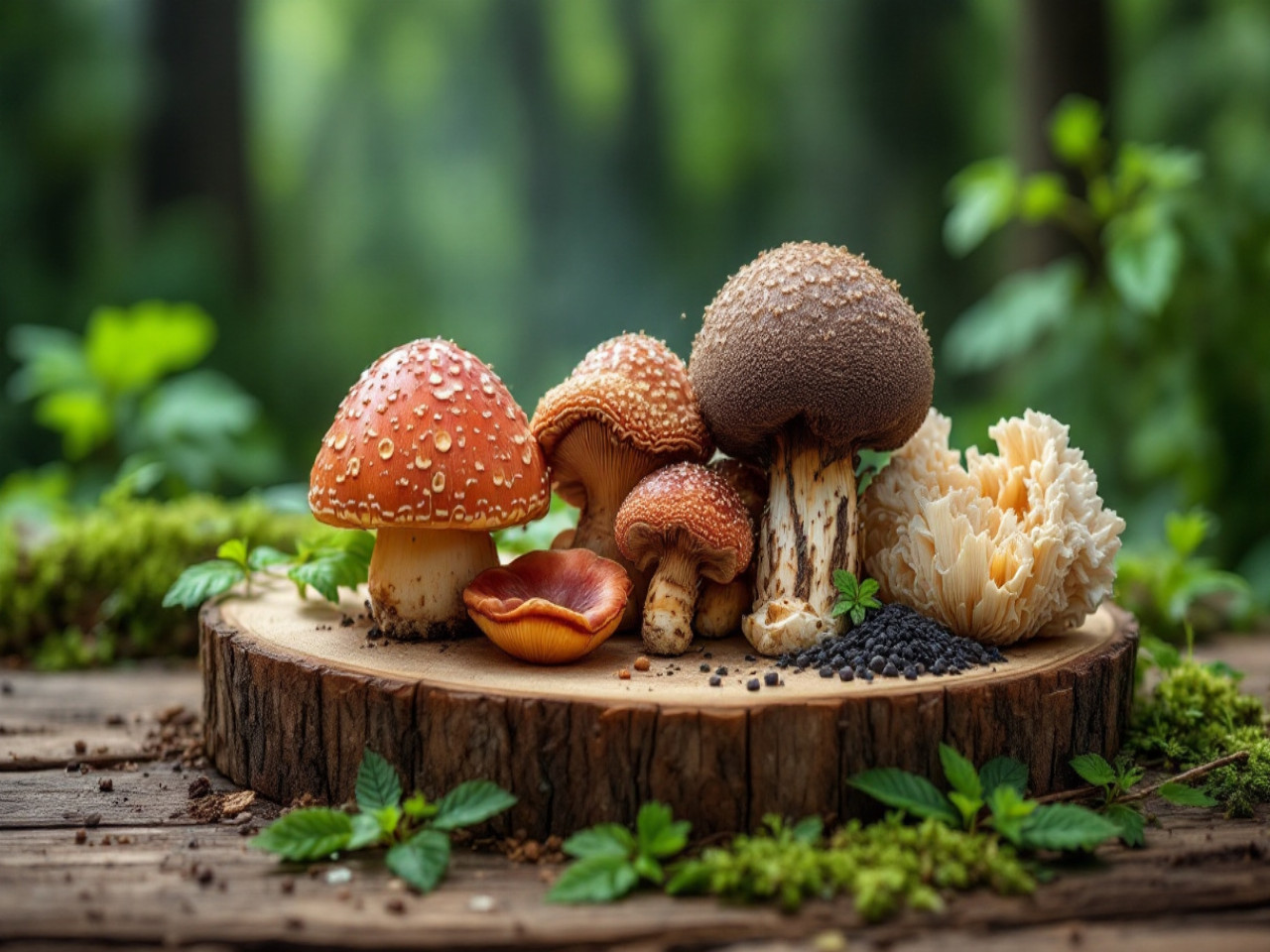
For several years now, so-called “adaptogenic” mushrooms have sparked considerable enthusiasm among people seeking natural solutions to soothe their daily stress. Unlike classic anxiolytics, these fungal extracts work gently to modulate the body’s response to tension. In this article, we scrutinize five major varieties, from traditional Reishi to more surprising forms like fungal Ashwagandha. Here you will find a detailed comparison, usage advice, and ways to integrate these natural allies into your routine.
Sommaire
Why choose adaptogenic mushrooms?
Adaptogens are substances capable of increasing the body’s resistance to stress, whether physical or emotional. Whereas a classic stimulant will “boost” temporarily, an adaptogen balances the body without causing a fatigue spike once the effect wears off. One might think they are simple supplements, but in truth, their action extends on several levels: immune, hormonal, nervous. Their millenary use, especially in traditional Chinese medicine, attests to a progressive and lasting effectiveness.
Comparison of 5 adaptogenic mushrooms
1. Ganoderma lucidum (Reishi)
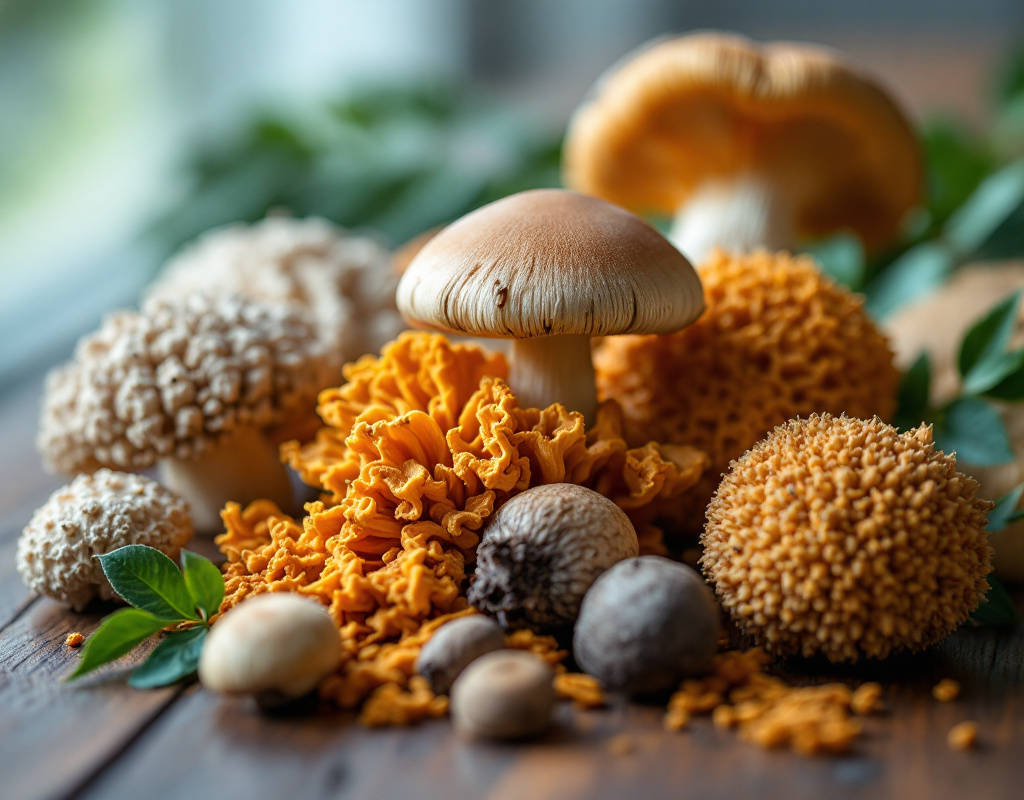
Often nicknamed the “mushroom of immortality,” Reishi unfolds its virtues over time. Thanks to its triterpenes and polysaccharides, it regulates cortisol and soothes anxious states. Several scientific studies confirm its positive effect on sleep quality (Reishi benefits for stress and sleep). Daily, a dose of 1,000 to 1,500 mg of concentrated extract is preferred, taken in the morning or early afternoon to avoid any feeling of heaviness at night.
In comparison, if you hesitate between powder or capsules, a dedicated comparison can guide you according to your tolerance and taste preferences.
2. Cordyceps sinensis
Also called caterpillar mushrooms, it is particularly known for its energy benefits, yet Cordyceps is no less an anti-stress ally. It supports the adrenals, promotes ATP production, and improves resistance to fatigue. In people subjected to chronic stress, a more gradual decrease in nervous tension is observed. The usual dosage ranging between 500 and 1,000 mg per day, split into two doses, suits those combining an intense active life and a quest for inner calm.
There are artisanal forms, derived from barley substrate cultures, which guarantee a stable concentration of cordycepin. To deepen your practice, do not hesitate to consult experience reports and purity tests available on specialized forums.
3. Fungal Ashwagandha
Rarely found, fungal Ashwagandha combines the active principles of the traditional Ashwagandha plant with a dried mycelium. The impact is intended to be gentler on the modulation of GABA and serotonin receptors. During the first weeks, an improvement in mood and a reduction in muscle tension are often felt. Count about 600 mg per day, spread during the main meal for optimal absorption.
Its pharmaco-nutraceutical profile makes it interesting for those who have already tried classic ashwagandha without feeling a marked effect: the plant-fungus synergy offers another approach.
4. Inonotus obliquus (Chaga)
Chaga, nicknamed the “mushroom of the boreal forests“, is primarily recognized for its exceptional antioxidant power. By reducing oxidative stress, it indirectly helps regulate cortisol production. Some consumers report an increased feeling of calm and better management of emotional stress peaks.
The common dosage ranges from 500 to 1,200 mg per day, ideally in the form of a standardized extract with more than 50% beta-glucans. Incorporating Chaga into a morning routine, as an infusion or in capsules, helps establish an anti-stress foundation from the moment you wake up.
5. Hericium erinaceus (Lion’s Mane)
While Lion’s Mane is especially praised for its cognitive benefits, it also plays a role in regulating the nervous system. Its hericenones and erinacines stimulate the synthesis of NGF (nerve growth factor) and promote a state of relaxation by reducing reactivity to stressful stimuli.
To feel its effects, a dose of 500 mg morning and evening is generally recommended, over a continuous period of 8 to 12 weeks. A course can be renewed after a one-month break.
How to integrate these mushrooms into your anti-stress routine?
- Consider alternating varieties to benefit from complementary action spectra.
- Combine them with relaxation techniques (breathing, meditation, yoga).
- Respect recommended dosages and adjust according to your sensations.
- Prefer certified, traceable extracts tested in laboratories.
Regarding purchase, choosing a transparent supplier and a mention of “standardized extract” is essential. For a comprehensive overview of the different products, consult our 2025 adaptogenic mushrooms buying guide.
FAQ
What duration of treatment is recommended to observe an anti-stress effect?
Generally, a continuous intake of 6 to 8 weeks already allows you to feel a noticeable difference in stress levels and sleep quality.
Can multiple mushrooms be combined within the same treatment?
Yes, but it is better to start with a single variety and then gradually introduce the second to more easily identify the source of any potential discomfort.
Are there any contraindications?
In case of anticoagulant treatment or autoimmune disease, medical advice is recommended before any fungal adaptogen treatment.