
| Key points | Details to remember |
|---|---|
| 🌻 Definition | Natural alkaloid derived from several plants |
| ⚙️ Mechanism | Influence on flora and intestinal motility |
| ⚠️ Side effects | Cramps, bloating, possible diarrhea |
| 📝 Dosage | Start gradually and split doses |
| 💡 Advice | Take with a meal and monitor reactions |
| 🌷 Alternatives | Synergies with probiotics or fenugreek |
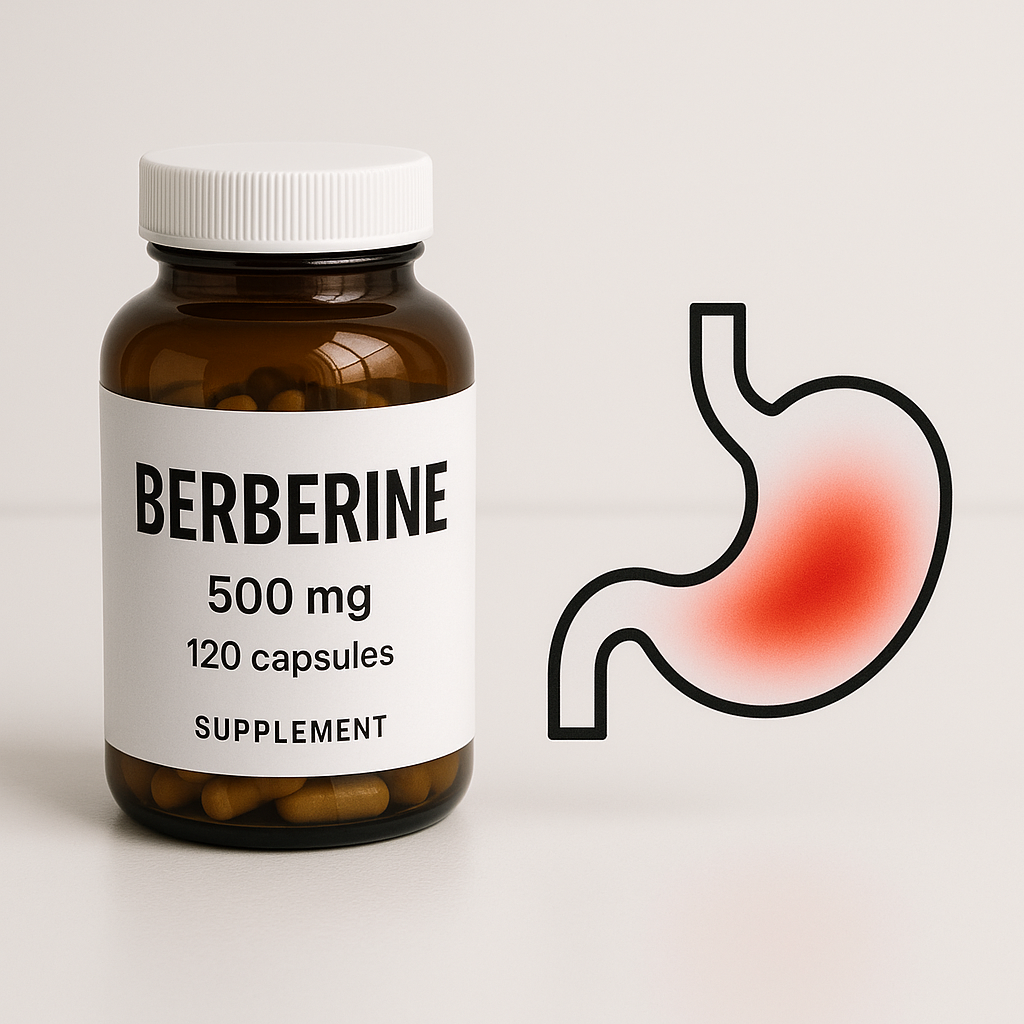
Berberine is increasingly popular for its metabolic virtues, but some quickly experience cramps or persistent diarrhea. Why does this natural remedy cause these discomforts, and how can these pains be eased? Let’s dive into the mechanisms, possible adjustments, and gentle solutions to continue enjoying its benefits without sacrificing your digestive comfort.
Sommaire
What is berberine?
Derived from plants such as barberry or berberis, berberine is an alkaloid with a rich pharmacological profile. It is credited with effects on blood sugar, cholesterol, and even the intestinal flora. Studies mention, for example, regulation of insulin signaling and modulation of beneficial bacteria. Needless to say, its range of action interests both researchers and phytotherapy enthusiasts, but this flattering picture is not without drawbacks for some users.
Why can berberine trigger stomach pain?
Mechanisms of action at the intestinal level
Berberine acts on several pathways: it inhibits digestive enzymes, modifies mucosal permeability, and alters the microbiota composition. By reducing alpha-glucosidase activity, for example, it slows carbohydrate absorption, which can ferment in the colon if transit time becomes too short.
At the same time, its antimicrobial effect sometimes targets pathogenic bacteria but also part of the commensal flora. This temporary disturbance can surprise us with a sensation of bloating or lower abdominal pain.
Most common digestive side effects
- Sudden abdominal cramps, often a few hours after intake
- Bloating due to increased fermentation
- Diarrhea when transit accelerates too abruptly
- More abundant flatulence than usual
These symptoms generally appear at high doses or with a sudden start. One might think they indicate a deep intolerance, but in truth, precise adjustment is often enough to make them recede.
How to minimize these discomforts?
Gradual dosing and splitting
Starting at 150 mg per day, instead of 500 mg on the first day, can significantly reduce cramps. Then increase by 50 to 100 mg every 3 to 5 days while observing your reactions. Dividing the daily dose into two intakes, morning and evening, rather than a single tablet, smooths the impact on the intestine.
Timing of intake
Taking berberine with the meal or just after dinner helps to reduce mucosal irritation. If your stomach is sensitive, slip it into the heart of a dish or yogurt to protect the gastric lining. Some even prefer to incorporate it into a creamy smoothie, thus playing on the texture to ensure a slower and more regulated release.
Choice of pharmaceutical form
The extended-release version often works wonders: concentrating the release in the small intestine rather than in the stomach limits direct contacts that cause spasms. If you have access to an enteric-coated capsule formula, try it; you might notice immediate relief.
Alternatives and synergies to soothe the intestine
Instead of abruptly stopping berberine, it can be combined with:
- Probiotics to restore the flora and limit intestinal permeability
- Fenugreek or psyllium for a soothing effect and to slow transit
- Turmeric combined with piperine for its gentle anti-inflammatory properties
- Gentle magnesium (citrate or bisglycinate) to relax spasms
A short course of 2 to 3 weeks, followed by an assessment of effects, helps to identify the combination that truly suits you.
When should you consult a professional?
If cramps persist after 7 days of adjustment or are accompanied by fever, blood in the stools, or unusual fatigue, do not delay. A blood test and abdominal ultrasound can rule out an underlying pathology that might have gone unnoticed. Sometimes, the cause of intestinal sensitivity goes beyond simple supplement intake, hence the value of informed advice.
FAQ
- Does diarrhea always disappear with a reduced dosage?
- Often yes: lowering the dose and splitting the intake are sufficient in most cases, but everyone reacts differently.
- Can berberine be combined with antidiabetic treatment?
- Yes, provided there is medical supervision. Berberine slows the loss of glucose in the blood, so the medication dose must be adjusted to avoid hypoglycemia.
- What duration of treatment is recommended?
- 6 to 12 weeks seems optimal for a lasting effect without overloading the intestine. A temporary stop allows you to evaluate your tolerance.
- Are there major contraindications?
- Pregnant women, breastfeeding women, or children under 12 should avoid berberine, as well as people on strong antibiotics without supervision.