| Key Points | Details to Remember |
|---|---|
| 🦠 Definition | Living microorganisms that promote intestinal balance. |
| 💪 Main Benefits | Strengthening of the intestinal barrier and immune modulation. |
| 😣 Causes of Discomfort | Excessive production of gas due to increased fermentation. |
| ⚖️ Adjustments | Dosage, frequency, and choice of strains to reassess. |
| 🧪 Strain Selection | Lactobacillus vs Bifidobacterium depending on tolerance. |
| 🥦 Additional Advice | Foods rich in soluble fibers and increased hydration. |
| ⚠️ When to Consult | Warning signs: severe pain, fever, blood in stools. |
When starting a probiotic regimen, digestive discomfort may occur: gas, bloating, cramps… Rather than giving up entirely, you can adjust some parameters to alleviate these effects and fully benefit from these beneficial microorganisms. Let’s review the mechanisms involved and tips to navigate without pain.
Sommaire
Understanding the Origin of Gas and Cramps
Fermentation Mechanisms of the Microbiota
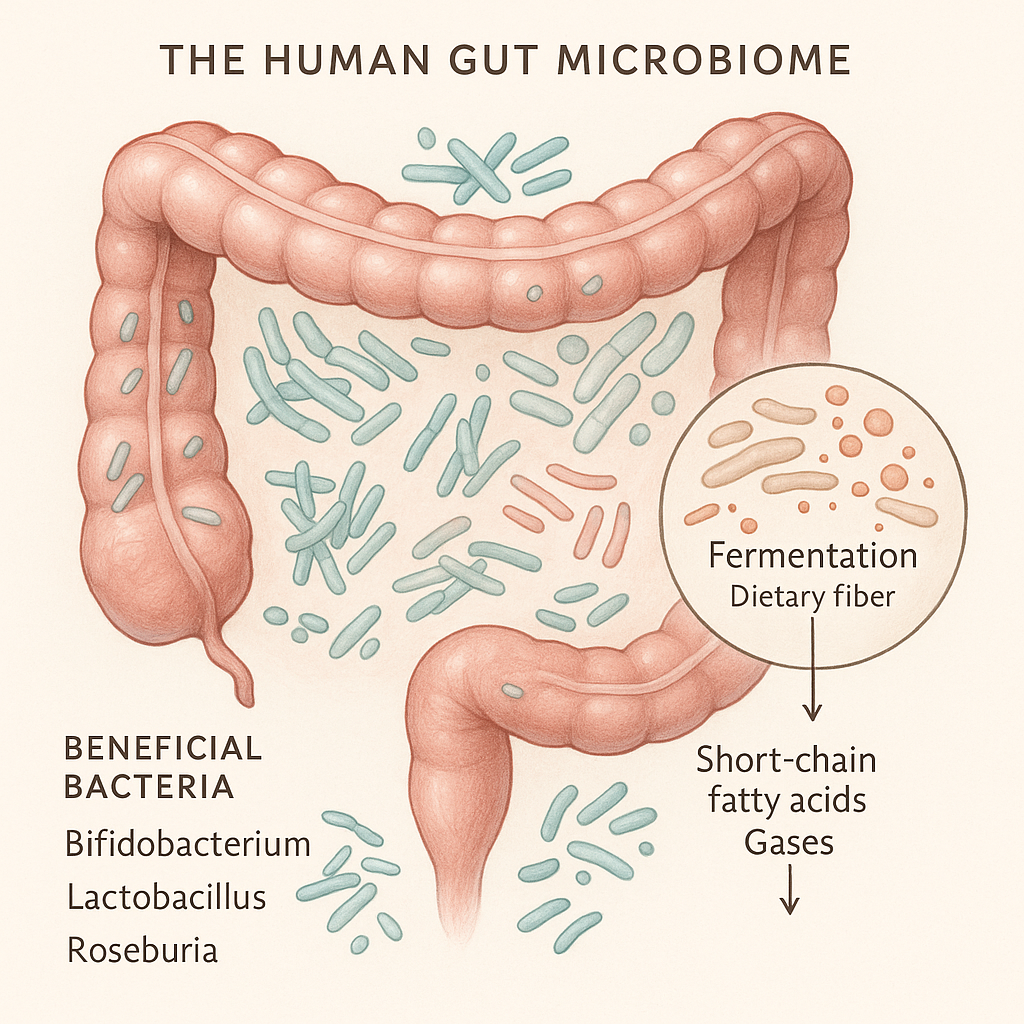
When you introduce new bacterial strains into your intestine, they ferment certain substrates, notably non-digestible fibers. By producing short-chain fatty acids, these bacteria improve the health of the mucosa but also generate gas (hydrogen, carbon dioxide). At low doses, balance is quickly restored; if the introduction is too abrupt, gas pressure builds up and causes cramps.
Individual Sensitivity and Adaptation Phase
Each microbiota has its own configuration: bacterial demographics, enzymatic richness, nutrient availability. In some, probiotic introduction creates a “breath of fresh air” favorable to diversification; in others, bacterial mixing generates a painful increase in fermentation. This adaptation phase can last from a few days to two weeks. The idea is to support this rebalancing rather than forcing the pace.
Adjusting Your Probiotic Intake
Choosing the Right Strain
Not all strains provide the same fermentative effect. For example, Lactobacillus acidophilus are known to be gentler in gas production than certain strains of Bifidobacterium longum. If you experience systematic bloating, prefer a low-concentration single-strain probiotic rather than a high-dose multi-strain complex. You can then gradually diversify.
Adjusting the Dose and Frequency
Rather than taking a whole capsule on the first day, consider splitting the dose to spread the bacterial load. For example:
- Day 1-3: ¼ of a capsule in the morning.
- Day 4-7: ½ capsule split between morning and evening.
- Afterwards: recommended dose, if tolerance is okay.
This gentle ramp-up limits sudden gas buildup and allows the digestive system to adjust. Conversely, skipping doses or taking them irregularly can maintain irritation.
Complementarities and Supportive Advice
“Hydration and diet play a key role: you cannot expect to make new strains work without providing them with an adequate playground.”
To provide probiotics with a favorable environment, nothing beats taking care of prebiotic intake (soluble fibers) and fluids:
- Soluble fibers (oats, psyllium, chicory roots) gently stimulate fermentation.
- Water and herbal teas warm or tempered relieve spasms and ease transit.
- Light physical activity (walking, stretching) helps move gases and reduce pressure.
- Fractioned meals: smaller but more frequent, they stress the microbiota less violently.
When to Worry and Consult
If cramps are accompanied by fever, blood in the stool, or persistent sharp pain, it is preferable to consult a healthcare professional. These symptoms may indicate another condition (infection, food intolerance, inflammatory disease). Conversely, moderate discomfort during the adaptation phase is often temporary.
FAQ
- Do probiotics always cause gas?
- No, the reaction varies from one individual to another. By adjusting the strain and dose, this phenomenon can often be reduced.
- How long does the adaptation phase last?
- Generally between 3 and 14 days. If symptoms persist beyond that, review your protocol or consult.
- Can I take digestive enzymes at the same time?
- Yes, some enzymatic supplements help break down carbohydrates and limit excessive fermentation.
- Should probiotics be frozen or kept refrigerated?
- Always follow the manufacturer’s recommendations. Some strains tolerate heat, others require refrigeration.
- Does diet play a role?
- Absolutely. Favor cooked vegetables, whole grains, and hydration to support the microbiota.