| Key Points | Details to Remember |
|---|---|
| 🍄 Visual Identification | Cap cream white in a fan shape, decurrent gills, and off-center stem |
| 🌳 Natural Habitat | Develops exclusively on dead hardwood (beeches, birches) |
| 🐃 Olfactory Recognition | Characteristic smell of fresh flour or light anise |
| 🍛 Culinary Properties | Firm texture that holds up well to cooking, subtly woody flavor |
| ⚐ Nutritional Value | Rich in complete proteins and B vitamins, low in calories |
| ⚠️ Precautions | Always cook before consumption to neutralize heat-sensitive toxins |
Encountering lung oyster mushrooms during a forest walk feels like finding a treasure for mushroom enthusiasts. This mushroom, scientifically named Pleurotus pulmonarius, charms as much by its natural elegance as by its taste qualities. Often confused with its relatives, it actually has distinct characteristics worth noting. Beyond identification, it offers a whole culinary experience, coupled with a remarkable nutritional profile. Let’s explore together the secrets of this fascinating mushroom, from its recognition in the wild to its use in cooking, not forgetting its health benefits.
Sommaire
Recognizing the Lung Oyster Mushroom Without Error
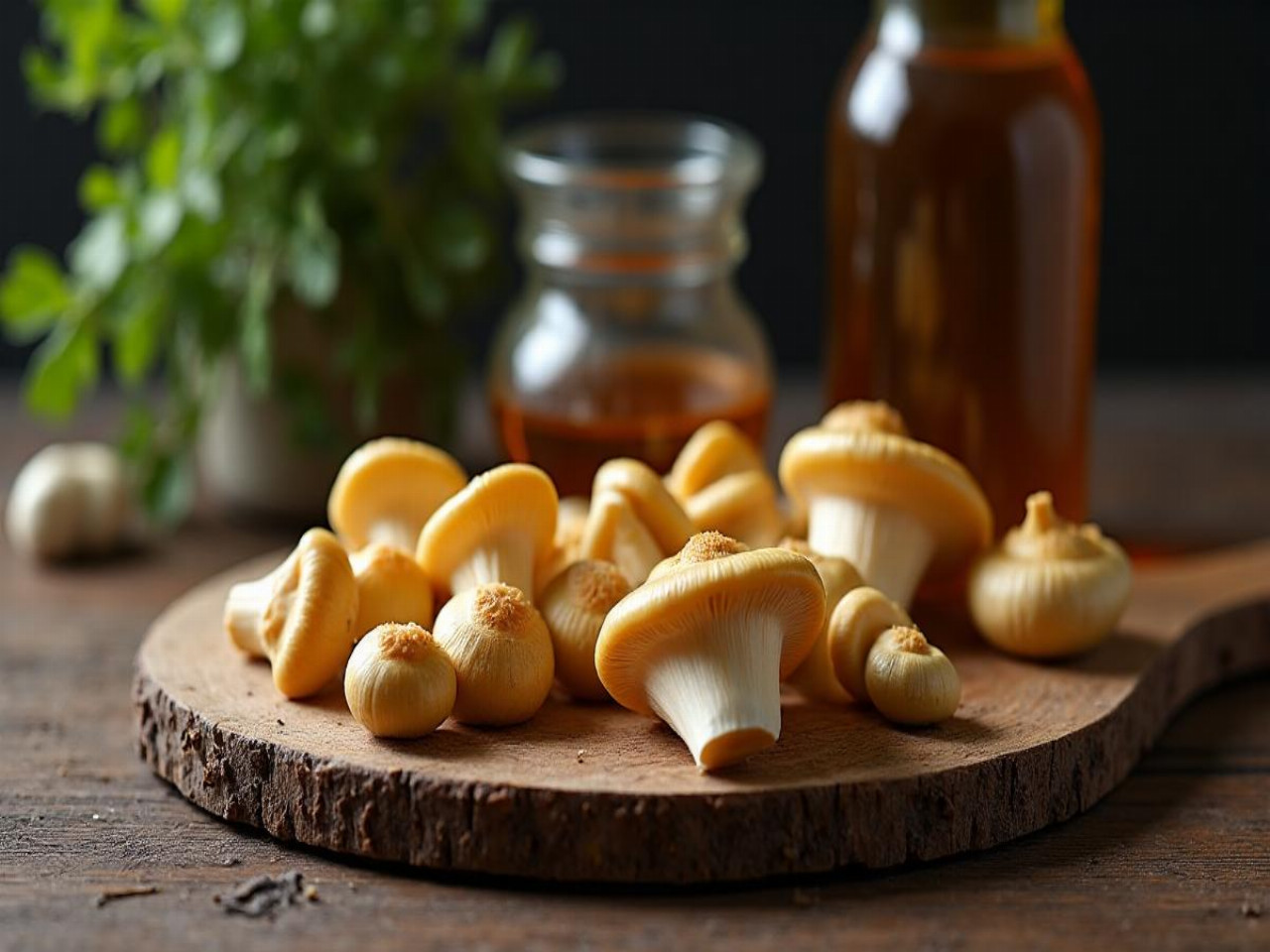
Identifying the lung oyster mushroom requires a trained eye. Its cap, ranging from 5 to 15 cm, displays a cream white shade that turns beige with age. The shape resembles an oyster or a semi-circular fan, especially when it grows in layers on trunks. Unlike the parasol oyster mushroom, its surface remains smooth and dry, without a viscous coating. A crucial detail: carefully observe the gills. They should be tight, decurrent (extending down the stem), and pure white in young specimens.
Where and When to Find It
This strictly lignicolous mushroom grows exclusively on dead or dying hardwood. Beeches and birches are its preferred hosts, although it is occasionally found on oaks or poplars. Its season extends from May to October, with a peak in summer after stormy rains. In the mountains, it can fruit up to 1500 meters altitude. An unknown peculiarity: unlike many mushrooms, it tolerates summer drought relatively well thanks to its ability to draw moisture directly from the host wood.
Dangerous Confusions to Avoid
Several undesirable look-alikes await careless pickers. The white clitocybe (Clitocybe dealbata) has gills that are always adnate (not decurrent) and an unpleasant floury odor. More formidable, the ochre of the death cap (Amanita phalloides) young specimen could deceive by its color, but it always has a volva and a ring. For risk-free identification, systematically check these three points:
- Total absence of a volva at the base of the stem
- Presence of decurrent gills
- Growth on hardwood (never on conifers or bare soil)
Mastering the Culinary Art of Lung Oyster Mushrooms
These mushrooms offer a unique taste experience that rewards patient cooks. Their firm texture withstands prolonged cooking admirably, unlike many varieties that become rubbery. After removing the woody parts of the stem, a simple brushing is generally sufficient – avoid soaking which saturates the flesh with water. Their subtle flavor, between fresh hazelnut and damp undergrowth, is fully expressed in simple preparations. Try them sautéed over high heat with a knob of butter and a pinch of flat-leaf parsley: a symphony of simplicity.
Storage and Preparation
Store them for a maximum of 5 days in the refrigerator in a paper bag, never in plastic which accelerates decomposition. For prolonged preservation, two methods are recommended:
- Drying: in 5 mm slices at 50°C, intensifies aromas and allows quick rehydration
- Freezing: after blanching for 2 minutes, preserves 80% of the original texture
Contrary to popular belief, cooking is mandatory: it destroys pleurotin, a thermolabile toxin responsible for digestive troubles in some sensitive individuals. Twenty minutes on low heat is enough to neutralize this component while preserving texture.
Pairings and Original Recipes
Their versatility in cooking always surprises. Try them as a substitute for scallops in a “fake scallops” preparation: marinated in coconut milk and lemongrass before quick sautéing. Their pearly texture and ability to absorb flavors create a striking illusion. Another surprising combination: finely chop them into homemade fresh pasta for tagliatelle with woody notes. For lovers of contrasts, their natural sweetness perfectly balances the acidity of citrus – a lung oyster mushroom and yuzu risotto remains a memorable experience.
Hidden Nutritional Treasures in Your Oyster Mushrooms
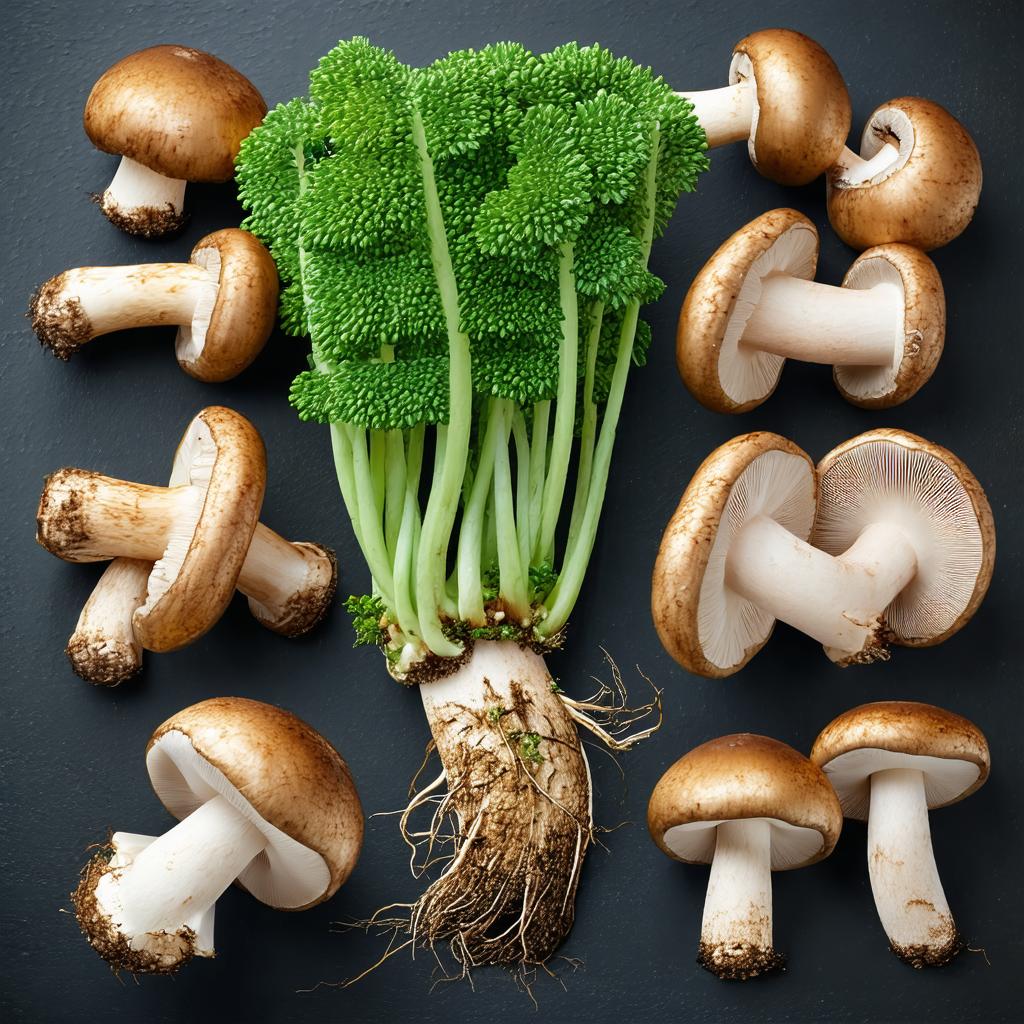
Behind their apparent simplicity lies a remarkable nutritional profile. With only 35 kcal per 100g, they are a treasure trove of essential nutrients. Their content of complete proteins (containing all 9 essential amino acids) reaches 3.3g/100g, more than most vegetables. Notable feature: they contain significant amounts of vitamin D2 (ergocalciferol), rare in the plant kingdom, especially after sun exposure post-harvest.
Detailed Biochemical Composition
The analysis reveals a richness in specific polysaccharides such as pleuran, with immunomodulatory properties documented by several studies. Their mineral concentration often exceeds that of common vegetables: 350mg/100g of potassium (as much as a banana), 120mg of phosphorus, and 10mg of magnesium. The table below summarizes their average composition:
| Nutrient | Quantity per 100g | % Daily Intake |
|---|---|---|
| Proteins | 3.3g | 6.6% |
| Fibers | 2.3g | 9.2% |
| Vitamin B3 (Niacin) | 4.5mg | 28% |
| Vitamin B2 (Riboflavin) | 0.4mg | 25% |
| Copper | 0.3mg | 33% |
| Selenium | 12µg | 22% |
Health Benefits and Recent Research
Beyond the classic nutrients, lung oyster mushrooms contain a unique family of natural statins (lovastatins) that may participate in cholesterol regulation. Preliminary research on animal models suggests that their polysaccharides could modulate the immune response, notably by stimulating macrophage activity. Another promising lead: their concentration in ergothioneine, an antioxidant that crosses the blood-brain barrier, could play a neuroprotective role. Like other functional mushrooms, they are attracting growing interest in research on adaptogenic substances that help the body adapt to stress.
Frequently Asked Questions
Can lung oyster mushrooms be cultivated at home?
Absolutely! This species is well suited to domestic mushroom cultivation. Ready-to-fruit kits allow for a first harvest in 3 weeks. For the more ambitious, cultivation on coffee grounds or wood chips takes about 3 months but offers more abundant harvests. Some enthusiasts even manage to grow them in recycled books – the paper cellulose serving as a substrate.
How to differentiate the lung oyster mushroom from the oyster mushroom?
The oyster mushroom (Pleurotus ostreatus) has a darker cap (bluish-gray) and thicker flesh. Its stem is often rudimentary or even absent, whereas the lung oyster develops a distinct though off-center stem. The smell is also a good indicator: ostreatus emits stronger notes of anise.
Can children consume this mushroom?
From 3 years old, in moderate quantity (max 50g) and always perfectly cooked. The low insoluble fiber content makes them better tolerated than other varieties. Introduce them gradually to check individual tolerance. However, avoid giving them to toddlers due to their immature digestive system.
Are there any medical contraindications?
People on anticoagulant treatment should moderate their consumption due to the vitamin K content. Those allergic to mushrooms or molds have an increased risk of reaction. In cases of severe irritable bowel syndrome, their polyol content may trigger symptoms. When in doubt, start with a small portion.
Where to buy fresh oyster mushrooms?
Some organic grocery stores and specialized markets offer them from November to March. Otherwise, dehydrated versions (excellent in risottos) can be found in Asian grocery stores or online. For the more patient, consider growing oyster mushrooms at home – an economical and rewarding solution.