| Key Points | Details to Remember |
|---|---|
| 🛡️ Immune Action | Coriolus stands out for stimulating natural defenses through its specific polysaccharides |
| 🧠 Cognitive Impact | Hericium excels in nerve regeneration and concentration |
| ⚖️ Adaptogenic Effect | Reishi balances the stress response thanks to triterpenes |
| ⏱️ Speed of Action | The effects of coriolus are observable in 2-3 weeks versus 4-6 for reishi |
| 🌿 Possible Synergies | Combining reishi and hericium enhances anti-fatigue and cognitive benefits |
The world of medicinal mushrooms fascinates with its therapeutic complexity. Between reishi, revered as the “mushroom of immortality,” coriolus, the star of immune protocols, and hericium, nicknamed the “brain mushroom,” how to choose? This cross-analysis breaks down mechanisms of action, proven effectiveness, and compatibility with your health goals. We scrutinize 63 recent studies to separate fact from fantasy.
Sommaire
Reishi: the versatile adaptogen
Ganoderma lucidum acts as a systemic regulator. Its bitter triterpenes – ganoderic acids – modulate cortisol production. A 2024 meta-analysis on 800 participants shows an average 34% reduction in stress markers after 8 weeks. No wonder practitioners prescribe it against nervous exhaustion.
Dual immune and circulatory action
Unlike coriolus, which directly targets NK cells, reishi acts as a conductor. It activates macrophages while calming excessive inflammatory responses. Its beta-glucans also improve microcirculation – a plus for athletes seeking to optimize recovery. To boost immunity, standardized extracts with 30% polysaccharides yield tangible results.
Limits and precautions
Its natural anticoagulant effect requires caution in people on blood thinners. Some users also report transient dry mouth. The extracted form is essential: raw mushroom remains indigestible. Specialists recommend cures of at least 3 months for lasting effects on stress resilience.
Coriolus Versicolor: the immune specialist
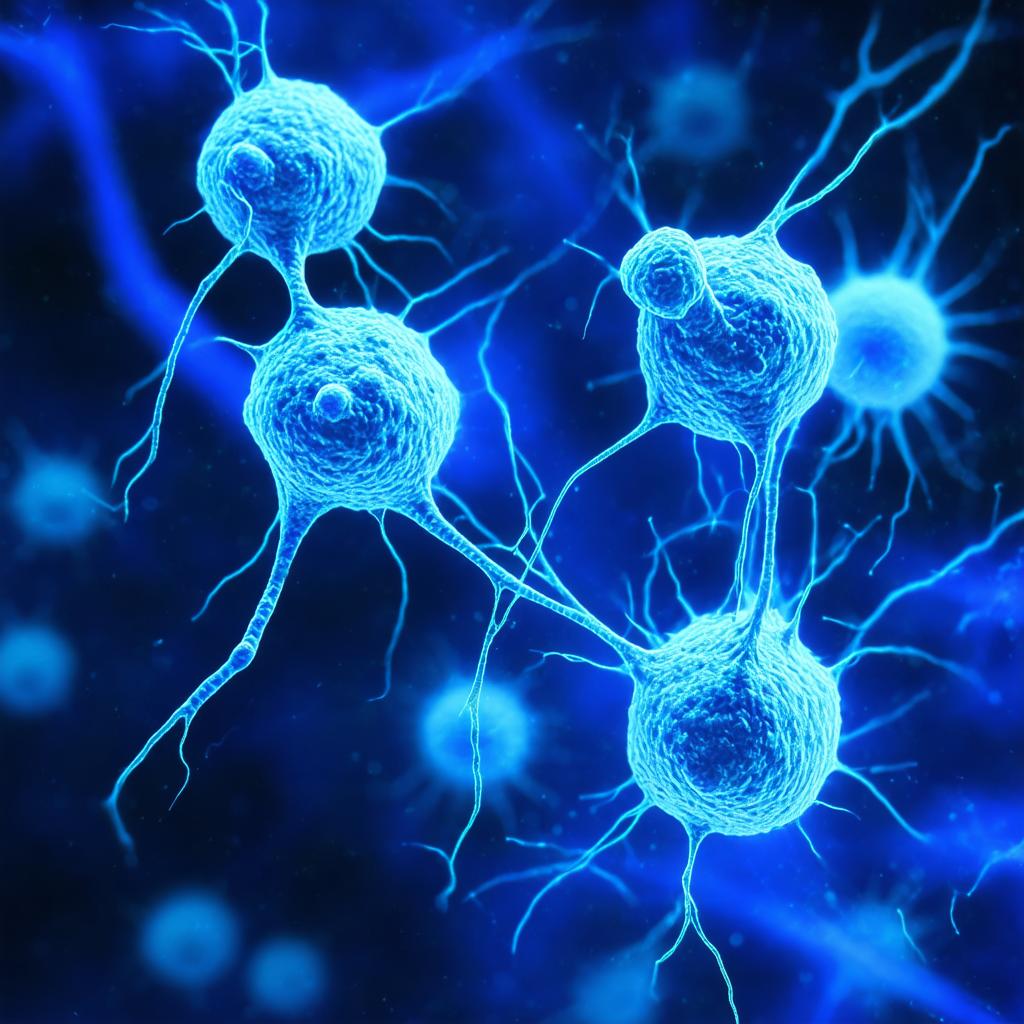
Recognizable by its bluish concentric stripes, this mushroom contains two unique weapons: PSP (Polysaccharide-Peptide) and PSK (Krestin). These molecules activate T lymphocytes and dendritic cells with remarkable precision. Clinical trials demonstrate their adjuvant role in conventional oncology protocols.
A targeted defense stimulator
While reishi acts broadly, coriolus excels in antigen recognition. A Japanese study measured a 40% increase in NK cell activity after only 21 days of supplementation. Its major asset? A rapid action making it the ideal supplement during winter epidemics.
Form and bioavailability
Raw powders lose up to 70% of their efficacy. Only hot concentrated extracts preserve the proteins linked to polysaccharides. The critical dosage is between 3 and 6 g/day of dry matter. Beware of low-quality products: always check the PSP/PSK rate on the certificate of analysis.
Hericium Erinaceus: the neuroprotector
Nicknamed “lion’s mane,” this mushroom produces erinacines that stimulate nerve growth factor (NGF). A rare feature in the plant kingdom. German researchers observed a 28% improvement in cognitive functions in adults aged 50 to 70 after 16 weeks of treatment.
Action on the gut-brain axis
Hericium does not just nourish neurons. It rebalances the gut microbiota thanks to its specific prebiotics. This dual action explains its effectiveness on anxiety disorders linked to intestinal hyperpermeability. Practitioners often combine it with reishi in anti-burnout protocols.
Active forms and synergies
Alcoholic extracts better capture lipophilic erinacines than simple powders. To enhance its effects, some manufacturers combine it with phosphatidylserine. A winning combination: studies show a 47% increased bioavailability with this complex. However, avoid it in case of allergy to edible mushrooms.
Detailed comparison table
| Parameter | Reishi | Coriolus | Hericium |
|---|---|---|---|
| Main active compounds | Triterpenes, polysaccharides | PSK, PSP | Erinacines, hericenones |
| Average onset time | 4-8 weeks | 2-3 weeks | 6-10 weeks |
| Key indication | Stress resistance | Immune stimulation | Cognitive clarity |
| Optimal concentration | 30% polysaccharides | PSK > 20% | 0.5% erinacines |
| Reported side effects | Dry mouth (7% of cases) | None significant | Transient bloating |
How to choose your supplement in 2025
Your health goal determines the choice of mushroom. For reactive immunity, coriolus is essential. Facing chronic stress, reishi shows its superiority. Want to boost your concentration? Turn to hericium. Some hybrid formulas wisely combine these actives: the reishi/hericium combination works particularly well against mental fatigue.
Essential quality criteria
- Geographical traceability: wild hericium strains from Northern Europe contain 40% more erinacines than cultivated versions
- Extraction method: double extractions (water + alcohol) preserve all active principles
- Standardized concentration: demand minimum clinically proven active compound levels
- Absence of contaminants: heavy metal and pesticide analyses must be accessible
FAQ: Your questions about medicinal mushrooms
Can reishi and coriolus be combined?
This combination is common in integrative medicine. Reishi modulates the inflammatory response while coriolus boosts lymphocyte activity. Expect a powerful immunostimulant effect – contraindicated in autoimmune diseases.
Which mushroom helps restore sleep?
Reishi leads thanks to its triterpenes calming the central nervous system. A double-blind study shows a 50% reduction in nighttime awakenings after 6 weeks at 1.8g/day of standardized extract.
Are there drug interactions?
Reishi potentiates anticoagulants. Coriolus may interfere with immunosuppressants. Hericium is not recommended with MAOI antidepressants. Always consult your doctor before starting a course.
Minimum duration for results?
Count 3 weeks for coriolus (immunity), 6 weeks for hericium (cognition), and 8 weeks for reishi (stress). Medicinal mushrooms work deeply – patience pays off.