| 📊 NOVA Classification | System that classifies foods according to their degree of industrial processing |
| 🚨 Ultra-processed | Products containing additives, denatured ingredients, and complex industrial formulations |
| 🔍 Identification | Check the ingredient list: presence of substances unknown in home cooking |
| 🩺 Health impacts | Links established with obesity, diabetes, and cardiovascular diseases |
| 🛒 Strategic reduction | Favor groups 1 to 3 of NOVA and cook from raw foods |
You have probably noticed these colorful packages populating supermarket shelves. Behind their appealing appearance often hides a worrying nutritional reality: ultra-processed foods. The NOVA classification, developed by Brazilian researchers, offers a revolutionary framework to understand this food transformation. Far from being a mere academic concept, this analytical grid becomes a practical tool for anyone wishing to take back control of their plate.
Sommaire
The phenomenon of ultra-processed foods: a silent invasion
The industrialization of our food has introduced products that our grandparents would not recognize as food. These foods undergo such extensive transformations that they lose their original structure and require the addition of additives to regain texture and flavor. The typical example? Those breakfast cereals that crunch in milk thanks to emulsifiers, whereas a simple oatmeal porridge offers a much healthier alternative.
How the food industry blurs the lines
Manufacturers excel at deceptive packaging. A product labeled “source of fiber” or “rich in vitamins” can simultaneously contain five different types of sugars and texturizing agents. The marketing strategy relies on health claims to mask the ultra-processed nature. Take those “fruit-based” energy bars: their ingredient list often reveals protein isolates and sweeteners not found in home kitchens.
The NOVA classification: a decoding tool
Designed in 2009 by Carlos Monteiro and his team at the University of São Paulo, the NOVA classification categorizes foods into four groups according to their degree of processing. Unlike classic nutritional systems that analyze nutrients, NOVA focuses on the industrial processes undergone by the products. This innovative approach sheds light on what lies behind the packaging.
The four groups dissected
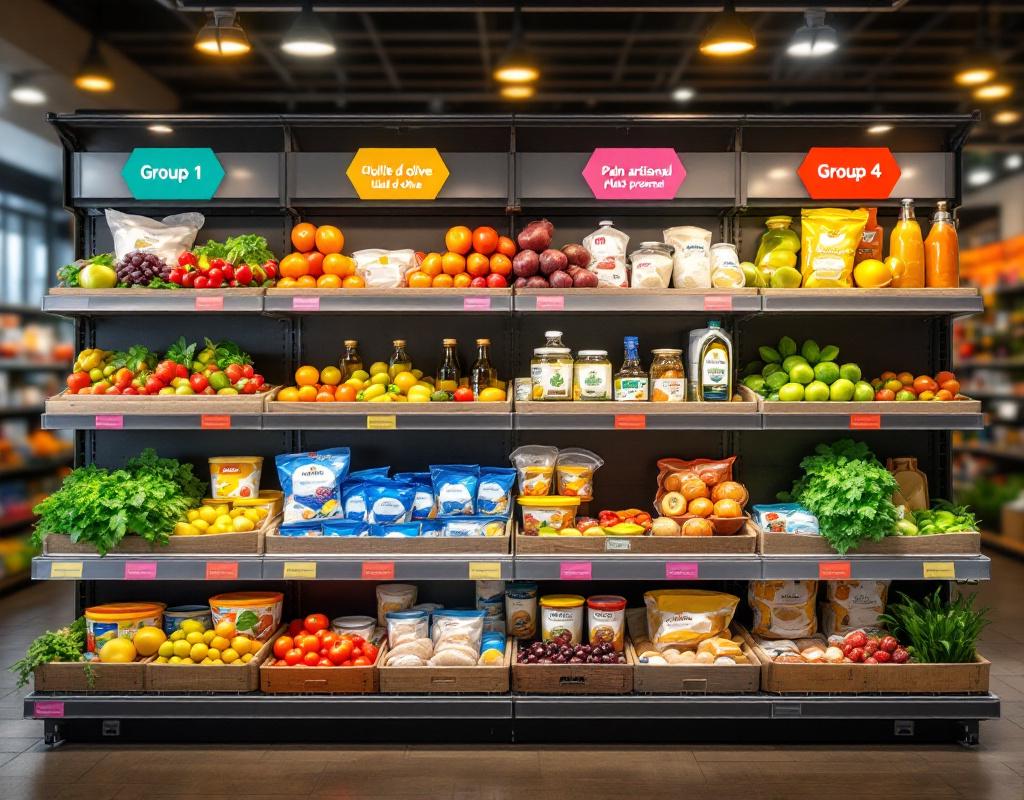
- Group 1 – Unprocessed or minimally processed foods: Fresh fruits, vegetables, eggs, raw milk. Their processing is limited to washing, refrigeration, or pasteurization.
- Group 2 – Processed culinary ingredients: Olive oil, vinegar, salt, honey. These elements are used to cook foods from group 1.
- Group 3 – Processed foods: Canned vegetables, artisanal bread, traditional cheeses. They generally combine elements from groups 1 and 2.
- Group 4 – Ultra-processed products: Sodas, nuggets, prepared meals. They contain cosmetic additives and substances derived from foods (hydrolyzed proteins, maltodextrin).
Concrete strategies to reduce consumption
Reducing ultra-processed foods does not mean embarking on an ascetic diet. Start by analyzing your supermarket cart: if more than a third of the products contain more than five ingredients including chemical names, it’s time to act. An effective method is to devote 80% of your food budget to the store’s periphery – where fruits, vegetables, and fresh products are found.
Smart alternatives
| Ultra-processed product | NOVA group 1-3 alternative |
|---|---|
| Sweetened breakfast cereals | Oat flakes with fresh fruit |
| Industrial tomato sauce | Homemade tomato purée with basil |
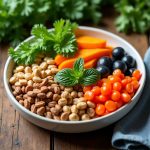
| Protein energy bars | Mix of nuts and dried fruits |
Batch cooking (large volume preparation) becomes your ally. On Sundays, prepare roasted vegetables, whole grains, and simple proteins. These bases will allow you to compose balanced meals during the week in five minutes, thus avoiding the temptation of prepared dishes. And if you occasionally indulge in a frozen pizza? No guilt: the goal is progress, not perfection.
The health impact of ultra-processed foods
The NutriNet-Santé study conducted on 100,000 French people revealed alarming correlations: each 10% increase in the share of ultra-processed foods in the diet raises cancer risk by 12%. The mechanism? These products alter our gut microbiota, trigger chronic inflammation, and disrupt satiety signals. Their high caloric density coupled with low nutritional value creates a phenomenon of “hidden hunger.”
“Ultra-processed foods are not simply modified foods, but industrial formulations designed for overconsumption” – Carlos Monteiro
The trap of “approved” additives
The industry argues that its additives are approved by health authorities. But this ignores the cocktail effect: no one studies the interaction of the fifteen emulsifiers, sweeteners, and flavor enhancers present in a prepared dish. Researchers at INRAE have shown that some emulsifiers like E433 alter the intestinal barrier, promoting the passage of toxins into the blood.
FAQ: NOVA Classification and ultra-processed foods
How to recognize an ultra-processed food?
Check the ingredient list: presence of artificial flavors, colorings, emulsifiers, sweeteners, or hydrolyzed proteins. Another clue: you wouldn’t be able to reproduce it in your kitchen.
Is industrial bread ultra-processed?
Yes, if it contains improvers (E300, E322), emulsifiers, and texture agents. Traditional bread (flour, water, yeast, salt) belongs to group 3.
Can ultra-processed foods be consumed occasionally?
Yes, the goal is to reduce their proportion in the overall diet. Studies show that keeping their consumption below 15% of daily calories minimizes risks.