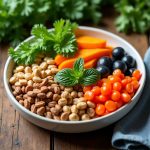
During exam periods, every detail counts. Beyond good sleep hygiene or meticulous organization, diet plays a role often underestimated in optimizing cognitive functions. Certain foods, rich in specific nutrients, act as natural allies to help maintain focus, support memory, and reduce mental fatigue. Discover six superfoods to urgently integrate into a student’s routine, enhanced with practical advice and illustrations to vary the pleasures.
Sommaire
Why Target Superfoods for Concentration?
Each nutrient impacts brain chemistry: fatty acids influence the fluidity of neuronal membranes, antioxidants protect against oxidative stress, and micronutrients regulate synaptic transmission. One might think a simple coffee is enough to “keep going,” but in truth, a balanced and targeted intake offers more lasting stimulation, without the sharp energy spike and crash. Superfoods stand out for their nutritional density, meaning the amount of vitamins, minerals, and bioactive compounds for a reasonable caloric intake. Selected for their documented effects on attention and memory, they ideally complement an already varied diet.
List of 6 Superfoods to Prioritize
1. Chia Seeds: A Cocktail of Omega-3 and Fiber
Originating from Central America, small chia seeds contain an astonishing proportion of alpha-linolenic acid (ALA), a precursor to omega-3s. These fatty acids contribute to synaptic plasticity and the maintenance of neuronal membrane integrity, essential conditions for optimal concentration. The soluble fibers they contain promote a slow release of glucose, avoiding glycemic spikes responsible for post-study drowsiness.
- Add a tablespoon to yogurt or a smoothie.
- Prepare a pudding by rehydrating them in plant-based milk overnight.
- Sprinkle on a salad or a bowl of soup for crunch.
2. Blueberries: The Antioxidant Fruit Par Excellence
Blueberries concentrate anthocyanins, pigments with remarkable antioxidant properties. By limiting the action of free radicals in the brain, they preserve neurons and promote better information flow from one neuron to another. In scientific studies, students regularly consuming blueberries showed a notable improvement in short-term memory.
“Adding a handful of blueberries to my granola transformed my study afternoons: I feel less mental ‘fog’ and my sessions last longer without fatigue” – Emilie, psychology student
3. Walnuts: A Source of Phosphorus and Antioxidants
Highly energetic, walnuts provide polyunsaturated fatty acids, phosphorus, magnesium, and vitamin E. Phosphorus participates in nerve transmission, while vitamin E slows cellular aging in the brain. To avoid excess calories, simply moderate the portion to a daily handful – about 30 grams.
- Incorporate into porridge or a bowl of cut fruits.
- Prepare a homemade spread with dates, walnuts, and a hint of cocoa.
- Consume as a snack, accompanied by fresh fruit for hydration.
4. Avocado: The Good Fat for Better Oxygenation
Avocado, rich in monounsaturated fatty acids, promotes good blood circulation. Better cerebral vascularization improves the supply of oxygen and nutrients essential for optimal functioning of nerve cells. Its high vitamin K content also helps strengthen the blood-brain barrier, ensuring a less inflammation-prone environment.
5. Spinach: B vitamins and iron against mental fatigue
Spinach contains vitamin B9 (folic acid), iron, and magnesium, an essential trio for the synthesis of neurotransmitters such as dopamine and serotonin. Regular intake helps counter mild anemia, common among stressed students, and reduces the feeling of a “heavy head” when study hours accumulate.
- Sautéed in a pan with a drizzle of olive oil and a hint of garlic.
- Added raw, finely chopped, in composed salads.
- Mixed into a green smoothie with apple, kiwi, and a bit of ginger.
6. Fatty fish: salmon, mackerel, and sardines
Fatty fish are among the richest sources of omega-3 fatty acids DHA and EPA, directly usable by the brain. They support the formation of neuronal membranes and reduce inflammatory markers, often linked to cognitive fatigue. Studying them from this angle also avoids turning to supplements, while providing gustatory pleasure.
“I opted for canned sardines in olive oil: it’s economical, easy to slip into a sandwich, and I really feel the difference during my revisions” – Marc, history student
Comparative table of key nutrients
| Superfood | Main nutrient | Benefit for concentration |
|---|---|---|
| Chia seeds | Omega-3, fiber | Blood sugar stabilization |
| Blueberries | Anthocyanins | Antioxidant protection |
| Walnuts | Vitamin E, phosphorus | Nerve transmission |
| Avocado | Monounsaturated fatty acids | Brain oxygenation |
| Spinach | Vit B9, iron | Neurotransmitter synthesis |
| Fatty fish | DHA, EPA | Integrity of neuronal membranes |
Tips for integrating these superfoods daily
A student juggles a busy schedule: quick breakfasts, breaks between classes or late sessions. To simplify, a few easy habits to adopt:
- Prepare batches of chia pudding in advance, customizable according to the season.
- Make a mix of nuts and seeds in small airtight bags for the 10 a.m. break.
- Invest in good quality fresh or frozen vegetables to cook a spinach wok in a few minutes.
- Plan a weekly menu where fatty fish appears twice, for example in a salad or on toast.
- Top your breakfast bowl with a handful of blueberries, fresh or frozen.
FAQ – Frequently asked questions about superfoods and concentration
Can superfoods replace a balanced meal?
No, they complement a varied diet. They provide targeted nutritional density but cannot substitute other food groups (whole grains, diverse vegetables, lean proteins).
When during the day is it best to consume them?
Omega-3s and antioxidants act durably, but to avoid any sleep disruption, it is better to consume fat sources in the morning or early afternoon. Spinach and blueberries can also be enjoyed up to snack time without risk.
Are there any contraindications or common allergies?
Walnuts are a common allergen: those sensitive can turn to hemp or sunflower seeds. In case of anticoagulant treatment, avocado and spinach, rich in vitamin K, warrant prior medical consultation.