| Key points | Details to remember |
|---|---|
| 🍃 Definition | Bark and seeds of the carob tree used in powder or syrup form. |
| 💪 Benefits | Abundant fiber, antioxidant effect, caffeine-free substitute. |
| ⚠️ Contraindications | Allergies, possible interactions, digestive effects in excess. |
| 🧪 Nutrition | Moderate carbohydrates, rich in minerals and fiber. |
| 🍽️ Usage | Powder, syrup, in confectionery or drinks. |
| 🌿 Accessibility | Common ingredient in organic stores and specialty shops. |
Carob stands out for its naturally sweet powder, rich in fiber and minerals, without caffeine. It supports digestion, offers an antioxidant boost, and easily fits into many recipes. However, caution is advised in case of allergy or excessive consumption to avoid digestive discomfort.
Sommaire
What is carob?
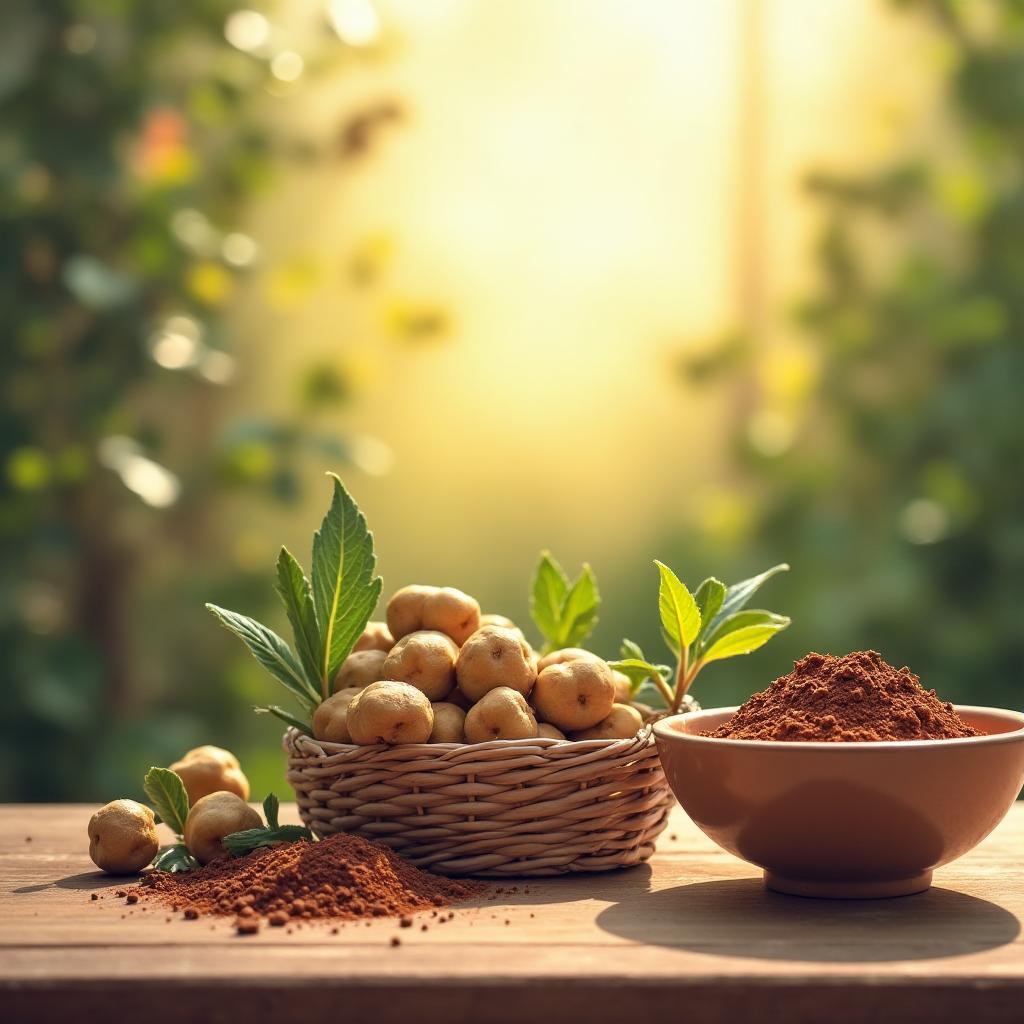
Derived from the pods of the carob tree (Ceratonia siliqua), carob has been processed into powder, syrup, or confectionery since Antiquity. Native to the Mediterranean basin, it serves as a substitute for cocoa and provides a naturally sweet touch without caffeine or theobromine.
Origin and history
A traditional food, carob was used to feed livestock and as an energy reserve during times of scarcity. Today, it is found in Europe and the Middle East, as well as in organic aisles worldwide.
Available forms
- Fine powder, ideal for replacing cocoa.
- Thick syrup, used as a natural sweetener.
- Whole pods, sometimes ground for infusions.
To remember: carob combines tradition and versatility, from powder to syrup to raw pods.
Benefits of carob
Concentrated in fiber, antioxidants, and stimulant-free, carob helps rebalance digestion, supports the cardiovascular system, and soothes sugar cravings.
Beneficial effect on digestion
Carob contains up to 40% soluble fiber, which swells in the stomach and facilitates transit. It limits blood sugar spikes and can relieve diarrhea by regulating intestinal rhythm.
Antioxidant and cardio-protective effect
Rich in polyphenols, carob helps neutralize free radicals and protect cells. Several studies indicate a reduction in oxidative stress and an improvement in lipid profile.
Healthy cocoa substitute
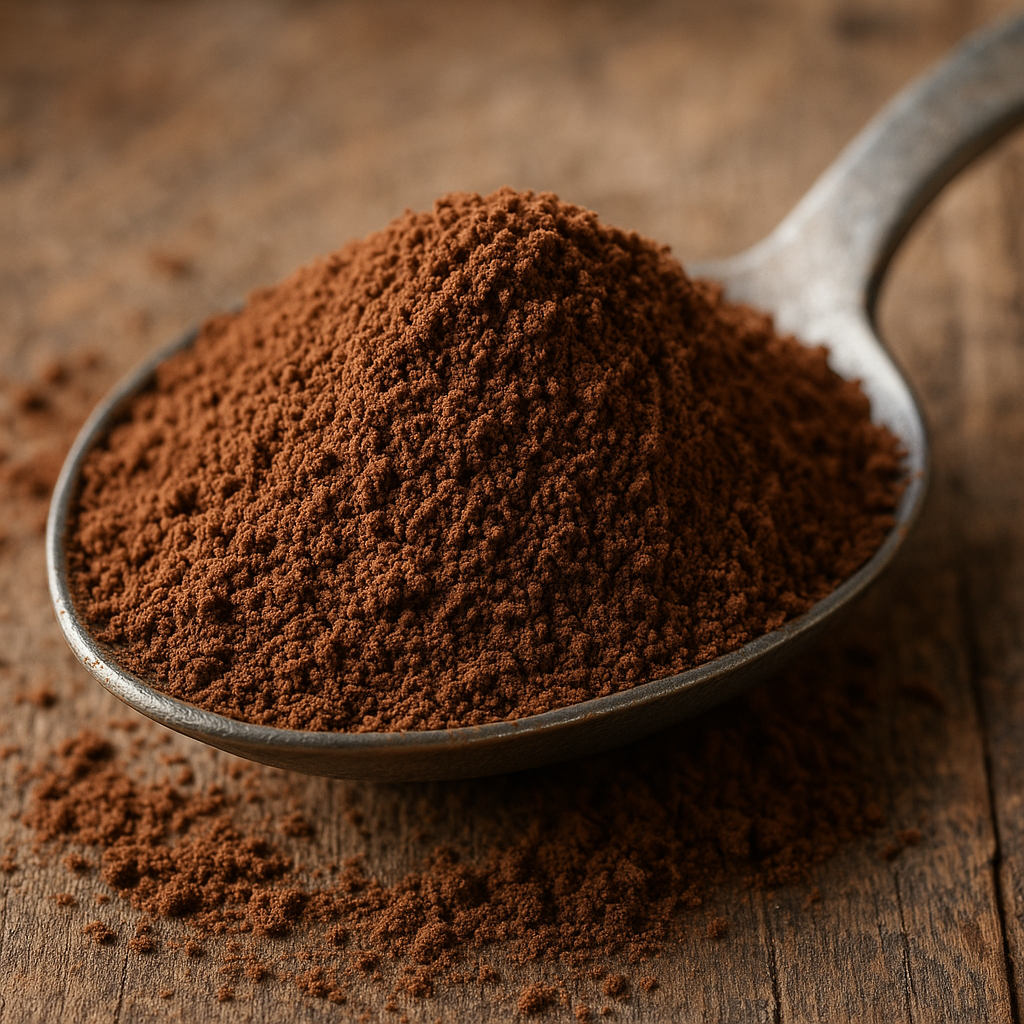
Free of caffeine and theobromine, carob powder offers a gentle alternative for making hot drinks, cakes, or smoothies. Its slightly caramel flavor pairs well with fruits and spices.
To remember: digestive fibers, antioxidants, and a gourmet option without stimulants.
Contraindications and precautions
While carob is generally safe, certain situations require consuming it in moderation or avoiding it altogether.
Allergies and intolerances
Rarely allergenic, carob can nevertheless cause skin reactions or digestive disorders in people sensitive to legumes.
Drug interactions
Its binding power could reduce the absorption of certain medications. It is advised to take it two hours before or after oral treatment.
Risks related to overconsumption
Exceeding the dose (more than 50 g of powder per day) can cause bloating, flatulence, or constipation due to fiber blockage.
To remember: check for any hypersensitivity and space out medication intake.
Detailed nutritional values
In 100 g of carob powder:
| Element | Quantity |
|---|---|
| Energy | 222 kcal |
| Carbohydrates | 48 g |
| Fibers | 40 g |
| Proteins | 4.6 g |
| Lipids | 0.7 g |
| Calcium | 348 mg |
| Iron | 2.9 mg |
To remember: rich profile in fibers and minerals, moderate calories.
Usage and practical advice
Carob lends itself to a thousand and one recipes, sweet or savory.
- Add 1 to 2 tablespoons of powder in smoothies, yogurts, or porridges.
- Replace sugar or honey with a drizzle of carob syrup.
- Incorporate into pastries for a caramel flavor without caffeine.
- Prepare a hot drink by mixing 1 teaspoon of powder with plant-based milk.
To remember: dose gradually, test as a partial substitute for cocoa or sugar.
FAQ
- Does carob make you gain weight?
- No: its richness in fibers regulates appetite and limits snacking, provided it is consumed in moderation.
- Can carob be given to children?
- Yes: it is a gentle alternative to chocolate. However, make sure to introduce it gradually to avoid digestive issues.
- What does carob powder taste like?
- A sweet flavor, close to caramel, without the bitterness of cocoa.
- Where to buy quality carob?
- In organic stores, delicatessens, or online shops specializing in healthy foods.
- Does carob syrup replace sugar in all recipes?
- In most preparations, it provides sweetness and creaminess, but it can alter the texture if used excessively.
- Does carob contain oxalates?
- In small amounts: it remains suitable for oxalate-restricted diets, but it is better to consult a specialist if you are at risk.